

Opinion on the evolution of tourism in Spain, taking the decade 1955–1965 as our starting point.”
José Aleixandre Caballero from Spain:
In this second article, I would like to recall the first professional steps taken at the dawn of tourism, around 1955–1965, with the aim of gradually becoming aware of the evolution of a phenomenon that has come to be one of the most important “industries” in Spain.
This was the decade in which recreational, cultural, and holiday trips began to be organized from different parts of Europe to our cities and coasts, using coaches, trains, charter flights, and private means of transport.
May these memories serve as a small tribute to the pioneering people in hospitality and services who lived devoted body and soul—almost “vocationally”—to an “uncertain and volatile” business. They began the intuitive creation of a “product” that had to satisfy a new “demand for services,” capable of inspiring human beings, conceived through a vocation of service, dedication, and sacrifice, in order to offer tourist services—“invented and adapted” to different nationalities according to their origin and the supposed preferences of the client.
We sold dreams… Intangible products promoted through brochures, postcards, etc., which, seen from today’s perspective, were not only pioneering within this industry as hoteliers, agents, promoters, and producers of a “good” based on accommodation, service, and food, but were offered with such dedication and commitment that for a long period they made up for the lack of existing professionalism.
They succeeded in creating the foundations for stabilizing the business with such vitality that today it has expanded and become established almost worldwide. They were self-taught individuals who, through their concepts of hospitality and dedication to service, created a “school” without any previous textbooks. They knew how to create their own system of promotion—today known as marketing, sales, and public relations. They knew how to do it and how to treat those visitors who, coming from other “lands,” contributed through their stays—converted into foreign currency—to the development of their resorts and to the growth of a business known as “tourism.”
The great lesson we learned from them was total adaptation to a new business born by and for human beings, created and shaped to provide well-being upon receiving individuals or organized groups—those “wonderful foreign beings” who brought us joy and wealth when we welcomed them. We often struggled to understand them in their own languages… we had to make ourselves understood… with gestures and smiles… many times with “half languages,” but above all with affectionate gestures showing they were welcome! Making them feel like valued guests through our hospitality, so they could feel like part of “a family” upon arrival… the broad and sincere welcoming smile… the “guidance until their accommodation,” and from that moment on, the full availability of the hotel staff at their service—staff composed and led, in the vast majority of establishments, by the owners and their families.
They were provided, with warm attention, all the information they required. They were greeted at every encounter by their first names, and if misfortune struck and they fell ill, they were served and cared for in their rooms; the doctor was called, prescriptions were checked, and someone would go to the pharmacy to collect their medicines.
“Clients” who, throughout their stay, often established family ties and friendships—“clients” who, on departure day, embraced and cried together with the hotel staff.
They were real clients… because those travelers gave true meaning to the word “client.” Their loyalty was such that they returned year after year to stay at the same hotel and resort. They knew what they wanted; they knew the “product.” Prices were always very favorable to the consumer due to the strength of their currencies and the competitive pricing offered. In that early context, these were reasons why there were hardly any complaints, and even fewer made in “bad faith”… at most, perhaps an occasional “mischievous” report of a fictitious theft—maybe a camera—filed with the police in order to obtain a certificate and claim travel insurance back in their home country.
“Requests,” more than complaints, were made personally by the client and resolved immediately “on site,” because whoever received the suggestion acted at once. No one ignored or dismissed them, because “everyone”—from service staff to managers, owners, or those in charge—faced and solved the problem, almost always immediately and satisfactorily.
Years of human experiences, of enrichment through lived moments, of learning and evolution toward an “industry” that was about to “explode” in the years to come.
Spain’s main inland cities also saw a much more gradual increase in visitors, as the usual flow of mainly commercial travelers was reinforced by the presence of organized cultural tourism, in the form of “coach circuits.” These were mostly international clients arriving at a meeting point in Spain to embark on frequent 7- or 14-day routes to visit our historic and cultural cities, assisted by qualified guides.
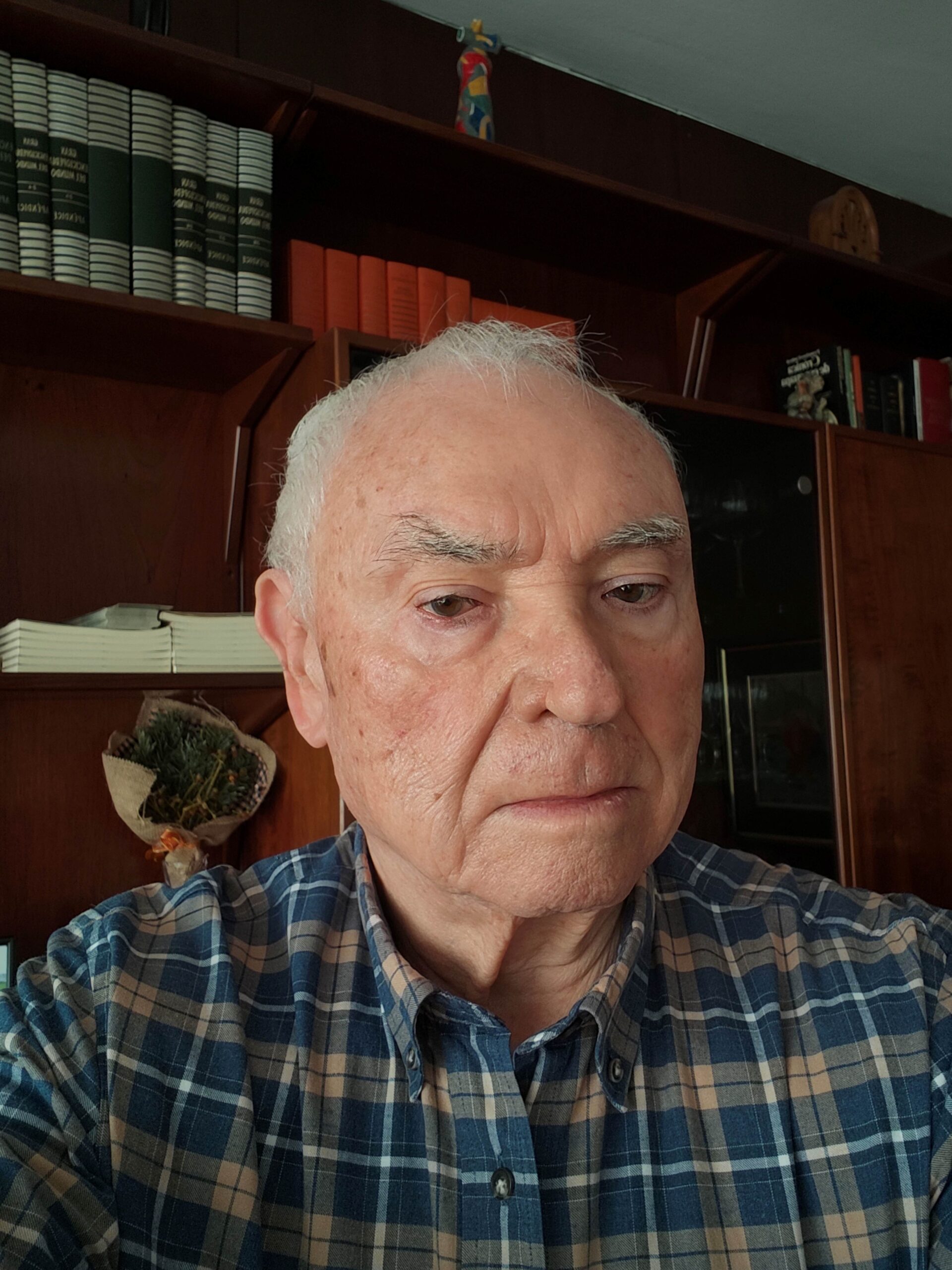
José Aleixandre Caballero
Technical Director of tourism companies and activities