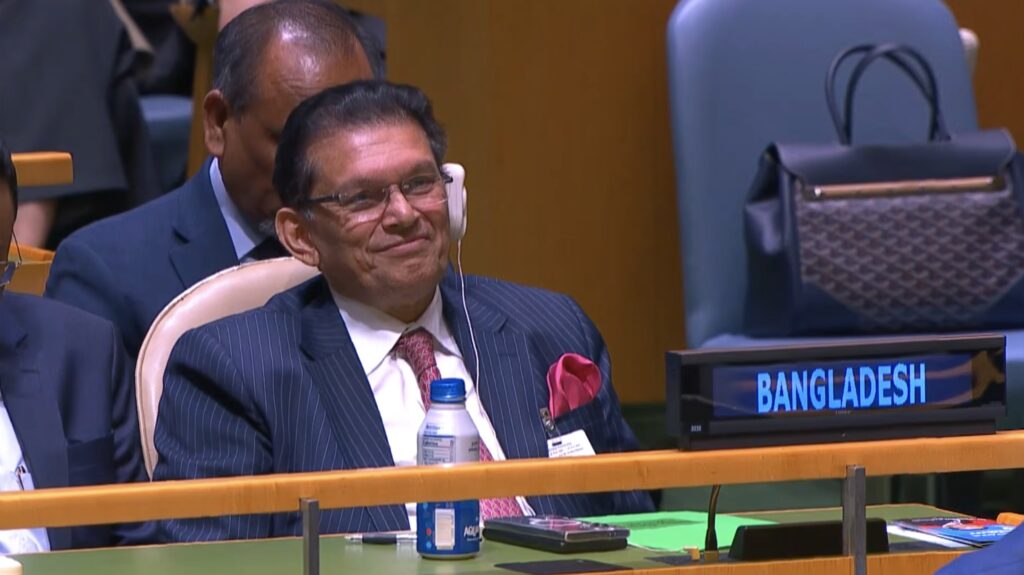
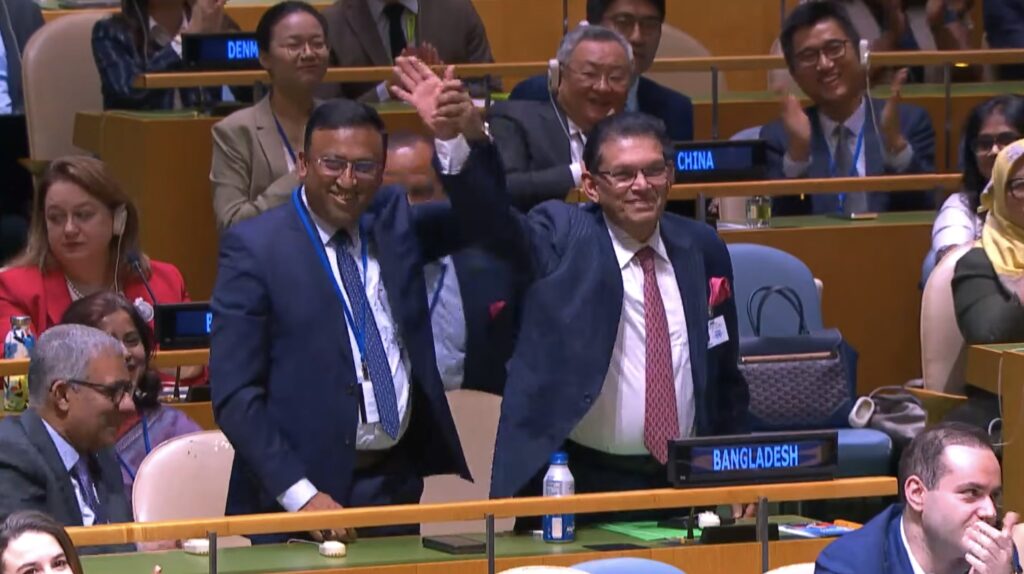
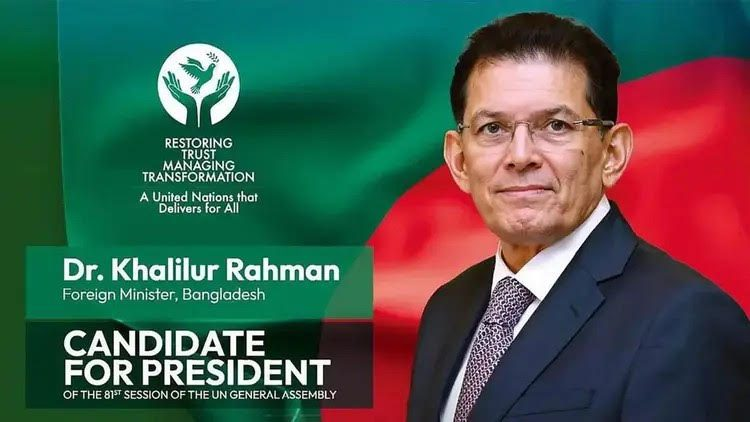
Bangladeshi Foreign Minister Khalilur Rahman was elected President of the UN General Assembly’s 81st session on Tuesday after defeating Andreas Kakouris of Cyprus in a closely contested vote, positioning himself to steer the world body through a pivotal year marked by intensifying global crises, UN reform efforts and major leadership transitions.
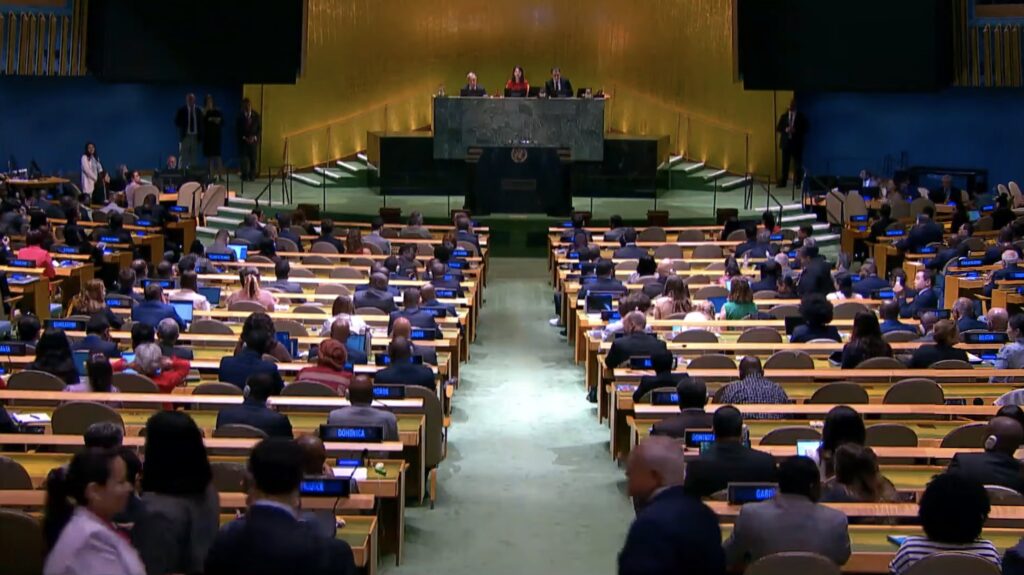
In a secret-ballot election, Mr. Rahman secured 99 votes to Mr. Kakouris’s 91. A total of 190 ballots were cast, with no invalid votes or abstentions.
The presidency rotates among the UN’s five regional groups, and the 81st session falls to the Asia-Pacific group. Mr. Rahman will serve a one-year term starting on 8 September.
His presidency will coincide with one of the most consequential processes on the UN calendar: the selection of Secretary-General António Guterres’s successor, whose term ends on 31 December 2026.
Mr. Rahman brings more than four decades of diplomatic and multilateral experience to the role. Bangladesh’s Foreign Minister since February, he previously served as National Security Adviser and High Representative on the Rohingya Issue.
A career diplomat, he joined Bangladesh’s foreign service in 1979. He also held senior UN positions in New York and Geneva.
‘With humility and respect’
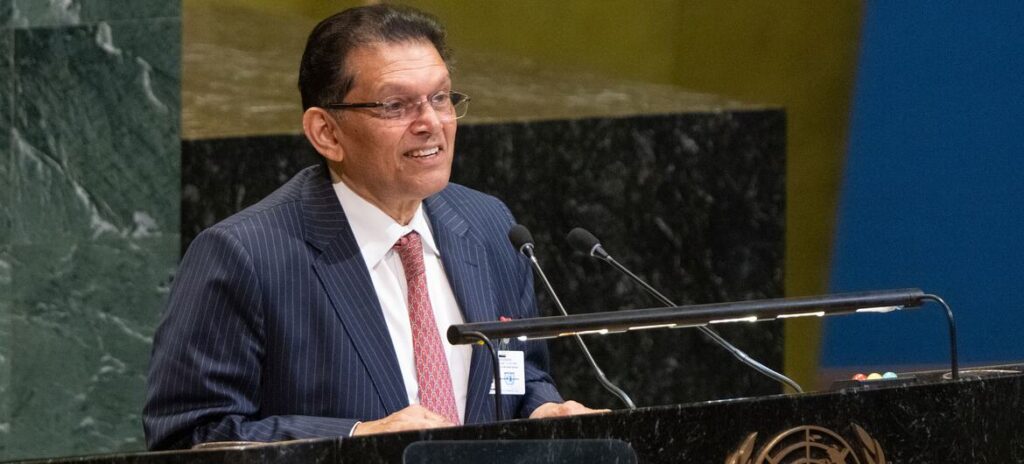
Accepting the position, Mr. Rahman said he was taking on the role “with humility and respect” at a moment when confidence in the international system was under strain.
“The UN will commence its ninth decade at a time when trust in our organization is being tested on multiple fronts,” he told Member States.
“Taken together, these challenges tend to undermine the public trust and confidence in the ability of our organization to deliver its promises.”
A world under pressure
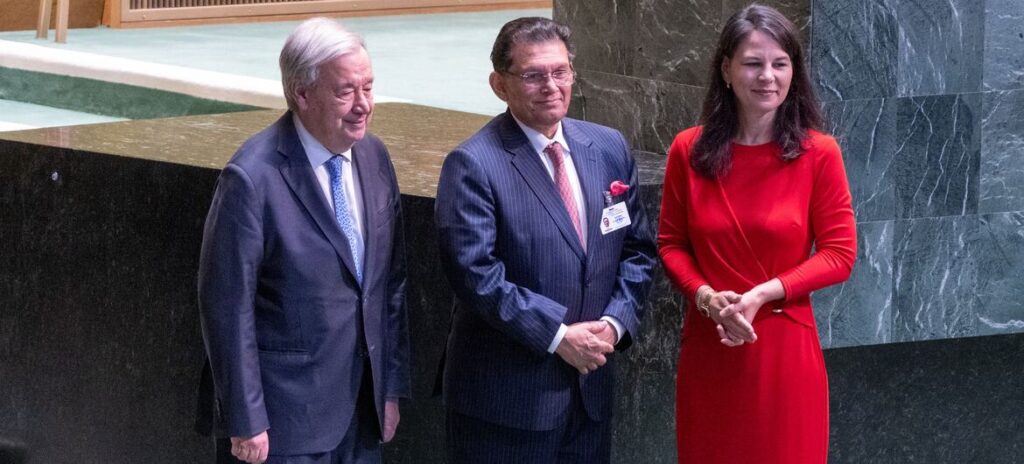
The election comes amid what the current General Assembly President Annalena Baerbock described as an exceptionally difficult period for multilateral diplomacy.
Addressing Member States after the vote, Ms. Baerbock said the UN was facing “not only headwinds, but immense pressure,” with consensus increasingly difficult to achieve and defence of the UN Charter becoming “a daily necessity.”
“The role of the president of the General Assembly is no longer simply procedural,” she said
Challenges ahead
She warned that the international environment was unlikely to become easier during the coming year, as the Assembly continues work on implementing the Pact for the Future, advancing reform efforts through the UN80 initiative and navigating broader geopolitical divisions.
Secretary-General António Guterres echoed those concerns, describing a world confronting “conflicts, divisions, rising inequality and climate chaos.”
He also pointed to slowing progress on the Sustainable Development Goals (SDGs), declining funding for humanitarian action and development, and international institutions that remain “stuck in the world as it was in 1945, not the world of today.”
Six priorities for the 81st session
Mr. Rahman said his presidency would focus on six broad priorities: peace and security; accelerating progress on the SDGs; climate action and environmental protection; human rights; governance of emerging technologies, including artificial intelligence, and UN reform.
Drawing on Bangladesh’s experience in peacekeeping, he pledged to support preventive diplomacy, peacebuilding and civilian protection.
He also highlighted the need to address development financing gaps, advance implementation of the Global Digital Compact and strengthen the UN’s effectiveness at a time of growing pressure on multilateral institutions.
‘Restoring trust’
Mr. Rahman’s overarching theme for the session is “Restoring Trust, Managing Transformation: A United Nations that Delivers for All.”
Secretary-General Guterres described the theme as “an inspiring call to action for the multilateral system” and said it reflected a commitment to strengthening global cooperation.
The President-elect said he intends to act as a bridge-builder, promising to engage all Member States and seek common ground despite growing divisions.
“As your president, I will dedicate myself to rebuilding trust, nurturing consensus, and opening space for good faith negotiations that will lead to outcomes for all that are owned by all,” he said.
He also pledged to uphold the UN Charter, maintain geographical and gender balance within his office and support the needs of smaller delegations.
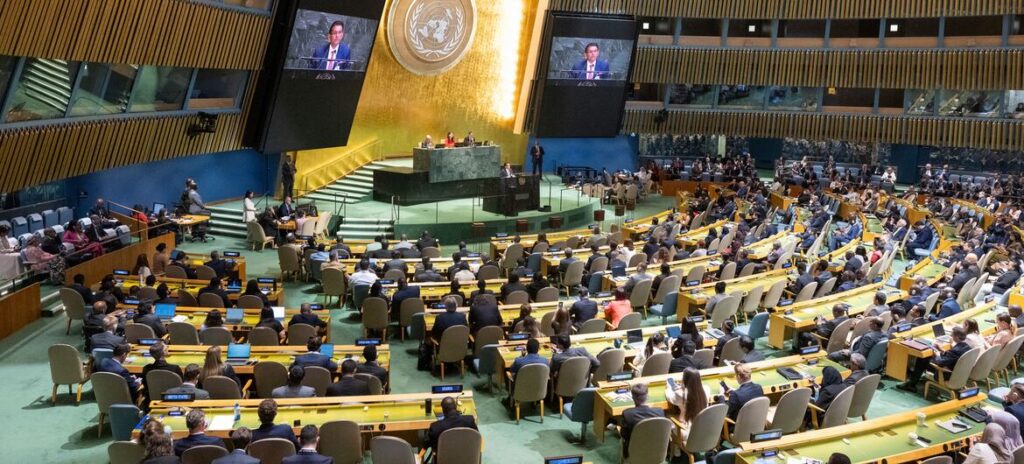
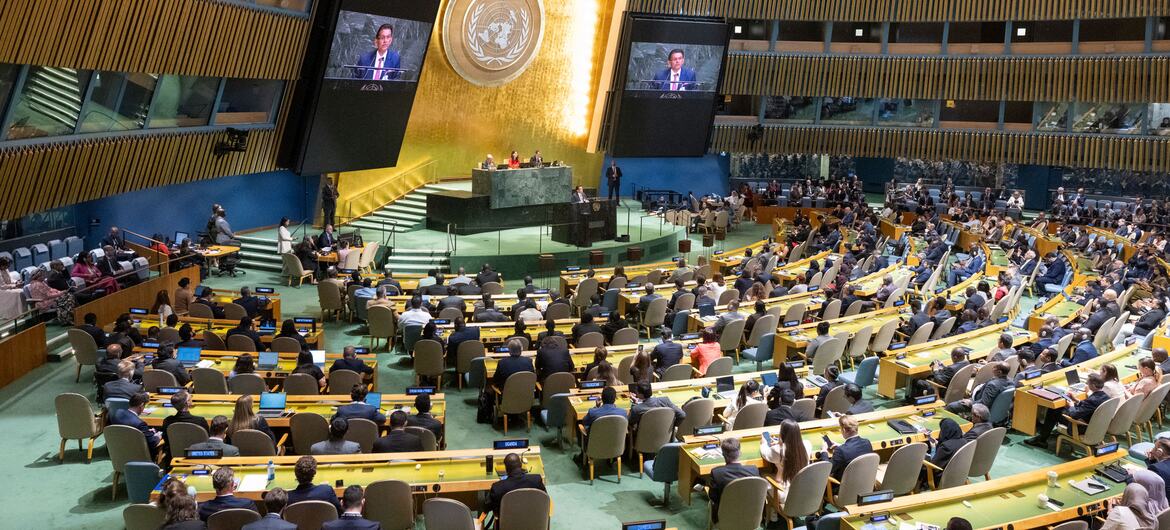
UN Photo/Eskinder Debebe A wide view of the General Assembly Hall as Khalilur Rahman (on screen), newly-elected President of the eighty-first session of the General Assembly addresses the 85th plenary meeting of General Assembly.
The world parliament
The General Assembly is the UN’s most representative body, bringing together all 193 Member States, each with one vote.
While its resolutions are generally not legally binding, the Assembly serves as the principal forum for international deliberation on peace and security, development, human rights and international law.
The 81st session will open on 8 September, with world leaders gathering two weeks later for the annual high-level debate at UN Headquarters, in New York.












Very good news !!! Congratulations