
European destinations endorse Reykjavík declaration to put communities at the heart of Europe’s tourism future
European destinations endorse Reykjavík declaration to put communities at the heart of Europe’s tourism future
National Tourism Organisations of Europe adopt the Reykjavík Declaration at the European Travel Commission’s 110th General Meeting in Iceland.- The Declaration calls for a people-centred, purpose-driven approach to tourism that strengthens communities, culture, and nature.
- New insights show strong resident pride in tourism across Europe, with eight in ten Europeans happy to welcome visitors.
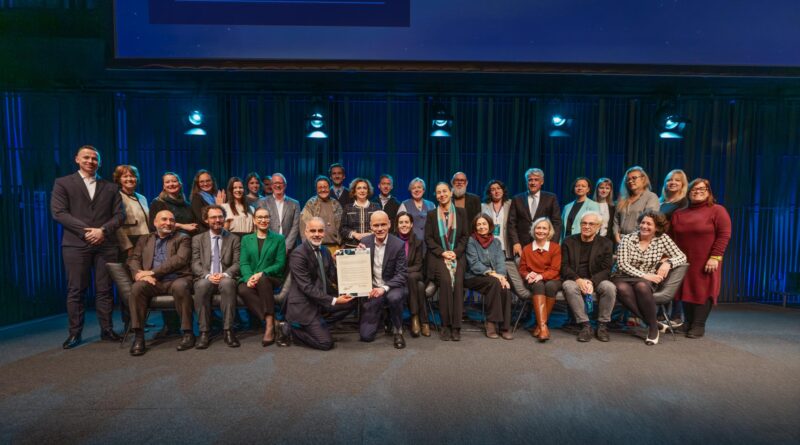
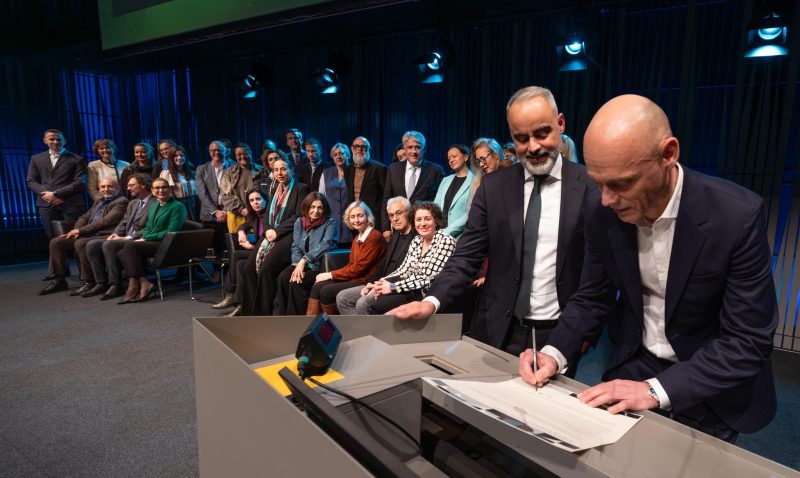
The European Travel Commission (ETC) has today presented the Reykjavík Declaration “Tourism for Europe, Europe for Tourism”, a joint commitment by its 35 member national tourism organisations to place communities and residents at the heart of Europe’s tourism future. Signed during ETC’s 110th General Meeting in Iceland, the declaration outlines a shared vision for tourism that enriches local life, regenerates destinations, and safeguards Europe’s cultural and natural heritage.
The meeting, hosted by the Icelandic Tourist Board under the theme “Tourism and Communities: Building Bridges Amid Unbalanced Growth,” gathered Europe’s destination leaders, tourism experts and industry partners to explore how European destinations can balance tourism development with residents’ wellbeing.
Tourism with purpose: a shared vision for Europe
The Reykjavík Declaration “Tourism for Europe, Europe for Tourism” sets a clear direction for the future of tourism in Europe, built around six guiding principles:
- Tourism as a shared benefit: Tourism should create broad value for society, combining economic vitality with cultural vibrancy, social inclusion and environmental regeneration.
- Communities at the centre: Residents’ wellbeing, identity and aspirations must guide tourism development, recognising their role as the custodians of Europe’s destinations.
- Innovation and digital transformation: Data, technology and digital skills are essential to strengthening resilience, sustainability and competitiveness across the sector.
- Respect for culture and heritage: Europe’s cultural and natural heritage must be safeguarded and celebrated, supporting continuity, creativity and living traditions.
- Strengthening nature and society: Tourism should actively enhance ecosystems and support fair and meaningful livelihoods across the tourism value chain.
- Tourism as a force for peace and understanding: Travel should foster empathy, solidarity and cooperation, reinforcing the values that underpin Europe.
With the signature of the Reykjavík Declaration, ETC members commit to work towards destinations where visitors are welcomed as guests, where communities feel enriched, and where the beauty and diversity of Europe are safeguarded for the generations to come.
Communities at the centre
New insights shared by TCI Research / MMGY Global during the meeting show strong resident support for tourism across Europe. Eight in ten residents want their place to be promoted to attract visitors, feel proud to see travellers in their region and are happy to share tips with visitors they meet. These findings highlight the importance of ensuring that tourism development remains balanced, inclusive and grounded in local wellbeing.
Commenting on this, Eduardo Santander, CEO/ Executive Director of the European Travel Commission, noted:
Tourism is, above all, about people – those who travel and those who welcome visitors into their communities. In recent years, this relationship has been tested, as residents in some destinations question whether tourism truly benefits them. Our role as European destinations is to rebalance this, ensuring tourism is developed with communities, not done to them. Managed thoughtfully, tourism remains one of the most powerful forces for prosperity, cohesion and understanding in Europe. The Reykjavík Declaration aims to build bridges amid unbalanced growth and give communities a stronger voice in shaping their future.
With the Reykjavík Declaration, ETC members reaffirm their shared goal to foster tourism that supports and enhances the communities and destinations that make Europe unique.
Arnar Már Ólafsson, Director General of the Icelandic Tourist Board, added:
Signing this declaration here in Reykjavík carries deep meaning for us. Iceland has learned that tourism thrives when communities are respected, heard and actively involved in shaping their future. The Reykjavík Declaration reinforces this principle for all of Europe. By committing to people-centred, purpose-driven tourism, we are not only safeguarding our natural and cultural heritage – we are strengthening the bridges between residents and visitors. This is how we ensure tourism remains a force for vitality, belonging and shared prosperity.
Tourism for Europe, Europe for Tourism
Reykjavík Declaration
Preamble
Tourism in Europe is a powerful force that touches the lives of communities, the vitality of our cultural and natural
heritage, and strengthens societal cohesion. We, the Members of the European Travel Commission, reaffirm that
tourism should never be an end in itself, but a means to the enrichment, regeneration, and revival of our
destinations for current and future generations. Through this statement, we promote a vision of tourism focused
on people, places, and purpose, with the primary aim of enhancing the well-being of residents across Europe. Our
commitment is to support thriving communities, protect Europe’s cultural and natural resources, and promote
respectful interactions between visitors and hosts.
Guiding Principles
- Tourism as a Shared Benefit
We commit to ensuring that tourism generates broad value for local societies. Economic vitality must be
accompanied by cultural vibrancy, social inclusion, and environmental regeneration. Tourism should
strengthen communities and contribute to their wellbeing. - Communities at the Centre
We recognise residents as the custodians of Europe’s destinations. Their wellbeing, voices, and aspirations are
at the heart of all tourism development. Tourism is most meaningful when it enhances daily life, reinforces
local identity, and builds resilience for the future. - Innovation and Digital Transformation
We recognise innovation and digital transformation as key enablers of resilience, sustainability, and
competitiveness in European tourism. We commit to supporting digital upskilling, data-driven decision
making, and smart destination management. By fostering cooperation among national and international
tourism organisations, we aim to accelerate modernisation and ensure that all actors — especially SMEs —
benefit from technological progress. - Respect for Culture and Heritage
Europe’s diverse heritage is both fragile and priceless. We commit to promoting tourism that safeguards and
celebrates cultural and architectural treasures, supports creative expression, and nurtures living traditions.
Tourism should be a vehicle for cultural continuity and renewal. - Strengthening Nature and Society
We commit to actively enhancing ecosystems and supporting the health of natural environments. Tourism
should be a positive force that helps revitalise and improve the places it touches. This also includes
supporting sustainable livelihoods, creating meaningful career paths, and promoting fair opportunities
throughout the tourism value chain. - Tourism as a Force for Peace and Understanding
Travel in Europe is a bridge between cultures, encouraging empathy, dialogue, and cooperation. Tourism
reaffirms the values of freedom, equality, solidarity, and respect that underpin both our continent and the
ETC’s mission.
A Shared Future
This declaration serves as a compass for our actions. It is a collective promise to reimagine tourism as a a practice
striving for a regenerative purpose that gives back more than it takes. Together, we will work towards
destinations where visitors are welcomed as guests, where communities feel enriched, and where the beauty and
diversity of Europe are safeguarded for the generations to come.
Signatories
Austrian National Tourist Office
Visit Flanders
Wallonie Belgique Tourisme
The Ministry of Tourism of the Republic of Bulgaria
Croatian National Tourist Board (CNTB)
Republic of Cyprus, Deputy Ministry of Tourism
CzechTourism
VisitDenmark
Estonian Tourist Board – Estonian Business and Innovation Agency
Business Finland Oy, Visit Finland
Atout France
German National Tourist Board (GNTB)
Greek National Tourism Organization (GNTO)
Visit Hungary
Icelandic Tourist Board
Tourism Ireland Ltd.
Fáilte Ireland
ENIT – Agenzia Nazionale del Turismo
Investment and Development Agency of Latvia (LIAA)
Lithuania Travel
Ministry of the Economy and Innovation of the Republic of Lithuania
Luxembourg For Tourism (LFT)
Malta Tourism Authority (MTA)
Monaco Government Tourist and Convention Office
National Tourism Organisation of Montenegro
Netherlands Board of Tourism & Conventions (NBTC)
Innovation Norway
Polish Tourism Organisation (PTO)
Turismo de Portugal
Romanian Ministry of Economy, Digitalization, Entrepreneurship and Tourism
San Marino State Office for Tourism
National Tourism Organization of Serbia (NTOS)
Slovakia Travel
Slovenian Tourist Board (STB)
Turespaña – Instituto de Turismo
Switzerland Tourism
State Agency for Tourism Development of Ukraine (SATD)