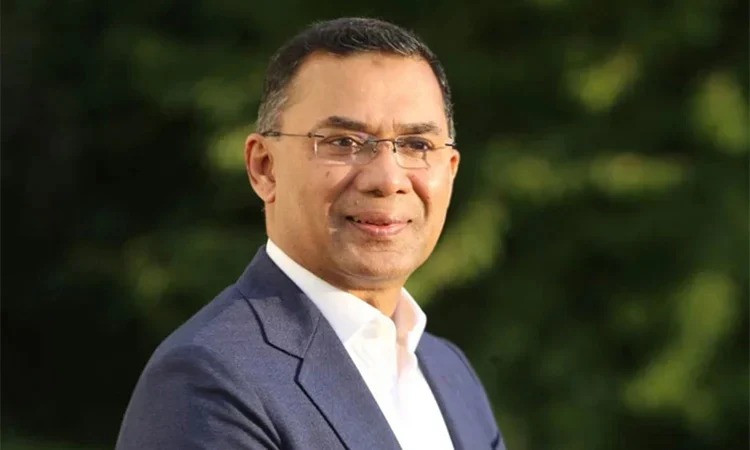
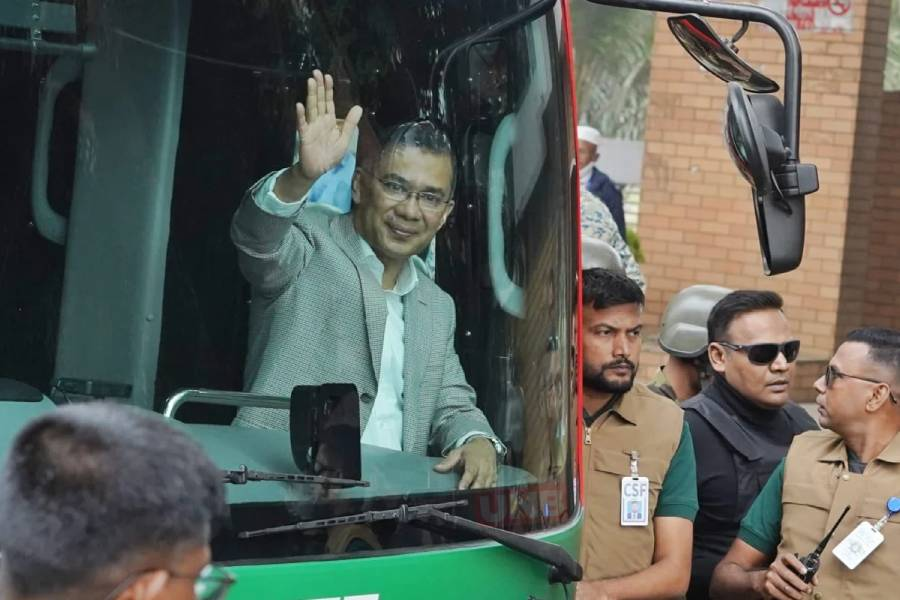
Tarique Rahman has emerged as the Prime Minister-designate of Bangladesh following a landslide victory by his party, the Bangladesh Nationalist Party (BNP).
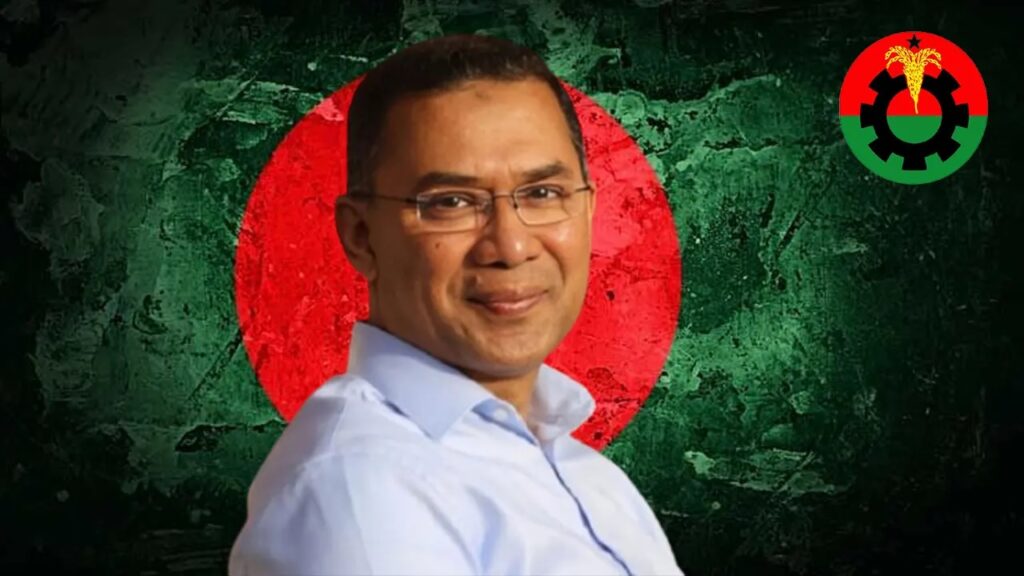
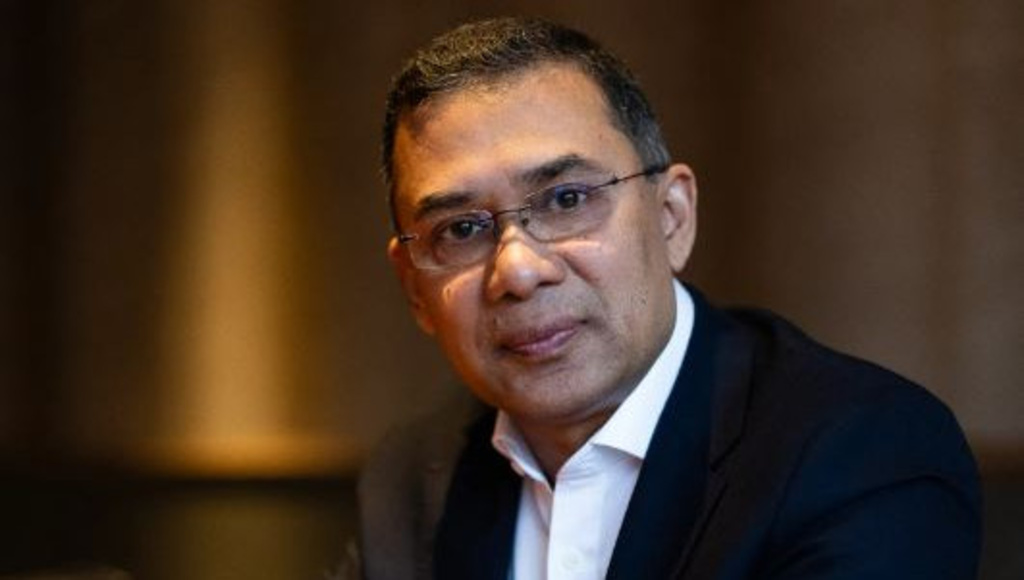
- Victory: Tarique Rahman won both parliamentary seats he contested: Bogra-6 and Dhaka-17.
- Party Performance: The BNP-led alliance crossed the simple majority threshold

- constituencies as of the latest unofficial counts.
- Context: This was the first election since the 2024 ouster of Sheikh Hasina and was held under the interim administration of Muhammad Yunus.
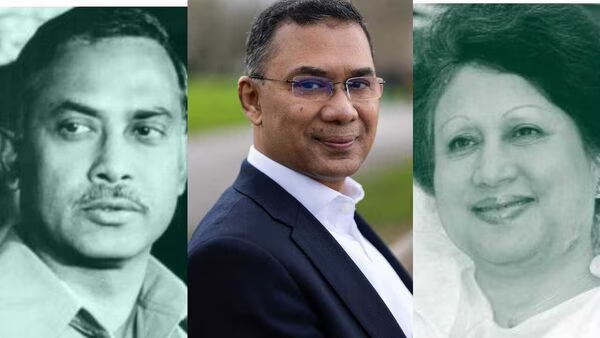
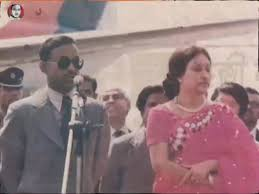
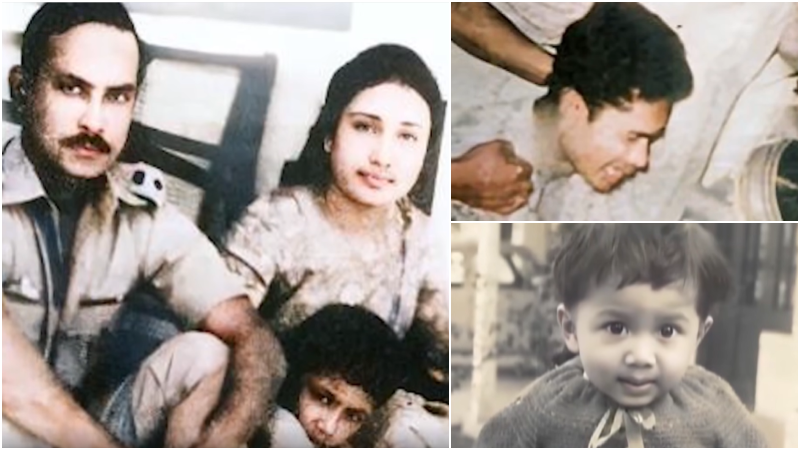
- Political Dynasty: Born November 20, 1965, he is the eldest son of Ziaur Rahman (BNP founder and former President) and Khaleda Zia (three-time Prime Minister).
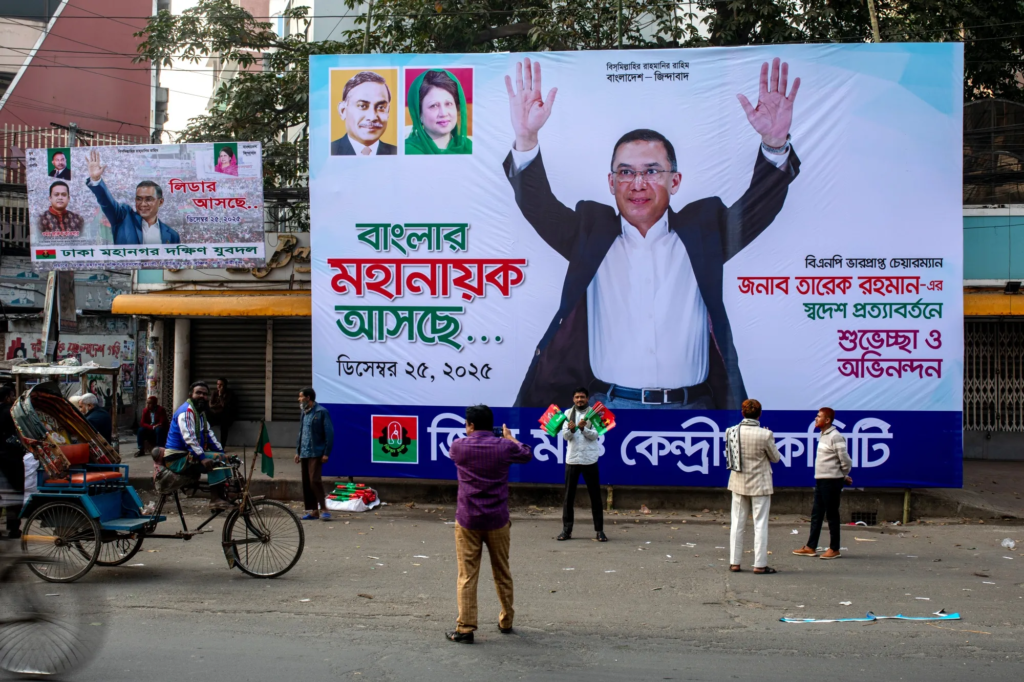
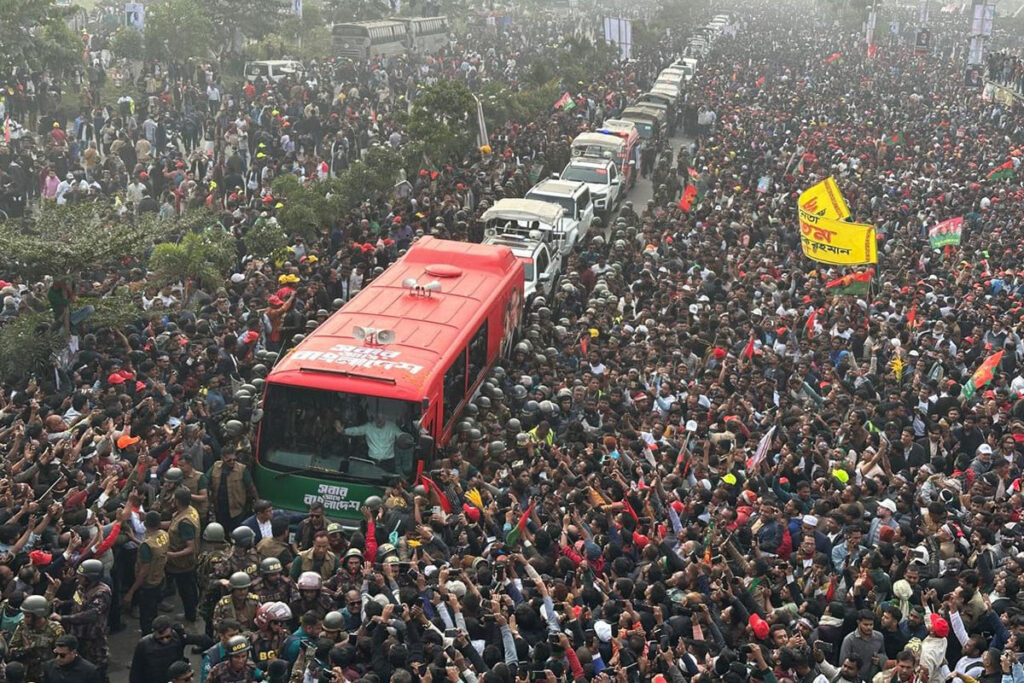
- Exile and Return: He lived in London for 17 years (2008–2025) following a military-backed crackdown. He returned to Bangladesh on December 25, 2025, after being acquitted of numerous charges, including a life sentence related to a 2004 grenade attack.
- Education: He attended BAF Shaheen College and Dhaka University, though he left his studies early to enter business and politics.
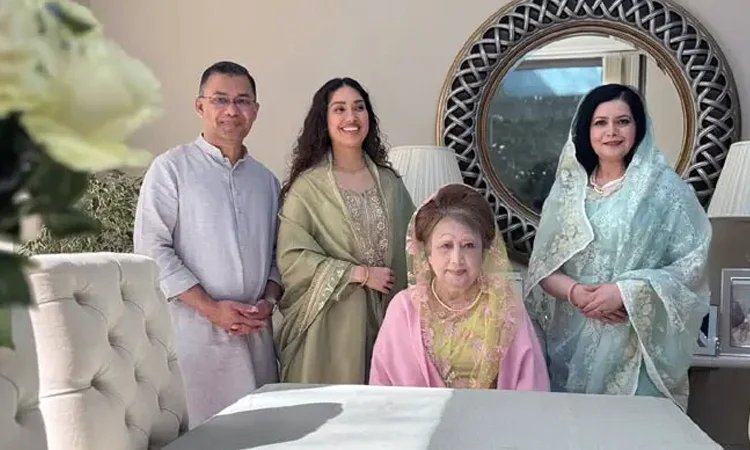
- Spouse: Married to Dr. Zubaida Rahman, a cardiologist and daughter of former Navy Chief Rear Admiral Mahbub Ali Khan.
- Daughter: Zaima Rahman, a barrister who actively campaigned for her father during the 2026 election.
- Governance Reform: Introducing a two-term limit for the Prime Minister to prevent autocracy and establishing a bicameral parliament.
- “Bangladesh First” Doctrine: Emphasising national sovereignty with the slogan “Not Dilli, not Pindi, Bangladesh before everything”.
- Economic and Social Welfare: Proposing unemployment allowances, a British-model healthcare system, and diversifying exports beyond garments to include leather and toys.
- Environmental Vision: A “National Green Recovery Plan” aiming to plant 250–300 million trees over five years and restoring 12,000 miles of canals.
- Tarique Rahman’s parents were the primary architects of the Bangladesh Nationalist Party (BNP) and dominant figures in the nation’s political history.
- Father: Ziaur Rahman
- Role: A highly decorated military officer and the 7th President of Bangladesh (1977–1981).
- Legacy: He is revered by supporters as a “war hero” who proclaimed Bangladesh’s independence in 1971 and founded the BNP in 1978.
- Policies: He introduced “Bangladeshi Nationalism” and shifted the country toward a multi-party democracy and a more open, capitalist economy.
- Death: He was assassinated on May 30, 1981, during an attempted military coup in Chittagong.
- Mother: Khaleda Zia
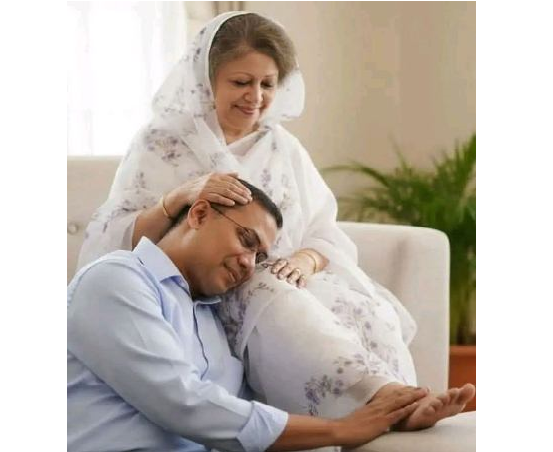
- Role: The first female Prime Minister of Bangladesh, serving three terms (1991–1996, 1996, and 2001–2006).
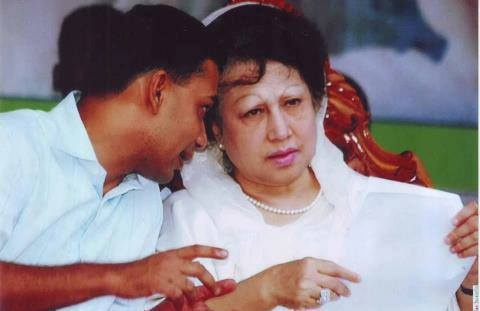
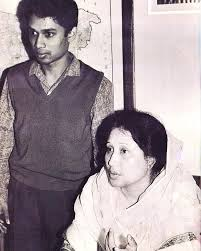
- Transition to Politics: Originally a “shy housewife,” she entered politics in 1982 after her husband’s death to lead the BNP and became an “uncompromising leader” against military rule.
- Political Career: Her tenure saw significant reforms in female education and economic growth, but was also marked by a fierce, decades-long rivalry with Sheikh Hasina.
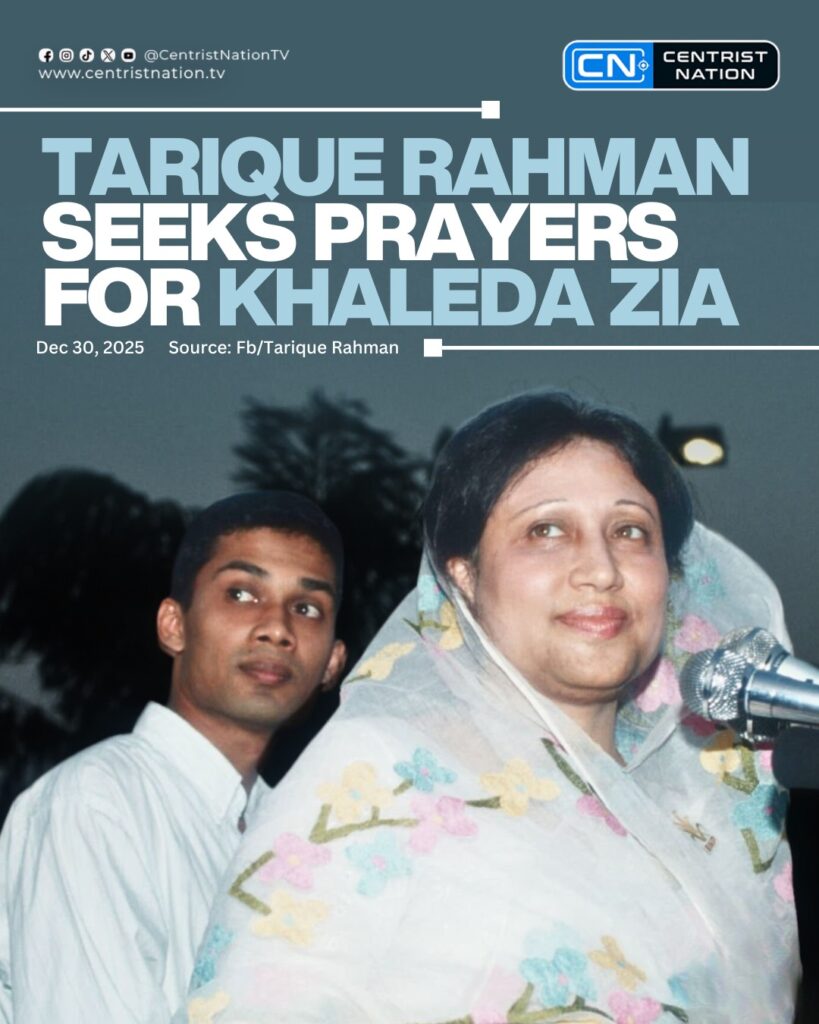
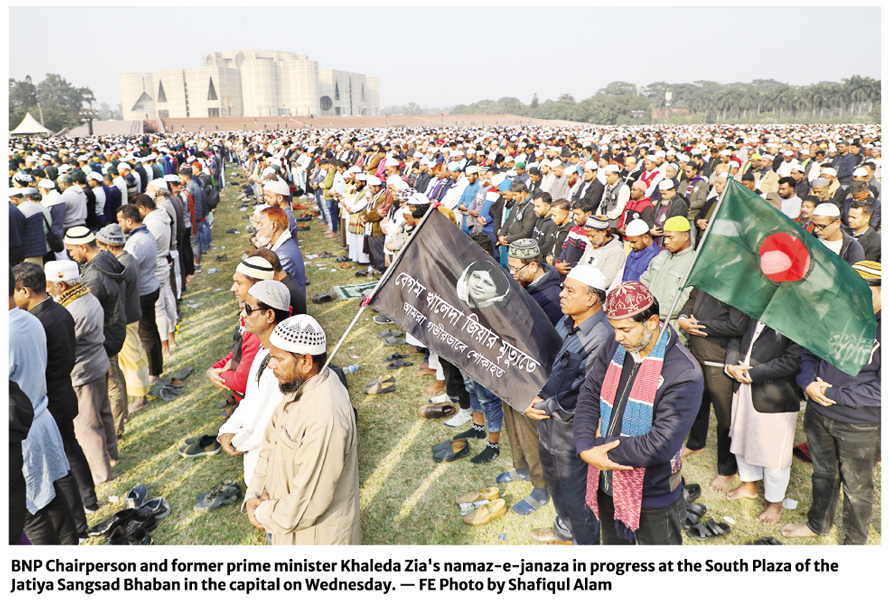
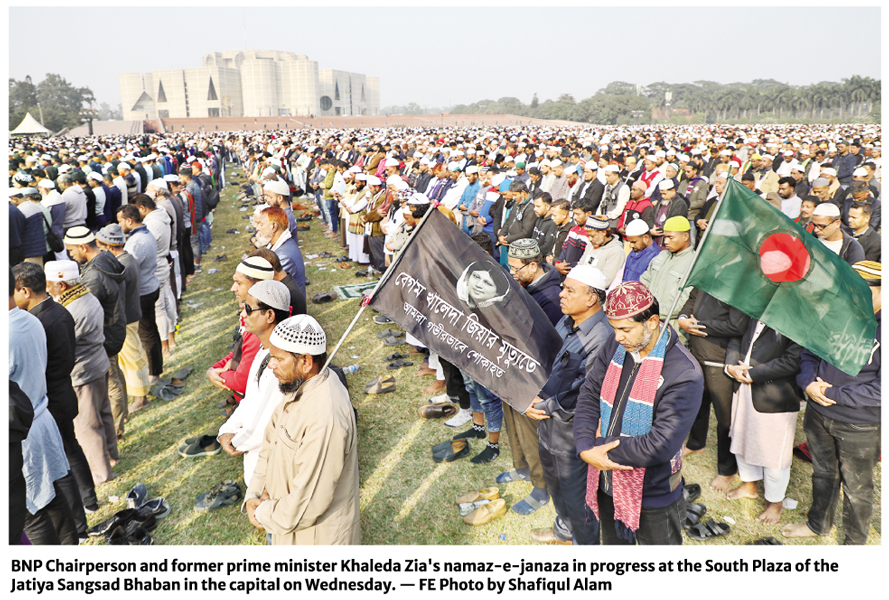
- Later Years: After years of legal battles, imprisonment, and declining health, she was released from house arrest in 2024 and died on December 30, 2025, just days after Tarique Rahman’s return from exile.
A
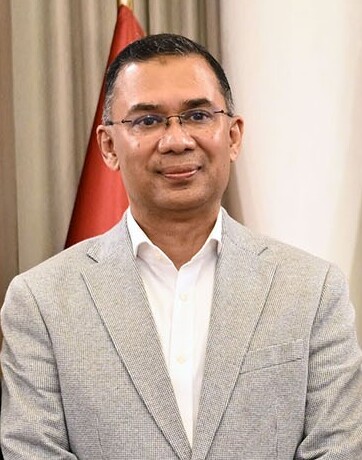
s of February 12, 2026, the Bangladesh Nationalist Party (BNP) is positioned to lead the first elected government since the 2024 uprising, with Tarique Rahman poised to become Prime Minister.
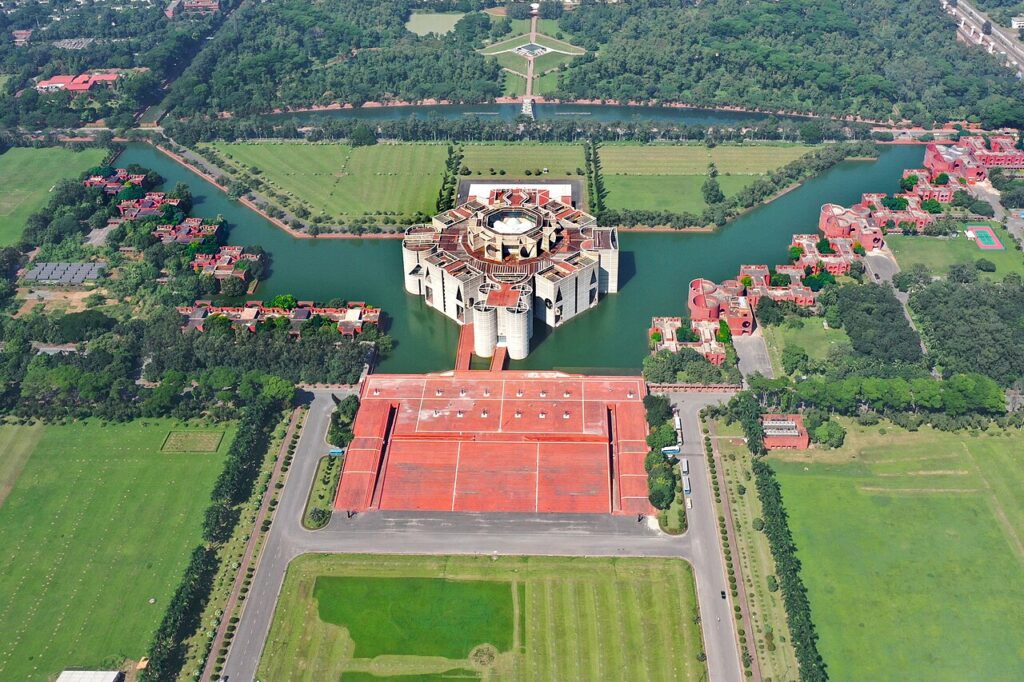
Current State of the BNP (Election Night 2026)
- Electoral Victory: Unofficial results show the BNP-led alliance has crossed the 151-seat majority threshold in the 300-member Jatiya Sangsad.
- Tarique Rahman’s Performance: Rahman secured landslide victories in both constituencies he contested: Bogra-6 and Dhaka-17.
- Leadership Transition: Following the death of his mother, Khaleda Zia, on December 30, 2025, Rahman formally assumed the role of BNP Chairman in January 2026.
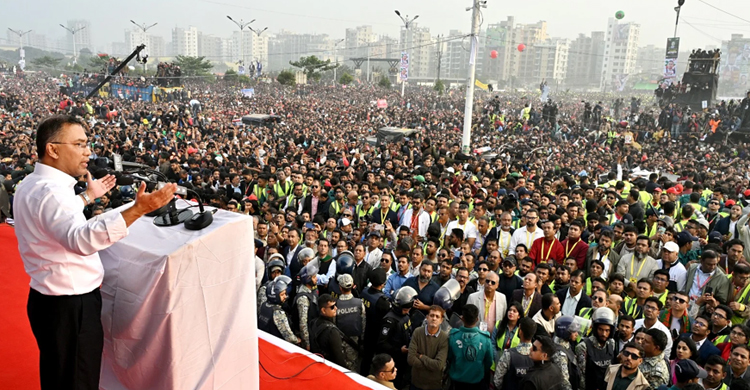
- New Political Posture: Rahman has shifted from his previous “Dark Prince” reputation toward a more conciliatory, understated style, urging supporters to avoid victory rallies and focus on national “reconciliation”.
- Opposition Landscape: The main rival, a Jamaat-e-Islami-led 11-party alliance, has largely conceded defeat, with Jamaat chief Shafiqur Rahman stating they will perform “positive politics” in the opposition.
Tarique Rahman’s 31-Point Reform Proposal
The BNP’s governing framework, the “31-Point Outline for Structural Reforms,” aims to dismantle what they describe as “autocratic infrastructure”. Key proposals include:
1. Constitutional & Governance Reform
- Term Limits: A two-term (10-year) limit for the office of Prime Minister to prevent future authoritarianism.
- Bicameral Parliament: Establishment of an “Upper House of the Legislature” consisting of experts, academics, and eminent citizens.
- Caretaker Government: Reinstating a non-partisan Caretaker Government System to oversee future elections.
- Independence of Institutions: Establishing commissions to ensure the independence of the judiciary, media, and administrative services.
2. Economic & Social Welfare
- Family Card: Monthly cash assistance of 2,500 Taka (or essential food commodities) for low-income families.
- Unemployment Allowance: Financial support for educated but unemployed youth for up to one year.
- Healthcare: A universal healthcare system modeled after the UK’s National Health Service (NHS).
- Diversification: Reducing reliance on the garment sector by promoting leather, toys, and IT exports.
3. Rights & Reconciliation
- Rainbow Nation: Establishing a “National Reconciliation Commission” to move past “vengeance politics” and protect religious and ethnic minorities.
- Freedom of Speech: Repealing “draconian laws” like the Digital Security Act and ensuring total freedom of the press.
- Anti-Corruption: A “zero-tolerance” policy on graft, including a white paper to investigate money laundering and corruption from the previous decade.
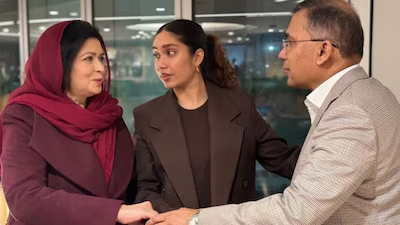
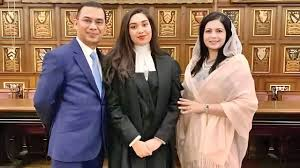
Tarique Rahman and his wife, Dr. Zubaida Rahman, have one daughter.

Zaima Rahman
- Profile: Born on October 26, 1995, she is the only child of Tarique Rahman.
- Education: A UK-trained Barrister-at-Law. She earned her law degree from Queen Mary University of London and received her certification from Lincoln’s Inn in 2019.
- Exile: She lived in London for 17 years (2008–2025) alongside her parents before returning to Bangladesh on December 25, 2025.
- 2026 Election Role: During the February 2026 campaign, she became a prominent public figure by:
- Actively campaigning for her father in the Dhaka-17 constituency.
- Representing her father at international and local events, including a National Prayer Breakfast delegation in Washington, D.C..
- Engaging with youth voters to discuss education and employment.
While she has not officially taken a party post, many political analysts view her as the potential “third generation” leader of the Zia dynasty, bringing a younger, professional image to the BNP.
As the daughter of the Prime Minister-designate, Zaima Rahman has transitioned from a legal professional in London to a central figure in Bangladesh’s new political landscape.
Professional Background
Zaima Rahman is a highly qualified legal professional, which the BNP has highlighted to project an image of “modern, merit-based leadership.”
- Legal Education: She graduated with an LLB from Queen Mary University of London and completed her Bar Professional Training Course (BPTC).
- Barrister-at-Law: She was called to the Bar at The Honourable Society of Lincoln’s Inn in 2019.
- Specialization: Before returning to Bangladesh, she practiced in London, focusing on human rights law and international arbitration. This background was used strategically during the 2026 campaign to emphasize the BNP’s commitment to “restoring the rule of law.”
Her Role in the New Government
While Zaima Rahman has not yet been appointed to a formal cabinet position, her role is expected to be influential both within the party and the administration:
- Policy Advisor (Special Assistant): There is strong speculation that she will serve as a Special Assistant to the Prime Minister with a focus on Legal Reform and International Affairs. This would allow her to use her UK legal training to help draft the “31-point reform” legislation without holding a traditional Ministry.
- Youth Outreach: She is currently the “face” of the BNP’s youth wing, tasked with modernizing the party’s image and engaging the Gen-Z voters who were pivotal in the 2024 uprising.
- Diplomatic Liaison: Due to her 17 years in London and her professional network, she is expected to act as a key bridge between the new government and Western diplomatic circles, particularly the UK and the US.
- The “Clean Image”: Unlike past family members who faced corruption allegations, Zaima enters the scene with a “clean slate.” The BNP leadership is using her presence to signal a departure from the “old style” of politics.
Note: During her victory speech on behalf of her father in Dhaka-17, she stated: “I am here as a professional to help rebuild the institutions that were destroyed, not just to hold a title.”
Political Future
Many analysts believe she is being groomed for a future leadership role, potentially as a Member of Parliament via a by-election or a reserved seat, to ensure the “Zia legacy” continues in a technocratic, professional capacity.
In the February 12, 2026 general election, the Bangladesh Nationalist Party (BNP) secured a decisive victory, crossing the majority threshold to form the next government.
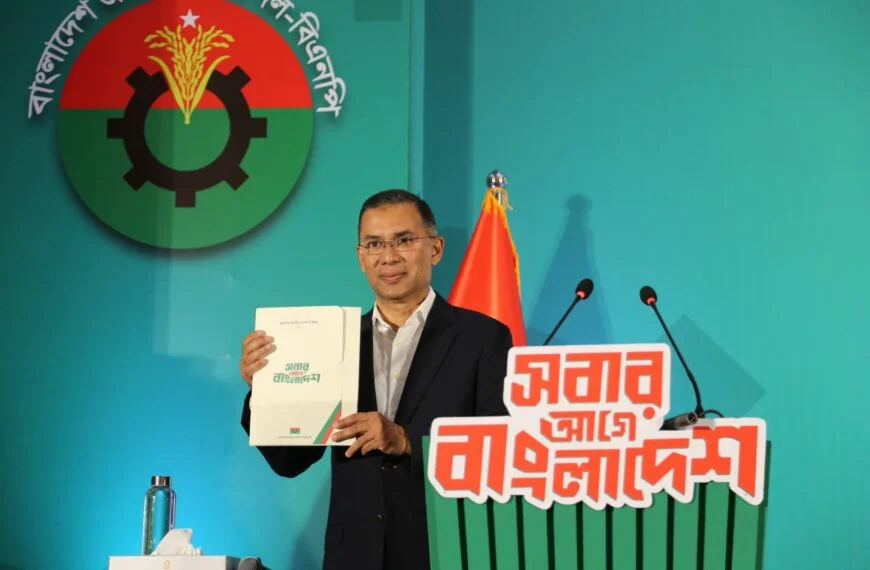
Election Seat Tally (Unofficial Results)
As of early February 13, 2026, the unofficial seat distribution in the 300-member parliament is as follows:
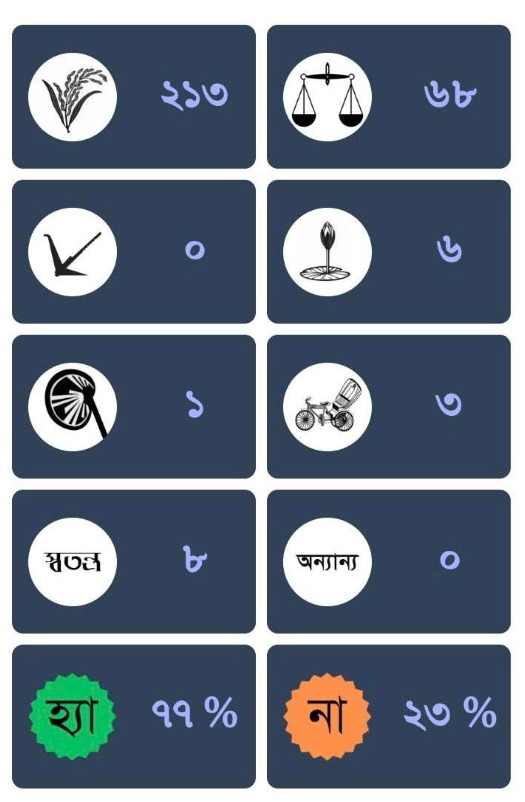
Key Election Facts
- Total Constituencies: Voting was held in 299 out of 300 seats; one seat was postponed due to the death of a candidate.
- Voter Turnout: Approximately 60.7%, a significant increase from the 41.8% recorded in 2024.
- July Charter Referendum: Held concurrently with the election, preliminary counts show 72.9% approval for the constitutional reform document.
- Tarique Rahman: The Prime Minister-designate won both seats he contested: Bogra-6 and Dhaka-17.
M.Z.I. Dalton Zahir | from TT Desk