Celebrating International Mother Language Day: Advancing multilingual education and linguistic diversity
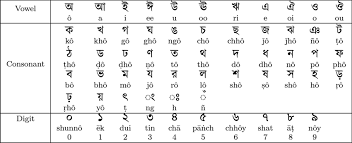
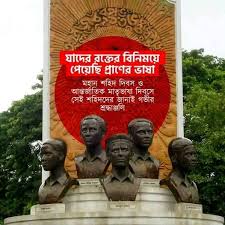
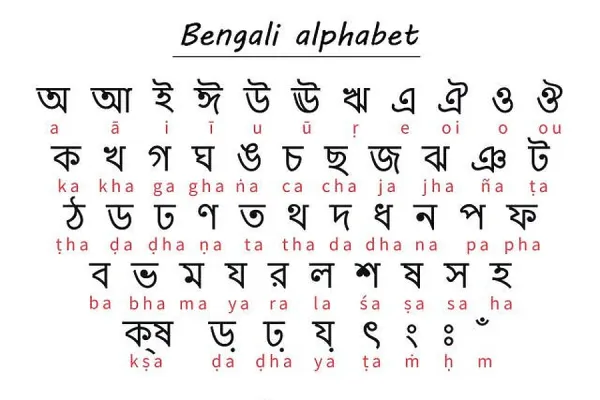
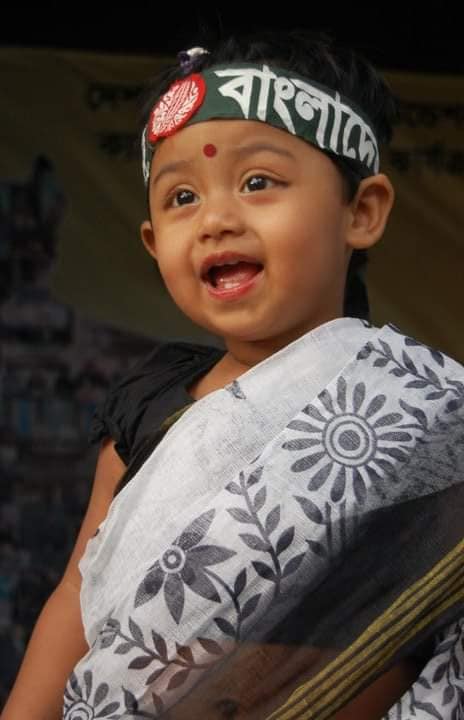
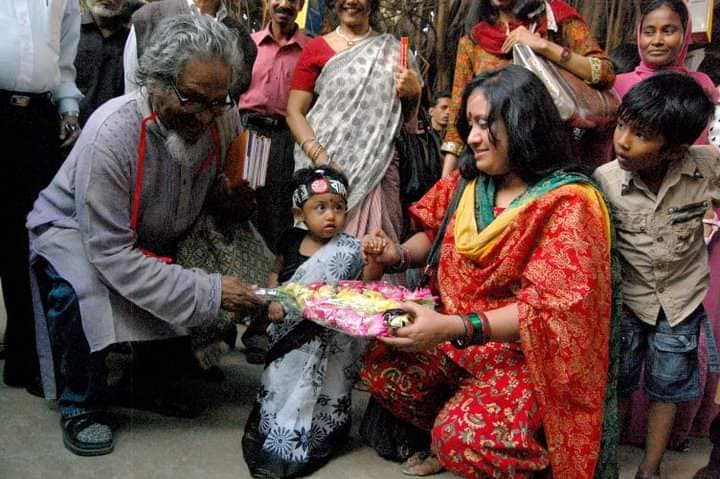
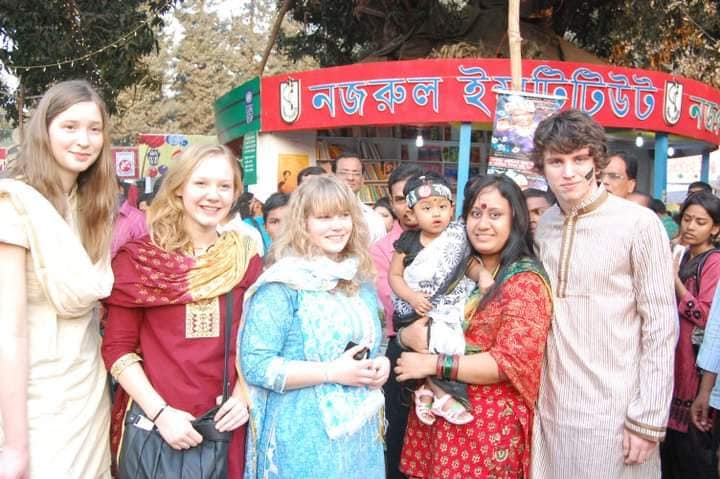
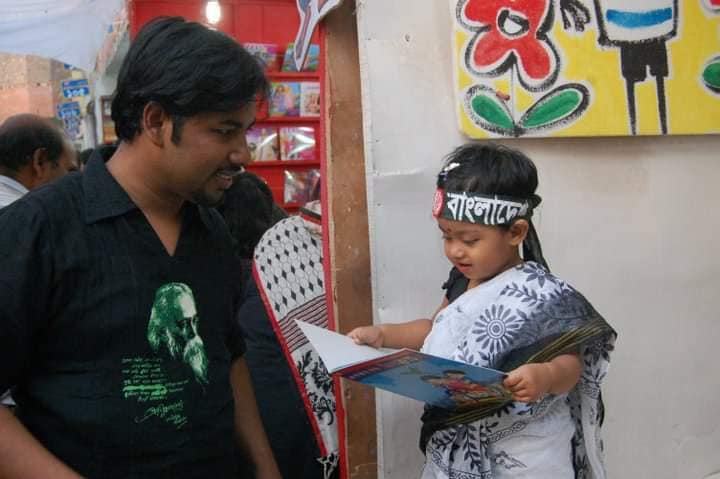
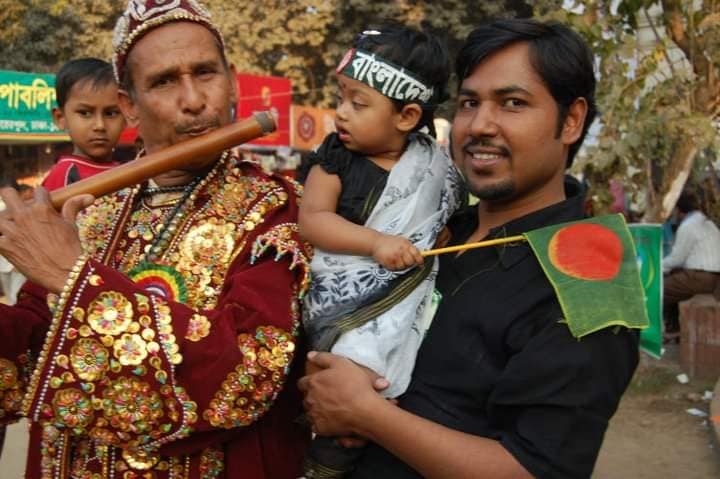
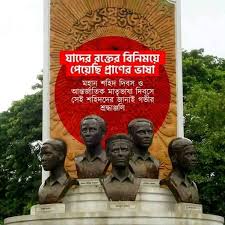
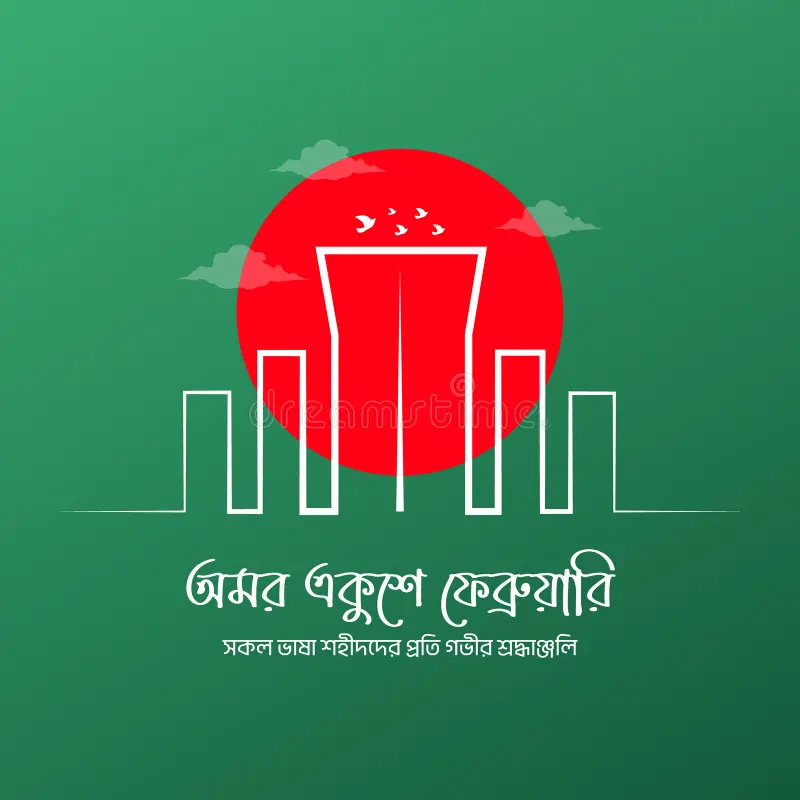
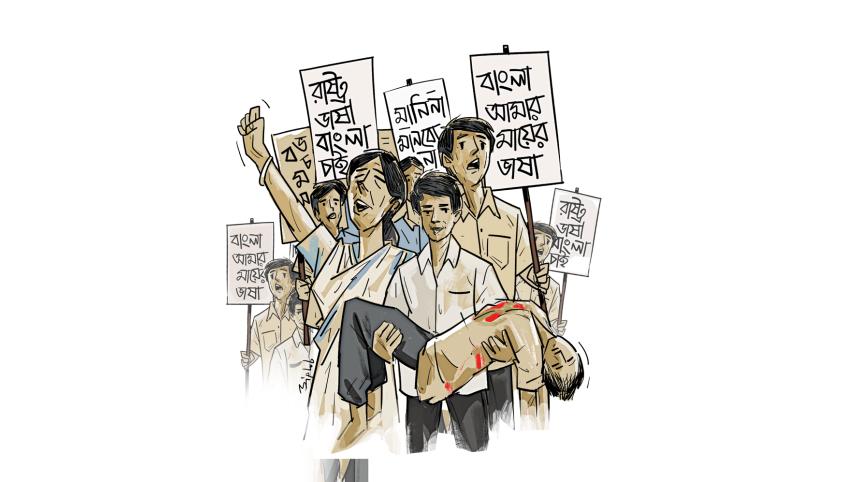
M.Z.I. Dalton Zahir | from Travellertimes Desk: The idea to celebrate International Mother Language Day was the initiative of Bangladesh. In Bangladesh, 21st February is the anniversary of the day when the people of Bangladesh on 21st February 1952 (then east Pakistan) protested for recognition for the Bangla language. Amaar bhayer rokte rangano Ekushe February/Aami ki bhulte pari… (My brothers gave their blood for 21 February/Can I forget…).”
Schools from the Arab region, Africa, Asia, South America and Europe – came together to celebrate International Mother Language Day under the theme “Many languages, one future: Youth voices on multilingual education”. Through global perspectives and shared experiences, the exchange highlighted inclusion, community and the importance of linguistic diversity in education.
International Mother Language Day 2026. Youth voices on multilingual education
For International Mother Language Day 2026, UNESCO places youth at the heart of this global conversation under the theme “Youth voices on multilingual education.”
UNESCO/M. Suvanatap
20 February 2026Event
International Mother Language Day : High Level Panel
20 February 2026 – 5:00 pm – 20 February 2026 – 6:15 pm
Location
UNESCO Headquarters, Paris, France
Meeting by Member States or Institutions
Young people are not only inheritors of linguistic diversity: they are key actors in its future. Ensuring that they can access education, information and digital spaces in their own languages is essential for inclusion, equity and sustainable development.
The programme of the 2026 celebration, organised by the Permanent Delegation of Bangladesh, will feature a high-level panel with opening remarks by H.E. Khondker M. Talha, President of the General Conference, Ambassador, Permanent Delegate of Bangladesh to UNESCO, and H.E. Nasser Hamad Hinzab, President of the Executive Board, Ambassador, Permanent Delegate of Qatar to UNESCO, followed by an address by UNESCO Director-General Prof. Khaled El-Enany.
The 2026 edition also highlights the growing digital dimension of multilingualism. Online content remains heavily concentrated in a limited number of languages, while AI systems rely primarily on dominant-language data. UNESCO continues to advance multilingualism in cyberspace through global policy frameworks, partnerships and initiatives supporting Indigenous and underrepresented languages. A keynote address by Prof. Damián Blasi on “The future of mother languages in the AI era” will explore how artificial intelligence can either reinforce linguistic inequalities or help revitalize underrepresented languages. A ministerial panel discussion moderated by UNESCO Assistant Director-General for Education Stefania Giannini will examine the role of language in peacebuilding and sustainable development.
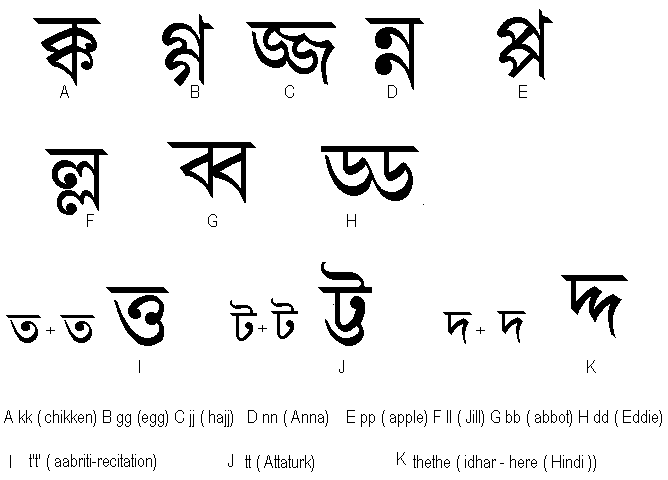
The evening will conclude with cultural performances (from 7pm to 8:30pm) organized by the Permanent Delegation of Bangladesh, featuring contributions from Member States and celebrating the richness of the world’s linguistic heritage while reaffirming the value of every language.
19 February 2026
Last update:20 February 2026


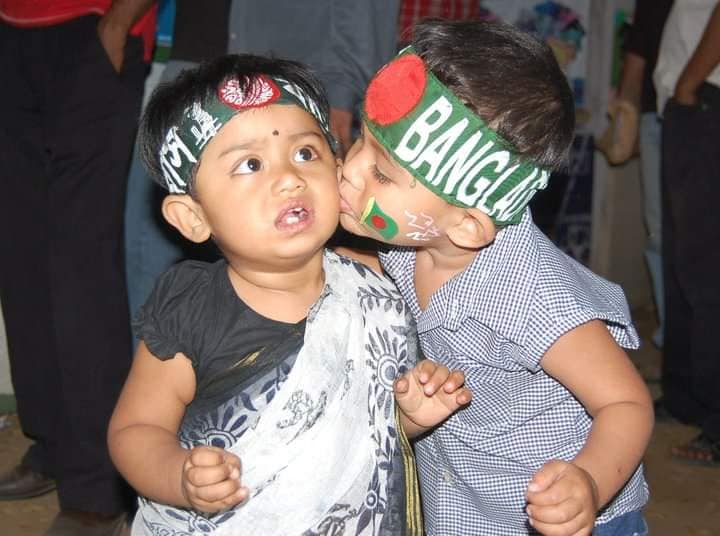
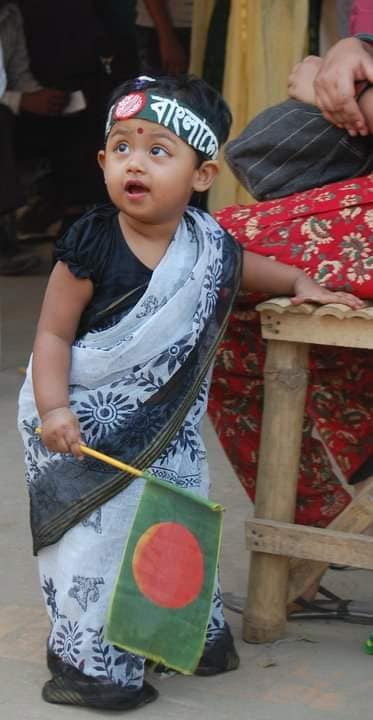
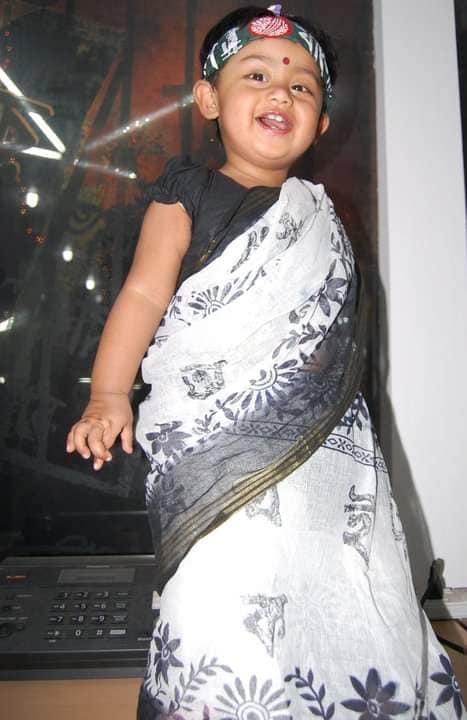
On the occasion of International Mother Language Day, classes from around the world took part in this event. Experts shared their insights to encourage the preservation and promotion of mother tongues, and students had the opportunity to express themselves. UNESCO first proclaimed International Mother Language Day in 1999 to promote awareness of linguistic and cultural diversity and to advance multilingual education.
The session began with students from the five representative classes greeting and introducing themselves in their own mother tongue: Smart School Al Kawtar Maple Bear in Fez, Morocco; the Institute of Social Sciences in Bhubaneswar, India; Centro Tecnológico Bilingue in San Miguel Tucurù, Guatemala; Collège Pascal Paoli in Île Rousse, Corse, France; and Witbank High School in Emalahleni, South Africa. These schools promote multilingual approaches in their curricula.
Across the world, young people are speaking up for their languages, sharing their cultures, and building bridges. Language is more than a means to communication; it is identity, belonging, and a connection to culture and history. This Campus explored how multilingual education strengthens learning outcomes, builds learners’ confidence, and supports inclusion in education systems.
Multilingual education as inclusion and fairness
To open the discussion, Justine Sass, Chief of the Section of Education for Inclusion and Gender Equality at UNESCO Headquarters, explained that multilingual education is not only about learning different languages, but about inclusion, creating learning environments where all learners can participate fully and where linguistic diversity is recognized and valued.
She highlighted that multilingual education is also about equity, as millions of learners around the world still lack access to education in the language, they understand best, creating barriers to learning. By valuing mother tongues and home languages in education, we open doors instead of closing them.
The future belongs to people who connect across differences. And multilingual education is about building that future. One language, one voice, one student at a time.
Justine SassChief of the Section of Education for Inclusion and Gender Equality at UNESCO Headquarters
When students cannot learn in a language they understand best, learning becomes more difficult and can accelerate language loss, with over a thousand languages at risk of disappearing by the end of this century. Preserving linguistic diversity requires actively using and transmitting these languages in daily life. Digital technologies can also help document and safeguard vocabulary and linguistic knowledge for future generations. Everyone has a role to play – families, educators, communities and media – in supporting language preservation, and new technologies are expanding these possibilities.
For this reason, monitoring languages and raising awareness about those at risk is essential. UNESCO supports global efforts, including through its work related to endangered languages and the International Decade of Indigenous Languages (2022-2032), and works with Member States to take action. UNESCO maintains a list of vulnerable world languages and works with governments to take action. By safeguarding traditions and transmitting storytelling, UNESCO helps keep languages alive. Digital AI tools further enable languages to live and thrive beyond the challenges they might face in different settings. UNESCO supports Member States in advancing mother-tongue based multilingual education, strengthening teachers’ pedagogical capacities for pedagogical needs and promoting inclusive learning environments.
Preserving mother tongues across generations
The next guest to join the conversation, Justin Langan, Métis youth leader and Indigenous advocate from Manitoba, Canada, is the Executive Director of O’KANATA, a leading youth organization. He emphasized that language is more than words; it carries life, memories, relationships, and the feeling of home. At its core, language begins in the community, and it is through the face-to-face engagement of young people with elders passing on their knowledge, teachers, and peers that it survives and thrives.
In response to a student’s question about possible solutions for preserving Indigenous languages, he explained that educational institutions play a crucial role by connecting with local Indigenous elders and knowledge keepers. The key to language preservation, he emphasized, lies in transmission, with elders passing on their knowledge to young people ensuring both the language and its associated culture continue to thrive.
There is this lesson I learned in engaging with young people, once you know where you come from you know where you are going.
Justin LanganMétis youth leader and Indigenous advocate from Manitoba, Canada. Executive Director of O’KANATA
Supporting multilingual education through innovative teaching practices
Shifting the focus from communities to classrooms, the final speaker was Yohann Teste, teacher trainer in visual arts and education in France. He works closely with teachers and learners, supporting multilingual education through innovative teaching practices.
He explained how everyday classroom activities can help students feel confident while learning a new language and expose them to other languages and cultures. Using visuals, books, and gestures is especially helpful, as images allow learners to explore and understand the nuances of a language.
We are discovering the cultural aspects. Working on the cultural aspects of it helps the students create a group effect and discover events. It generates a feeling of belonging.
Yohann TesteTeacher trainer in visual arts and education
Students from the Smart School Al Kawtar Maple Bear in Fez, Morocco, asked if one language could be used to teach another and what role AI could play in multilingual learning. He explained that teaching a language through another language can be very effective, especially at a young age. For example, using other subjects to teach English, a method known as Content and Language Integrated Learning (CLIL), is a practical tool that makes learning more engaging and meaningful. AI can also support this process, for instance through translation tools or basic learning assistance, though it cannot replace meaningful language acquisition or cultural understanding.
The exchange concluded with an interactive learning quiz, and students had the chance to express their point of view on how learning more than one language changes the way they see the world. Students from Morocco emphasized that mother tongues preserve culture and identify, connecting them to who they truly are. In Guatemala, students reflected on how learning another language can shape the world. For them, multilingualism opens doors, creates new opportunities, and allows people to travel and connect with different countries and cultures. Students from France mentioned the responsibility in maintaining their language as an essential part of their heritage and identity. Meanwhile, students from South Africa explained how learning multiple languages helps them better understand the struggles of others, fostering empathy and reducing judgmental stereotypes.
This enriching session was made possible thanks to the British council and in collaboration with 6C-conseil. Multilingual education is a shared priority across UNESCO sectors; Education, Sciences, Social and Human Sciences, Culture, and Communication and Information and is also supported among others, by the UNESCO Institute for Information Technologies in Education and the SDG4Youth network.
International Mother Language Day
21 February
The idea to celebrate International Mother Language Day was the initiative of Bangladesh. It was approved at the 1999 UNESCO General Conference and has been observed throughout the world since 2000.
UNESCO believes in the importance of cultural and linguistic diversity for sustainable societies. It is within its mandate for peace that it works to preserve the differences in cultures and languages that foster tolerance and respect for others.
Multilingual and multicultural societies exist through their languages which transmit and preserve traditional knowledge and cultures in a sustainable way.
Linguistic diversity is increasingly threatened as more and more languages disappear.
Globally 40 per cent of the population does not have access to an education in a language they speak or understand. Nevertheless, progress is being made in multilingual education with growing understanding of its importance, particularly in early schooling, and more commitment to its development in public life.

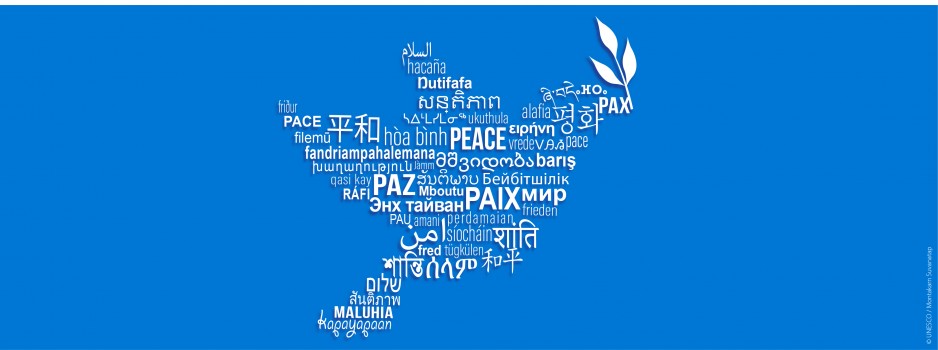
© UNESCO/Montakarn S. Kittipaisalsilp

“On this International Mother Language Day, UNESCO is calling for investment in language transmission by placing young people at the heart of the solutions involved. Because linguistic diversity is a pillar of peace, dignity and inclusion. And no voice should be missing from the story of our humanity.”
2026 celebrations
This year’s International Mother Language Day highlights the role of young people in shaping the future of multilingual education. Youth voices on multilingual education emphasizes that language is more than a means of communication: it is central to identity, learning, well-being and participation in society. The celebration underscores the importance of education systems that recognise and value every learner’s language to support inclusion and learning outcomes.
Ahead of International Mother Language Day, UNESCO is organizing an online Campus event on 13 February. Students aged 13–18 can participate, engage via chat, and exchange with international experts and peers from all regions. The event offers a space for young people to share experiences and identify concrete actions to promote linguistic diversity in their schools and communities.
#Events

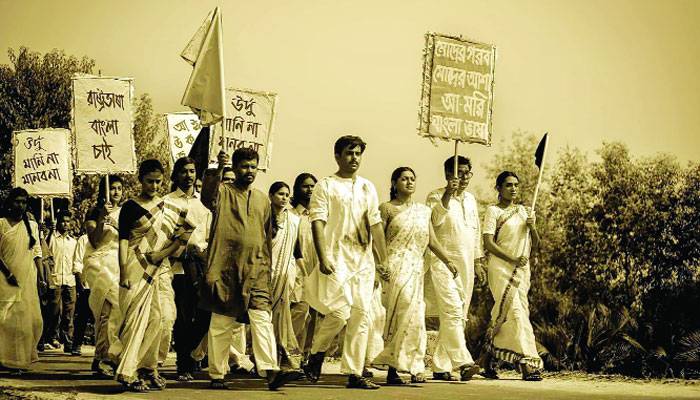
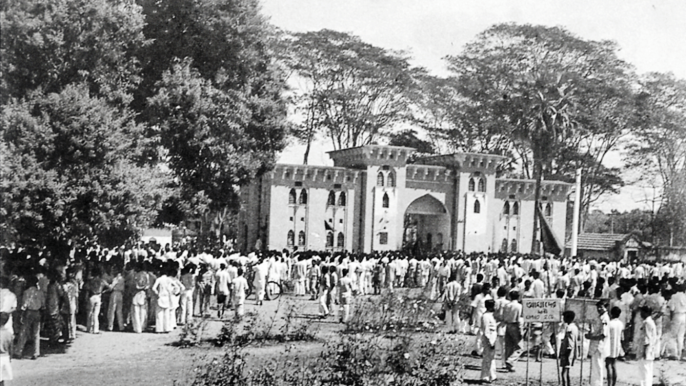
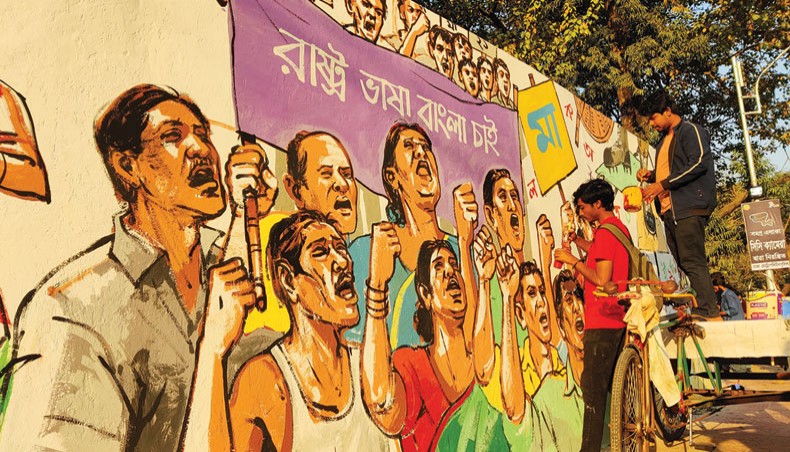
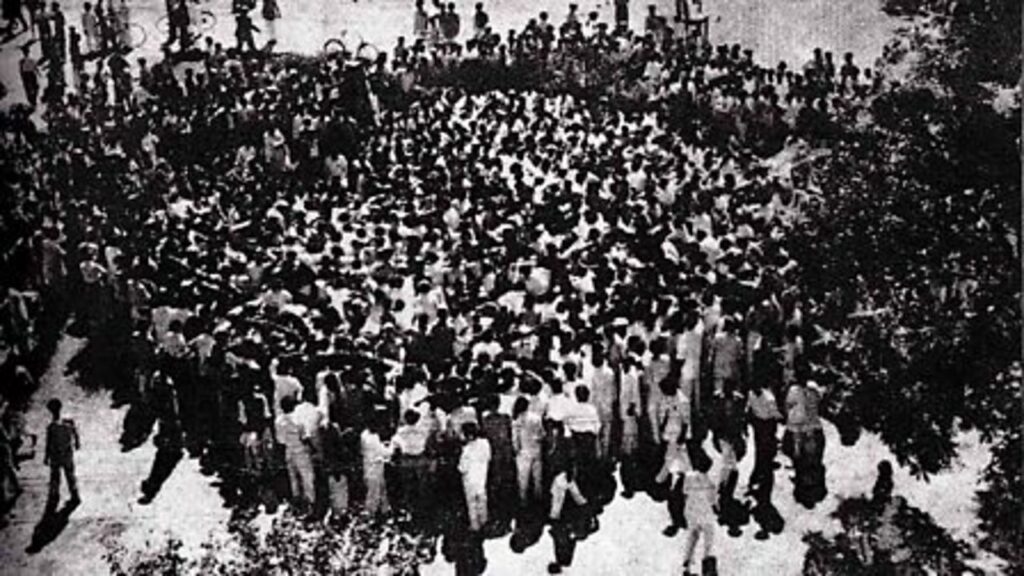
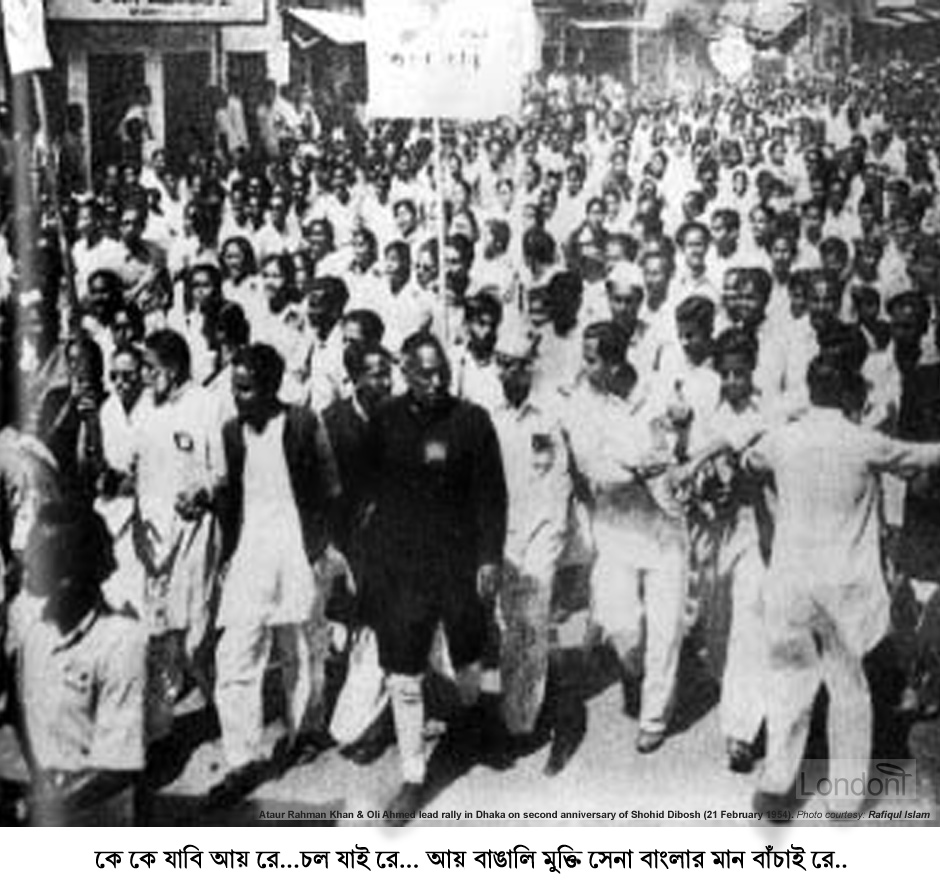
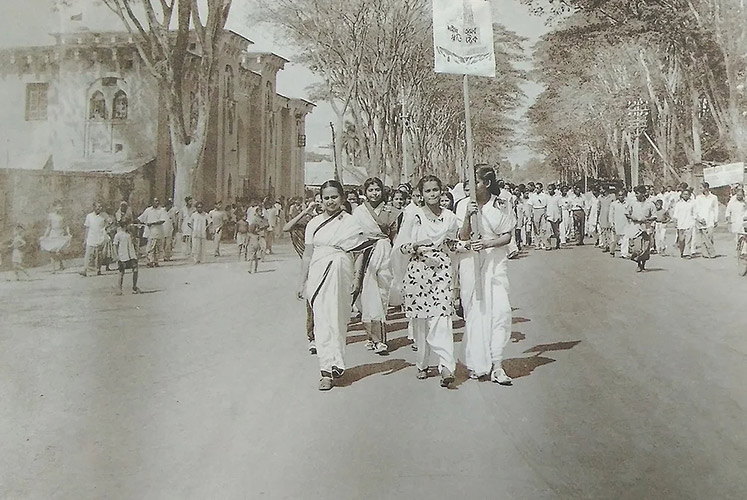
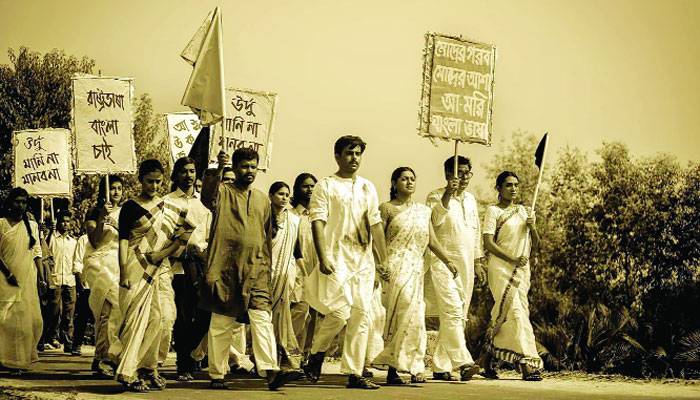
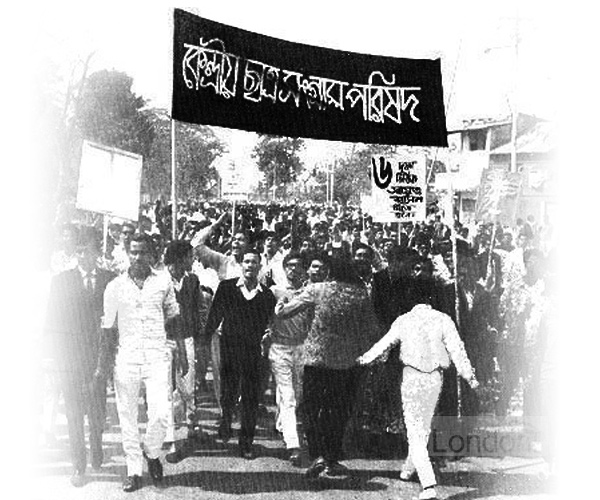
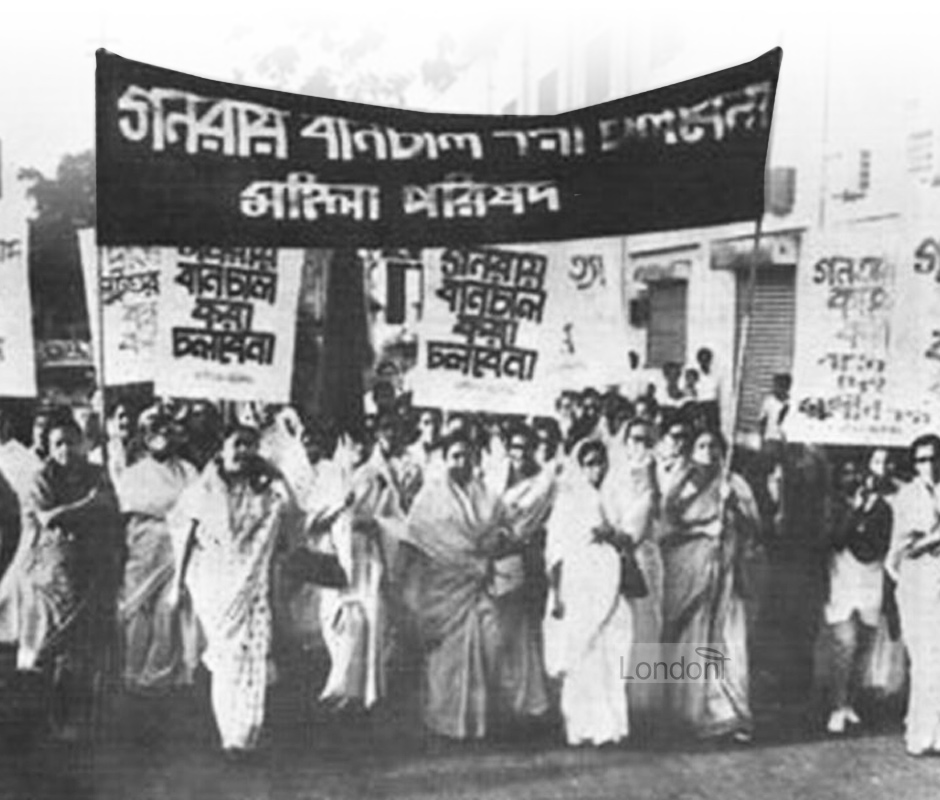
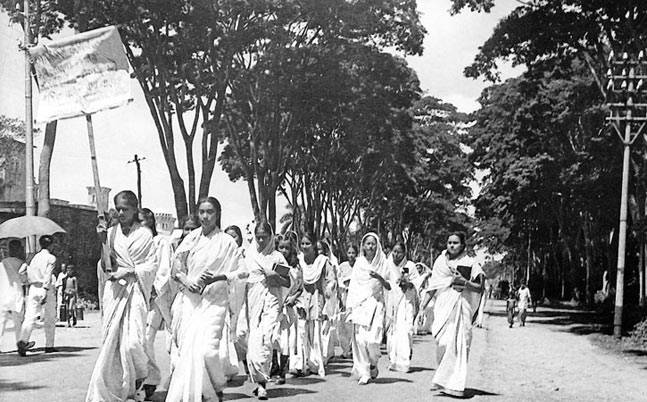
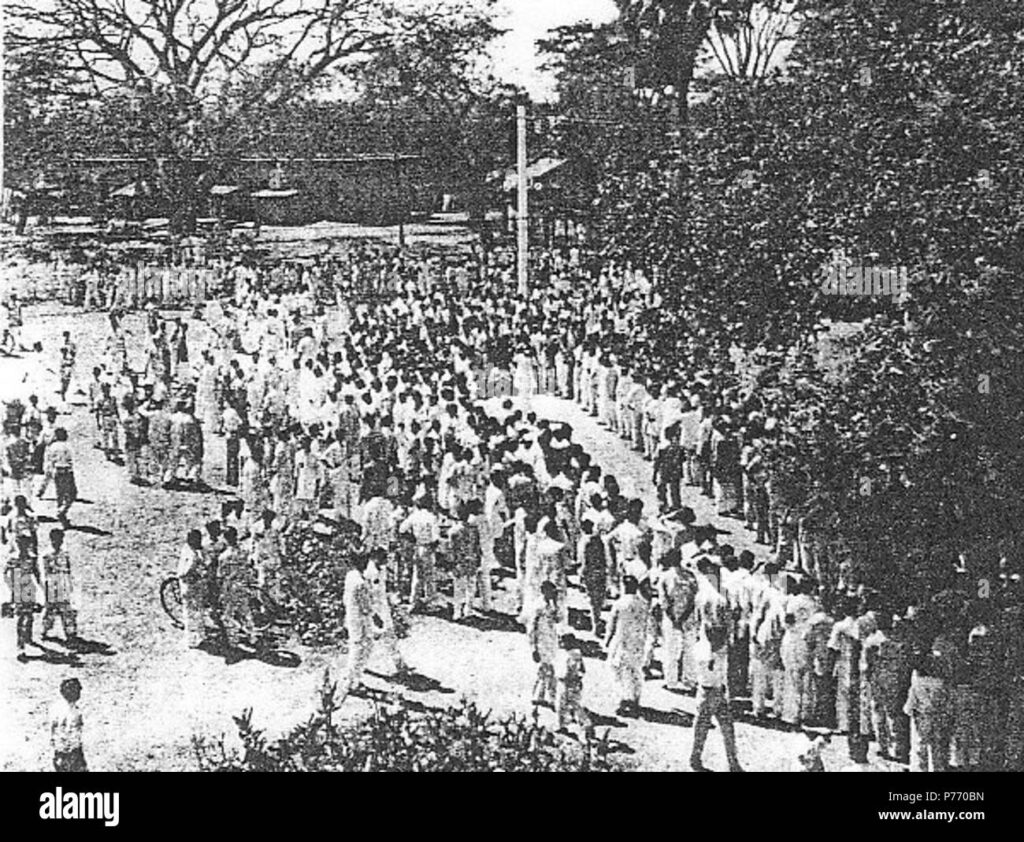
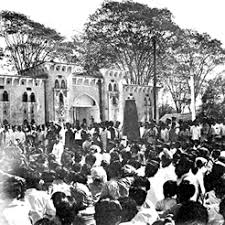

#International Mother Language Day is observed annually on 21 #February to promote linguistic and cultural diversity and to encourage multilingualism worldwide.
Historical #Significance
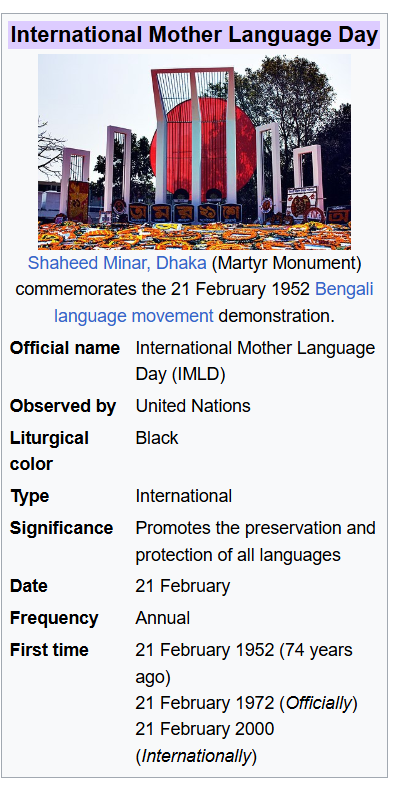
The date commemorates the 1952 #Bengali #Language #Movement in #Dhaka, then part of East Pakistan (now #Bangladesh).
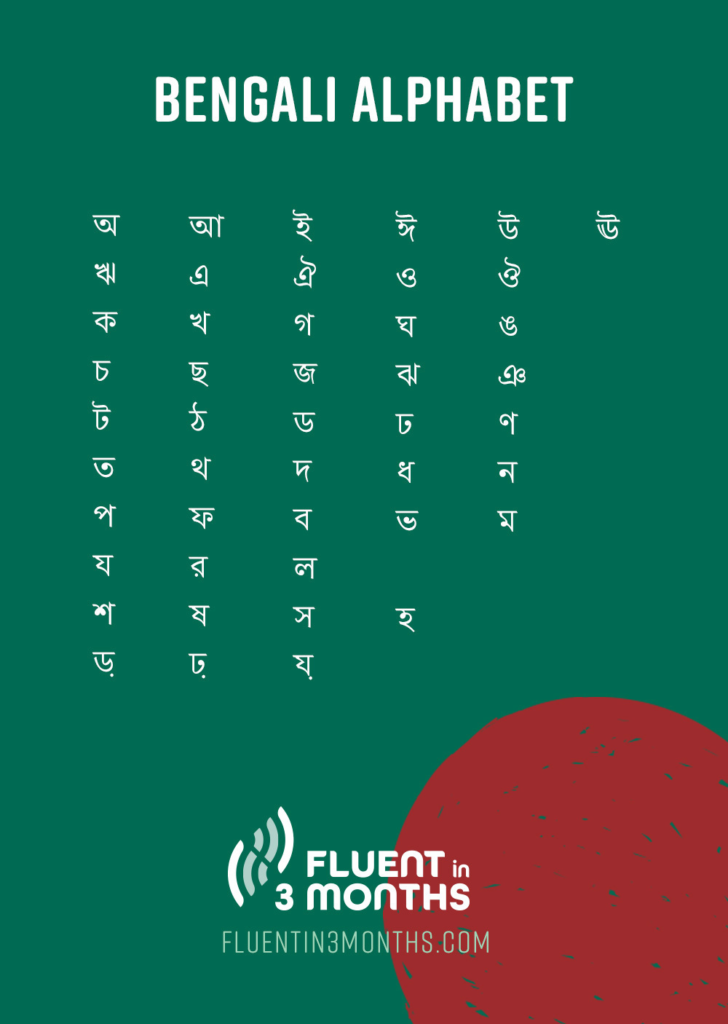
- The Protest: Students from the University of Dhaka and other activists protested against the government’s decree that Urdu be the sole national language, despite Bengali being the majority tongue.
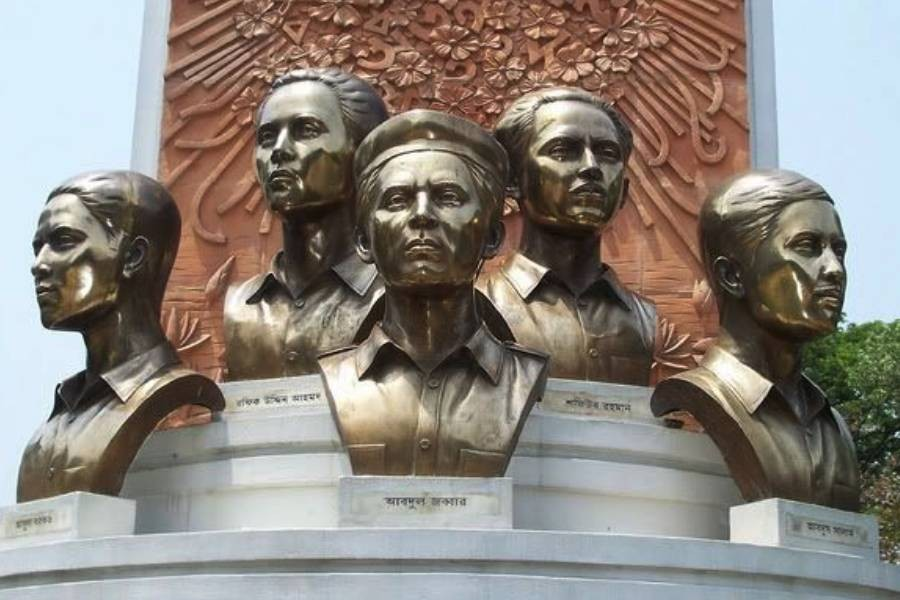
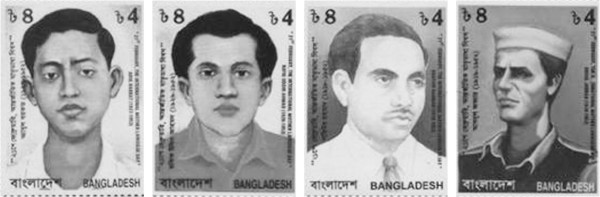
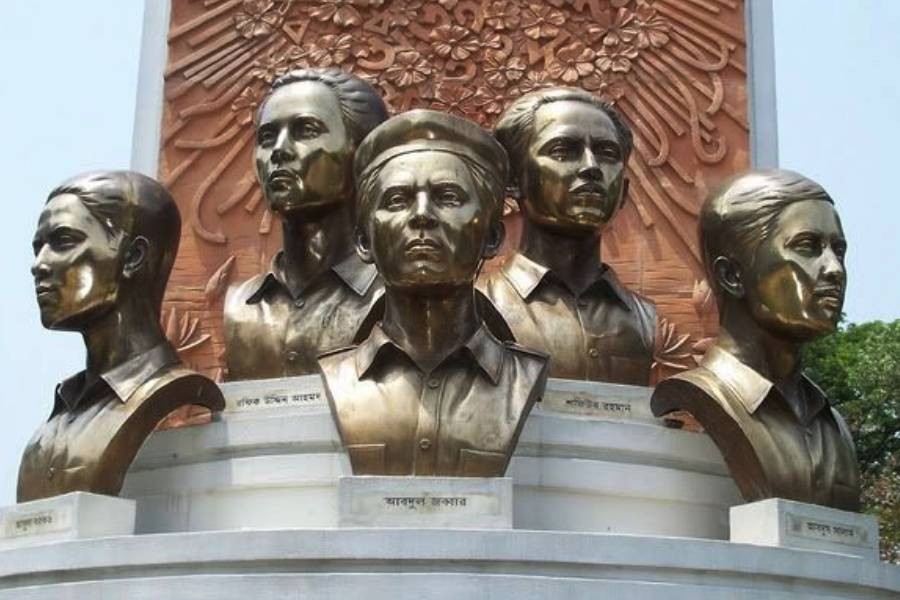
- The Sacrifice: On 21 February 1952, police opened fire on the demonstrators, killing several students including Abdus Salam, Abul Barkat, Rafiq Uddin Ahmed, and Abdul Jabbar.
- Recognition: Following decades of advocacy, UNESCO formally proclaimed the day in November 1999, and it has been observed globally since 2000.
2026 Theme: “Youth voices on multilingual education”
The theme for 2026 highlights the role of young people in shaping the future of multilingual education.
- Focus: It emphasizes that language is central to identity, learning, and social participation.
- Goal: To advocate for education systems that value every learner’s language to improve inclusion and learning outcomes.
Why It Matters
- Endangered Languages: UNESCO estimates that every two weeks, a language disappears, taking an entire cultural heritage with it.
- Education Gap: Approximately 40% of the global population does not have access to education in a language they speak or understand.
- Cultural Identity: Mother tongues are the primary tools for preserving traditional knowledge and diverse worldviews.
How it is Observed
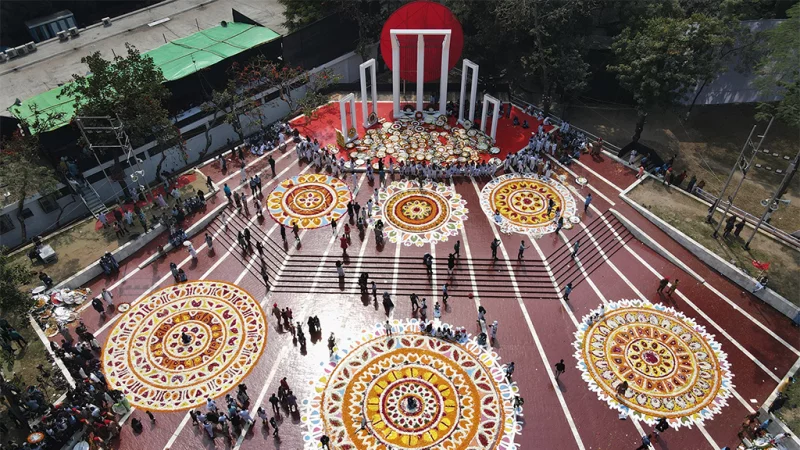
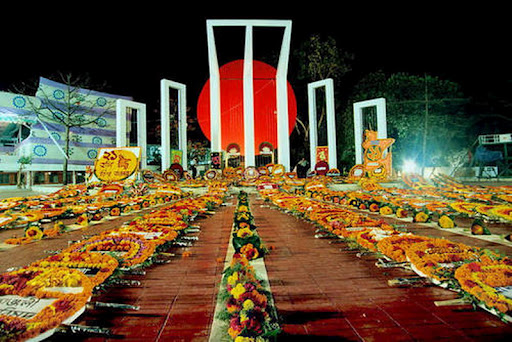
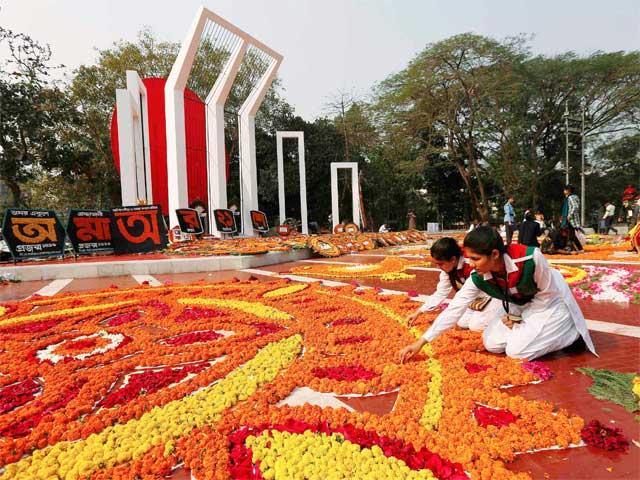
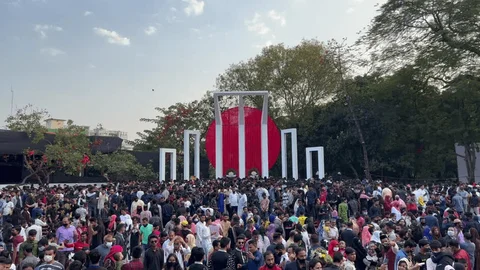
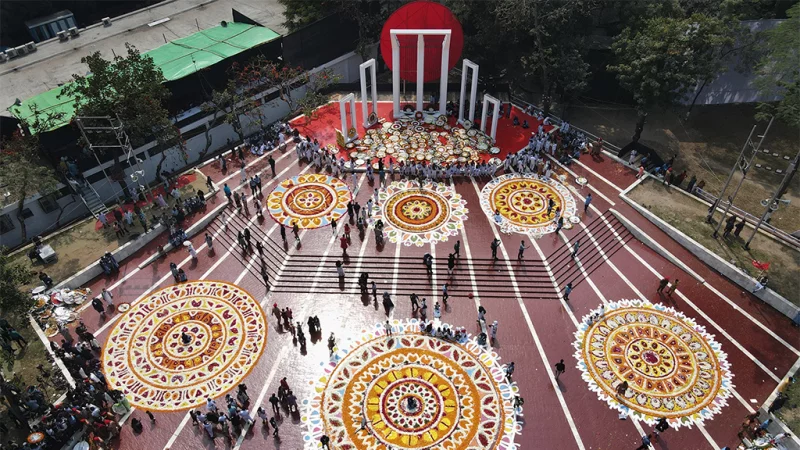
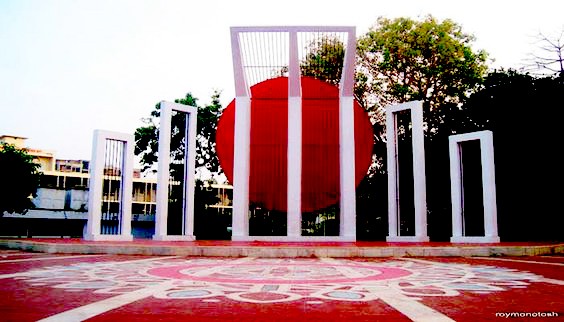
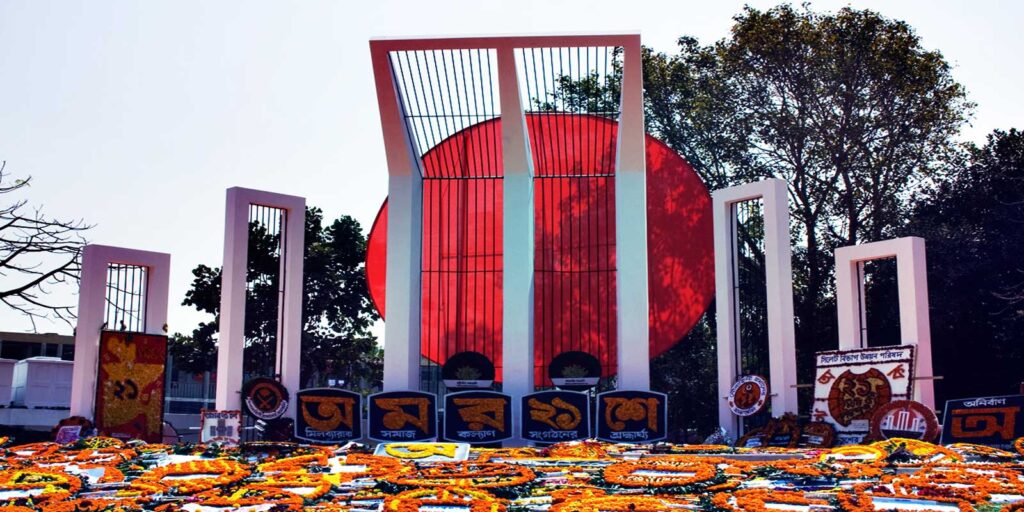
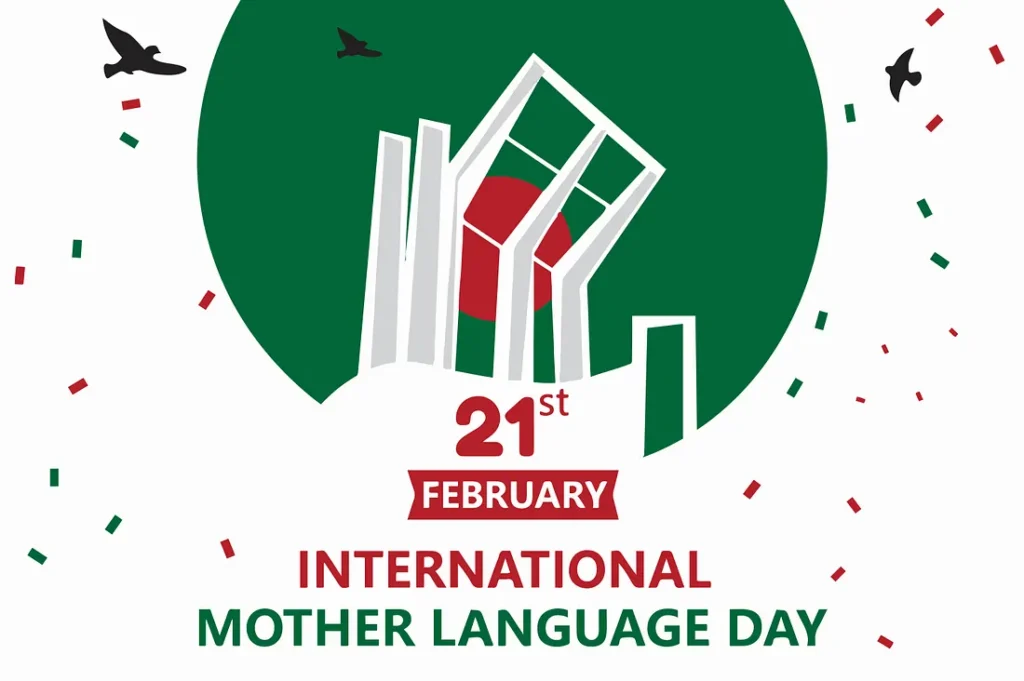
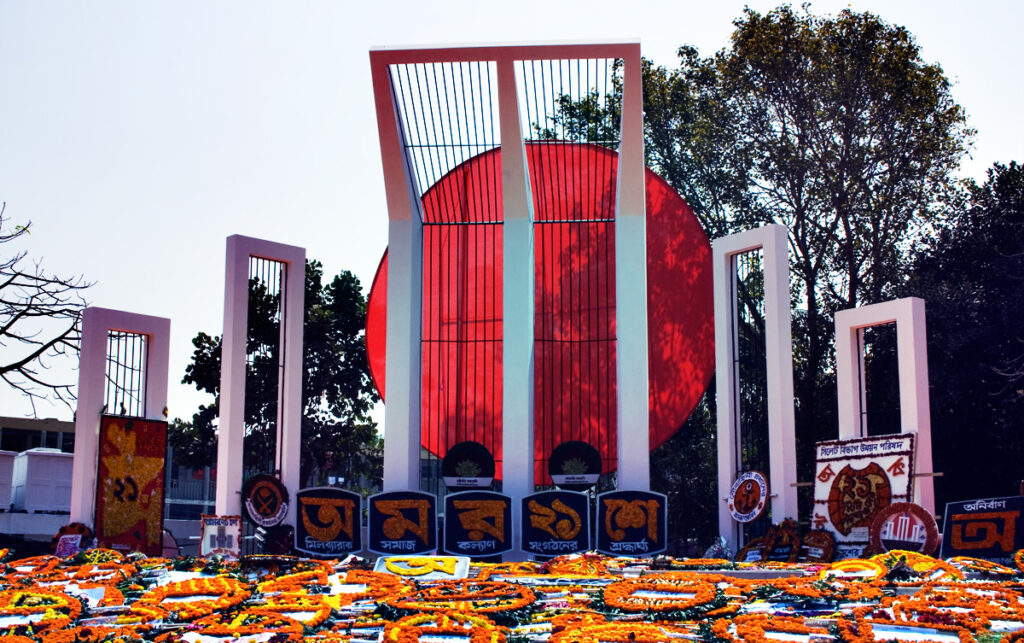
- In Bangladesh: Known as Shaheed Dibôsh (Martyrs’ Day), it is a national holiday. People lay flowers at the Shaheed Minar monument and organize cultural festivals.
- Globally: Educational institutions and international organizations like the United Nations host seminars, poetry readings, and language workshops to celebrate linguistic roots.
1. Online Courses (UNESCO Open Learning)
The most direct way to earn a UNESCO-verified certificate is by completing self-paced modules on their official learning platforms.
- UNESCO Open Learning: Offers various courses on education, science, and culture.
- UNESCO MGIEP: The Mahatma Gandhi Institute of Education for Peace and Sustainable Development provides certificates for courses like “Media Literacy” or “Climate Information.” You typically must score at least 70% on assessments to qualify.
- Linguistic Diversity Courses: You can find specialized courses such as “Linguistic Diversity, What for?” on platforms like Coursera, often designed in collaboration with UNESCO Chairs.
2. International Mother Language Institute (IMLI)
For those specifically interested in Mother Language Day recognition:
- Awards: The International Mother Language Institute in Bangladesh (under the auspices of UNESCO) invites proposals for the International Mother Language Award. This is a prestigious honor rather than a simple certificate.
- Writing Activities: Some UNESCO-affiliated local partners (like the Sint Maarten National Commission) organize poetry or essay competitions that issue certificates to participants.
www.unesco.sx +2
3. Specialized Training & Internships
- Media & Information Literacy (MIL): UNESCO frequently hosts 4-week online training sessions (e.g., in March) where successful participants receive a certificate.
- Internship Programs: Agencies like the International Institute for the Study of Nomadic Civilizations (IISNC) offer internship programs under UNESCO’s auspices that provide professional certification upon completion.
4. Conference & Event Participation
- Professional CPD: Organizations like the Linguists Collective host celebrations for International Mother Language Day that offer Continuing Professional Development (CPD) certificates for attendees of their training sessions.
The United Nations (UN) and UNESCO work together to observe International Mother Language Day every 21 February. While UNESCO is the lead agency, the UN formally recognized the day in 2002 to promote global multilingualism.
UN Role & 2026 Observance
The UN General Assembly (UNGA) and its various offices host commemorative events to emphasize that linguistic diversity is essential for achieving the Sustainable Development Goals (SDGs). United Nations University
- 2026 Theme: “Youth voices on multilingual education”.
- This theme highlights the role of young people in revitalizing languages and the need for inclusive education systems.
- Currently, 40% of the global population lacks access to education in a language they understand.
- UN Geneva: Hosted a multilingual photobooth from 18 to 25 February 2026, allowing visitors and staff to showcase their native languages.
- UN University (UNU): Co-hosted a commemorative event on 21 February with the Embassy of Bangladesh to celebrate language preservation as a pillar for peace.
www.ungeneva.org +5
How to get a UN/UNESCO Certificate
Direct participation in official UN headquarters events typically requires pre-registration, and certificates are usually reserved for specific educational activities:
- UNESCO Campus Events: On 13 February 2026, UNESCO held an online Campus event for students aged 13–18. Participants who engaged in these structured interactive dialogues often receive certificates of participation through their registered schools.
- UN Open Learning: For formal certification, the UN SDG Learn and UNESCO Open Learning platforms offer free courses on cultural diversity and education that provide verifiable digital certificates upon completion.
- Local Partner Activities: Many UN-affiliated organizations (like the Linguists Collective) offer Continuing Professional Development (CPD) certificates for attending their specialized language training sessions during the observance month.
Celebrating International Mother Language Day: how the EU supports languages
This Saturday, 21 February, is International Mother Language Day 🎉.

The EU is super proud of its linguistic diversity: there are 24 official languages and around 60 regional and minority languages spoken across Europe. Language is a big part of who we are and where we come from, which is why the Culture Compass for Europe helps protect and promote this rich diversity.
Through programs like Erasmus + and Creative Europe, the EU supports various language community projects — from creative residencies for writers working in minority languages to student exchanges that encourage young people to discover regional languages across Europe.
Want to explore more? Check out the publication Linguistic diversity in the European Union.
Through Horizon Europe, the EU also funds research projects that focus on protecting endangered languages, strengthening linguistic skills and promoting multilingualism.
Details
Publication date
21 February 2026AuthorDirectorate-General for Communication
The UNESCO (United Nations Educational, Scientific and Cultural Organization) International Mother Language Day is celebrated on 21 February worldwide (every year since 2000) to promote awareness of linguistic and cultural diversity and multilingualism. Multilingualism means using multiple languages and it is becoming a social phenomenon governed by the needs of globalisation and cultural openness. The Day promotes linguistic diversity and multilingual education, and to develop fuller awareness of linguistic and cultural traditions based on understanding, tolerance, and dialogue.
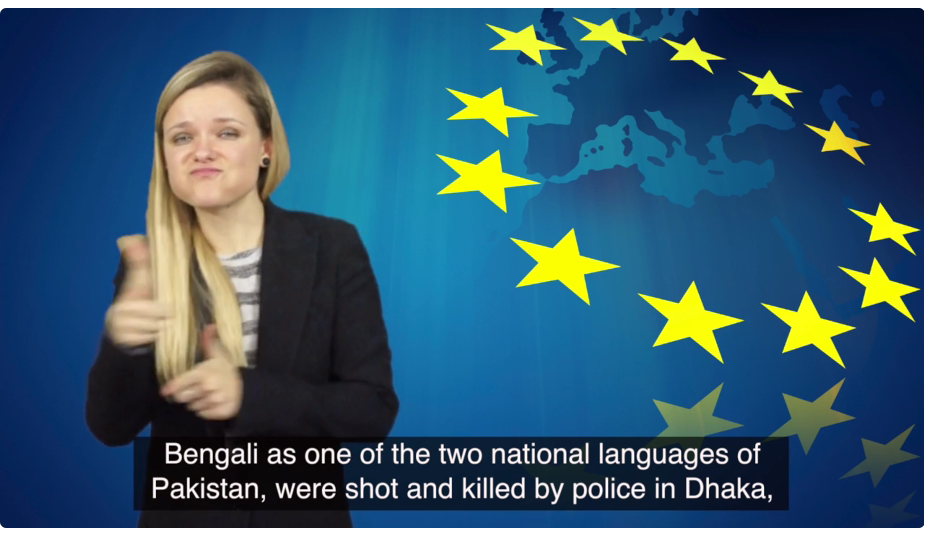
The Day represents the day in year 1952, when students demonstrating for the recognition of their language Bengali as one of the two national languages of Pakistan, were shot and killed by police in Dhaka, which is the capital city of present day Bangladesh.
On this day, the Linguapax Prize is awarded by the Linguapax Institute. The prize recognises and awards the actions carried out in different areas in favour of the preservation of linguistic diversity and reactivation of linguistic communities and the promotion of multilingualism. Candidates are individuals of the academic community and civil society.
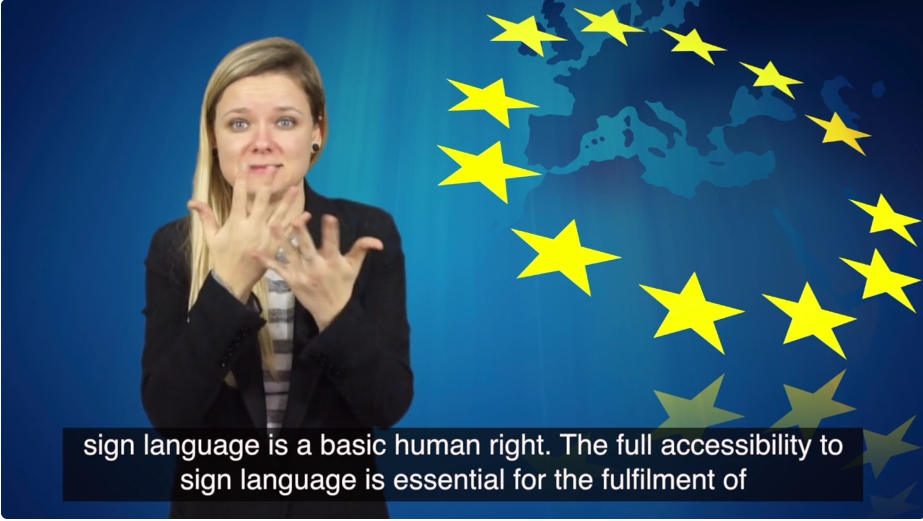
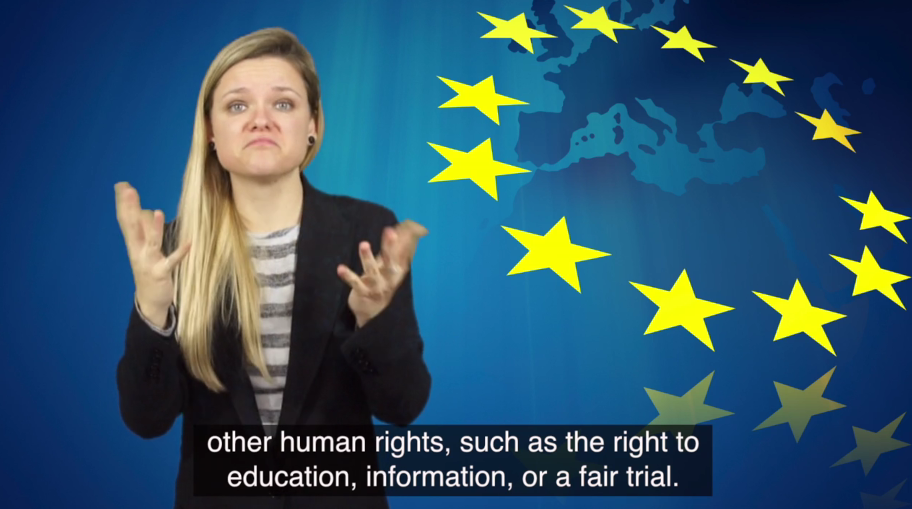
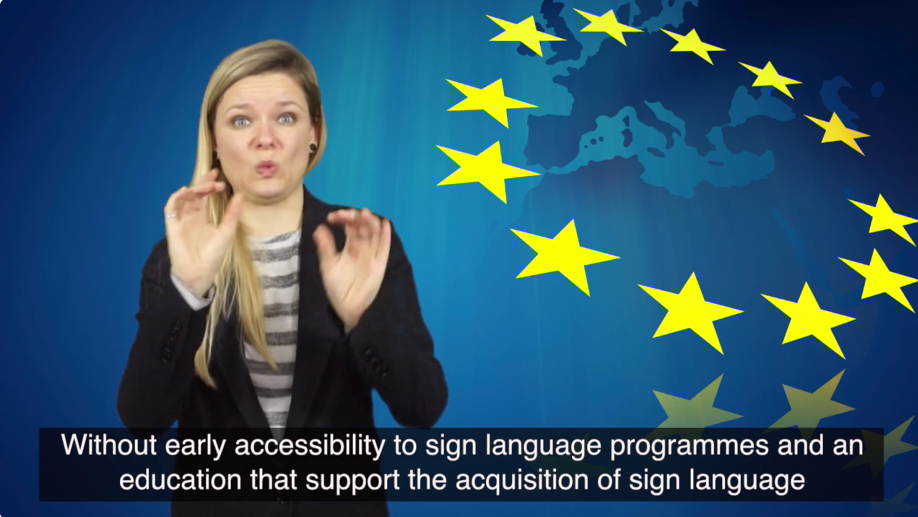
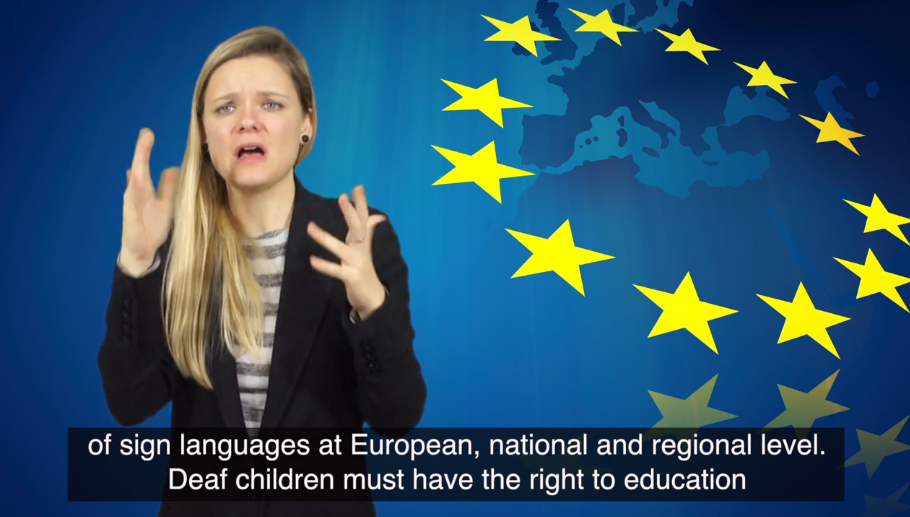
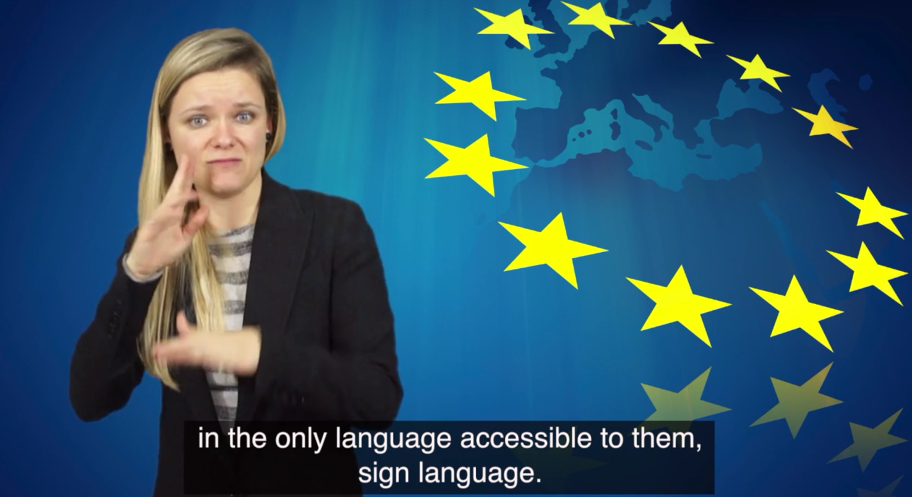
Sign languages are the mother tongues of Deaf people all across the world. EUD guarantees, the right to use sign language is a basic human right. The full accessibility to sign language is essential for the fulfilment of other human rights, such as the right to education, information, or a fair trial. Without early accessibility to sign language programmes and an education that support the acquisition of sign language Deaf children will not be able to enjoy their basic human rights as a children and later as adults.
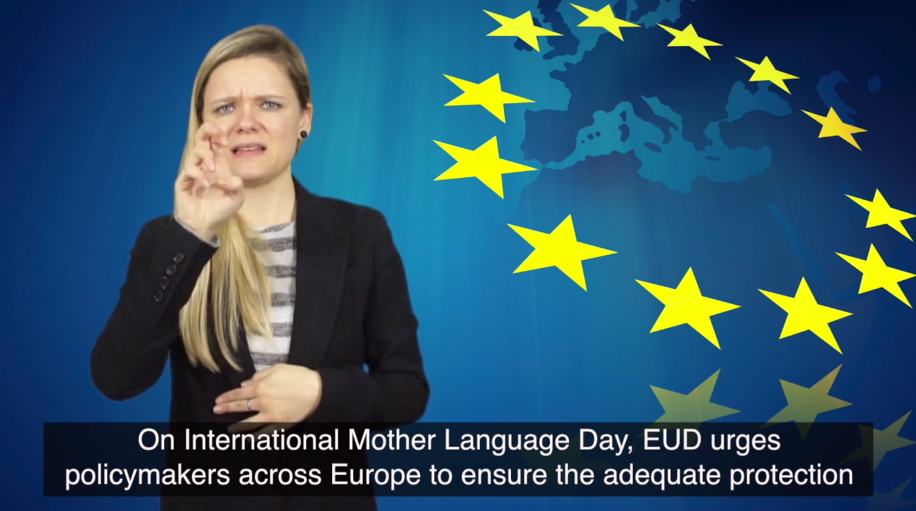
On International Mother Language Day, EUD urges policymakers across Europe to ensure the adequate protection of sign languages at European, national and regional level. Deaf children must have the right to education in the only language accessible to them, sign language.
Further links:
UNESCO´s website:
http://en.unesco.org/
The official website for international day:
http://www.un.org/en/events/motherlanguageday/index.shtml
Linguapax award´s website:
http://www.linguapax.net/what-we-do/linguapax-award/
Historical Context in Bangladesh
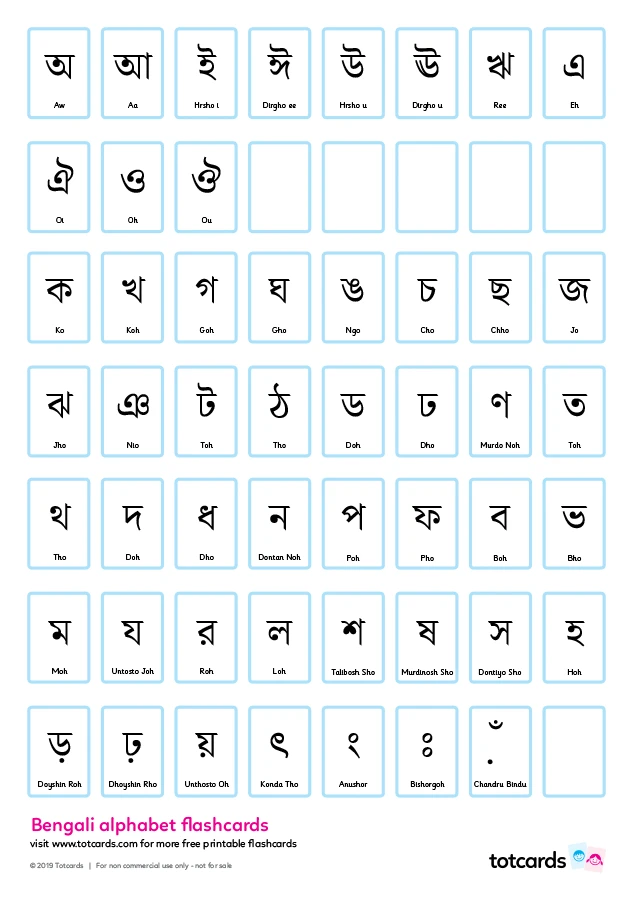
- The Struggle (1952): Following the 1947 partition, the Pakistani government declared Urdu as the sole national language, despite Bengali being the majority language in East Pakistan.
- The Sacrifice: On 21 February 1952, students from the University of Dhaka and other activists defied a ban on public rallies to protest for the recognition of Bengali. Police opened fire, killing several demonstrators, including Salam, Barkat, Rafiq, Jabbar, and Shafiur.
- Martyrs’ Day: In Bangladesh, the day is a national holiday known as Shohid Dibôsh (Martyrs’ Day) or Ekushey February
Global Recognition
- UNESCO Proclamation: At the initiative of Bangladesh, UNESCO declared 21 February as International Mother Language Day on 17 November 1999.
- First Worldwide Observance: The day was first observed internationally in 2000.
- UN Formalization: The UN General Assembly formally recognized the day in 2002 (Resolution 56/262) and later proclaimed 2008 as the International Year of Languages.
2026 Observance
The 2026 theme is “Youth voices on multilingual education,” emphasizing the role of young people in shaping the future of linguistic diversity and ensuring education is accessible in a learner’s native language.
How the Day is Observed
- In Bangladesh: Citizens visit the Central Shaheed Minar in Dhaka, typically barefoot, to lay floral wreaths and pay tribute to the martyrs. The Ekushey Book Fair (Ekushey Boi Mela) is held throughout February to celebrate Bengali literature.
- Globally: UNESCO and UN agencies organize events to promote endangered languages and multilingual education. Replicas of the Shaheed Minar have been built in cities like London, Tokyo, and Sydney to mark the occasion
M.Z.I. Dalton Zahir | editor : Travellertimes.net