
Technology and tourism: when innovation becomes experience
BIT 2026 Observatory
Technology and tourism: when innovation becomes experience
Digital transformation has been a topic of discussion for several years now. But
what changes in 2026? Technology no longer simply supports the journey – it
shapes it. From inspiration to booking, from experiencing destinations to post-trip
engagement, digital has become the invisible infrastructure underpinning the
entire tourism experience. This is a deep transformation that goes beyond tools
alone, affecting the very way operators, destinations and travellers connect,
recognise each other and create value.
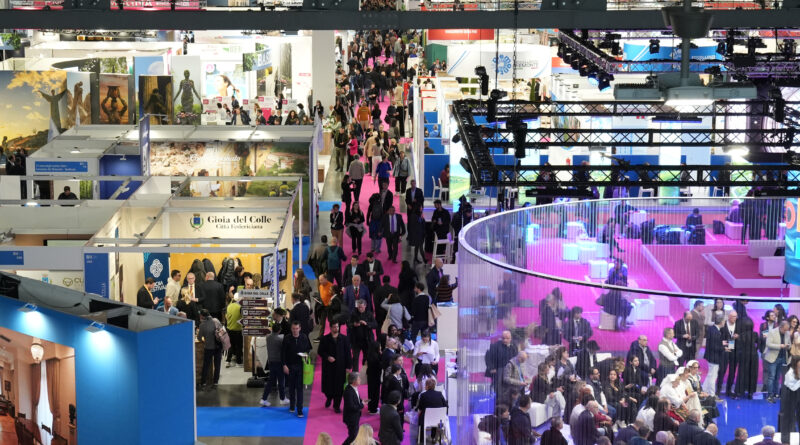
Staying true to its long-standing ability to anticipate and guide market evolution,
the relationship between technology and tourism takes centre stage at BIT 2026,
organised by Fiera Milano at the Rho exhibition centre from Tuesday 10 to
Thursday 12 February.
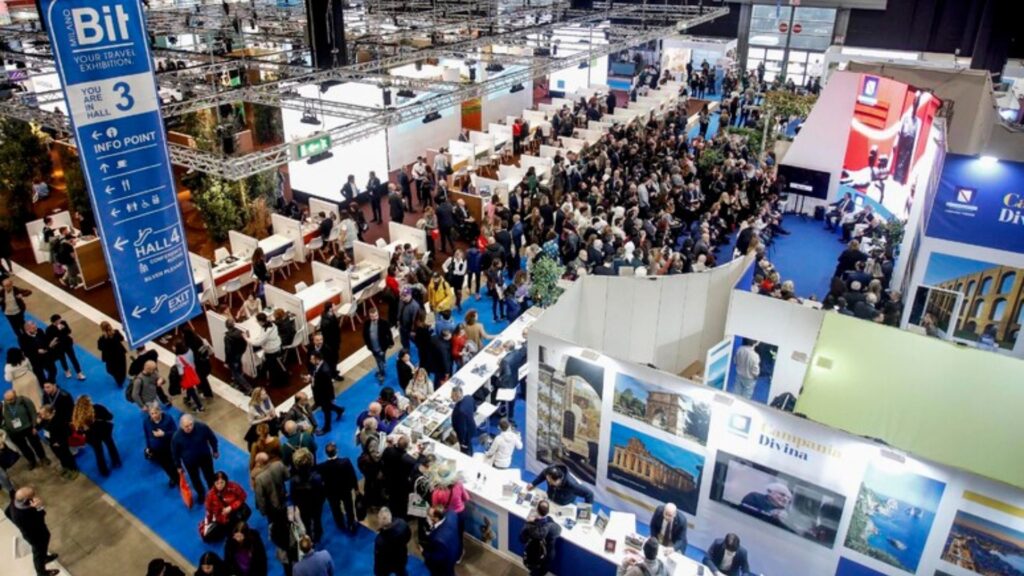
Technology and innovation at the heart of the Travel Makers Fest
Within the Travel Makers Fest – BIT 2026’s innovative programme of talks –
these themes are explored in a concrete and practical way, starting with forward
looking insights. The Future Is in Motion: Lessons from the U.S. Travel
Market brings a US perspective on the future to the BIT 2026 Main Stage,
featuring Duane Overgaard, President of DerbySoft, Zolon Wilkins, Chief
Development Officer at WNS, and Anil Aggarwal, CEO of Milestone.
The session The Future Is Here: How Trip.com Is Redesigning Global Travel
focuses on the sector’s evolution through the contribution of Tania Cultraro,
Senior Marketing Manager Hotel at Trip.com Group. By highlighting emerging
trends and changing traveller behaviour, she offers a privileged view of the
transformation currently under way.
Equally impactful are the sessions organised in collaboration with Netcomm, the
Italian e-commerce consortium of which BIT is also a member. The two panels
titled Digital Tourism 5.0: ecosystems, experiences and innovation for the
traveller of the future examine how digital technologies are turning tourism into
an ecosystem of personalised experiences, integrating mobility, hospitality and
retail. The first session, From the journey to the relationship: experiences,
platforms and new value for travellers, focuses on evolving engagement
models, while the second, Digital ecosystems and tourism governance:
infrastructure, data and interoperability, delves into systemic and strategic
challenges.
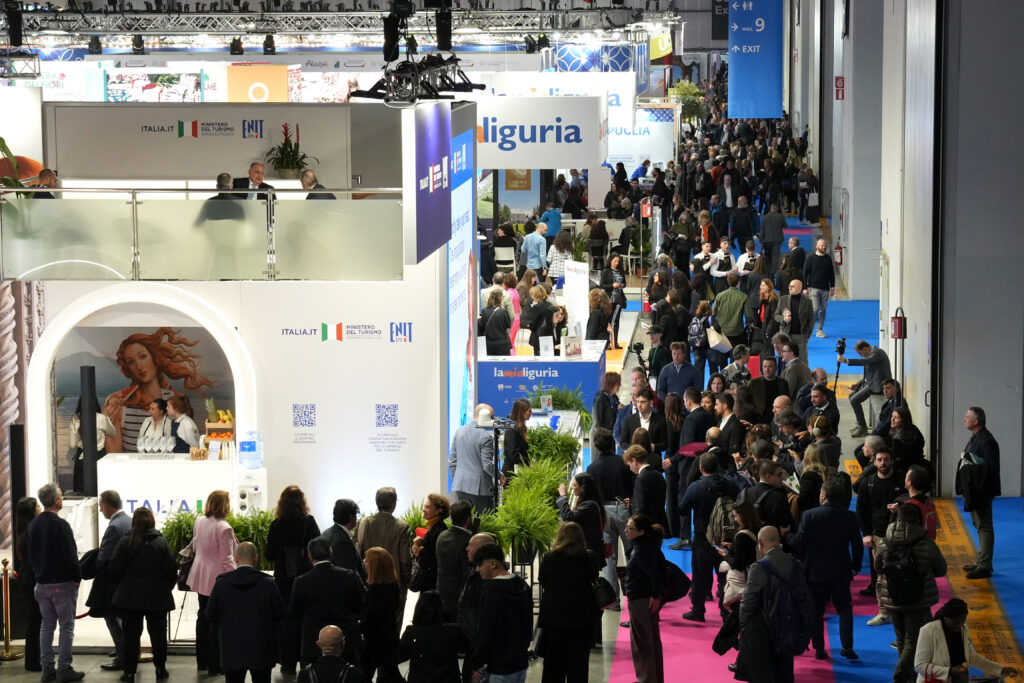
In primo piano anche Accenture e in particolare il talk Il futuro dei Tour Operator
nell’era della rivoluzione AI in cui Stefania Filippone, Managing Director
Accenture also takes the spotlight, particularly with the talk The Future of Tour
Operators in the Age of the AI Revolution, where Stefania Filippone, Managing
Director for Business Transformation Strategy at Accenture, will discuss the topic with
Pier Ezhaya, General Manager of Tour Operating at Alpitour Spa and President of
Astoi Confindustria Viaggi.
The programme developed with The Data Appeal Company is equally rich. In the
keynote AI as the New Digital Literacy in Tourism, founder Mirko Lalli explores
the shift towards intelligent delegation, where autonomous systems support decision
making. In Data, AI and Strategies for Destinations, Sales Engineer Federica
Amati explains how AI enables a more dynamic reading of territories. Martina
Tabani, Senior Sales Manager, addresses customer experience as a predictive driver
in Data-Driven Hospitality: From Customer Experience to Revenue, while Data
and AI for Tour Operators and Travel Agencies sees Mario Romanelli, Sales &
Innovation, analyse needs, behaviours and expectations to help prioritise product
offerings.
BIT 2026 will also address the role of intermediation across the tourism value chain.
The talk Why Organised Tourism Creates Value for the Entire Tourism Supply
Chain, curated by FTO, highlights the tangible benefits of organised tourism not only
for travellers, but also for destinations and partners, with a strong focus on
innovation.
Within this thematic framework, The Journey Continues: The Future of Tourism in
the Age of AI features Raffaele Gaito, growth coach and lecturer, and an expert in
digital innovation and AI applied to business models. The session focuses on the
relationship between technology and the human factor, exploring how AI can act
as an ally in building authentic experiences, meaningful relationships and new growth
models.
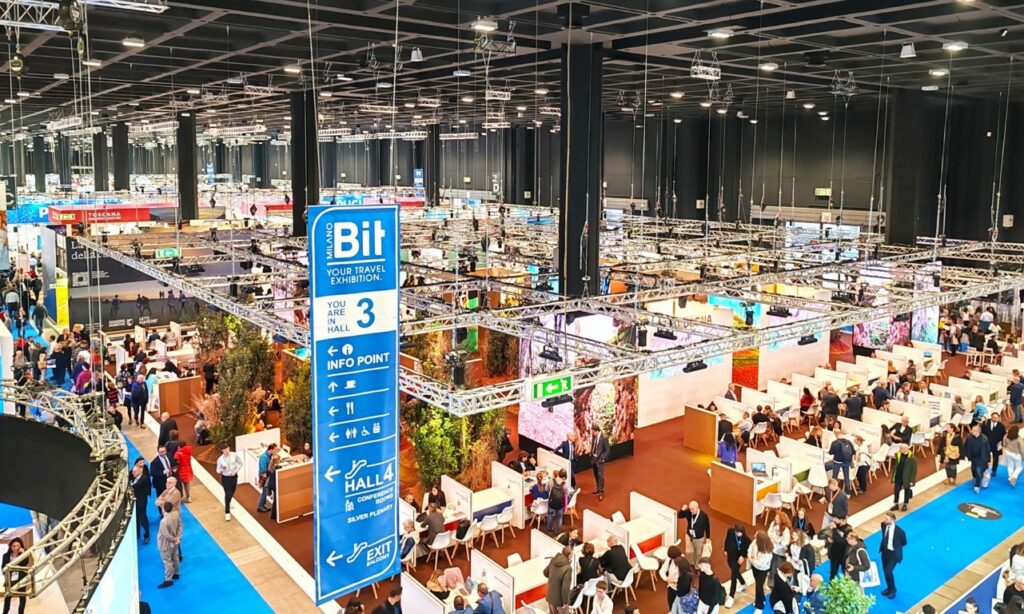
Data and trends: digital as the operational core of the industry
This revolution is also reflected in the numbers. According to Statista estimates, by
2026 nearly three quarters (74%) of the total value of global travel bookings – worth
824 billion dollars – will be generated through online channels, amounting to around
610 billion dollars. Digital is no longer an alternative route, but the primary
economic engine of global tourism. Artificial intelligence is a key driver of this
shift: for example, 72% of Gen Z travellers regularly use AI tools to plan itineraries
and compare offers, compared with a global average of 54%, according to
Skyscanner Travel Trends 2026.
Inspiration is increasingly visual. In December 2025, a study by PhotoAiD reported
that 74% of travellers use social media to research destinations before booking.
Statista data tell a similar story, with 75% of travellers saying social media posts
influence their final destination choice. At the same time, technology-enabled access
to deeper information – once unimaginable – is driving greater attention to
transparency and sustainability. According to the Booking.com Sustainability
Report 2025/26, 62% of European tourists use digital tools to check the
environmental impact of their travel choices before booking.
In Europe, Phocuswright reports that the travel tech market is growing at an annual
rate of 12% between 2024 and 2026, fuelled primarily by digital solutions for
tourism SMEs.
Italy: between digital maturity and emerging challenges
Within this context, Italy confirms its position as the most sought-after European
destination online, accounting for over one third (34.2%) of all digital searches
related to Southern Europe, according to The Data Appeal Company – Tourism
Forecast 2026.
A decisive role in this rise has been played by the Milan-Cortina 2026 Winter
Olympic and Paralympic Games, which have acted as a catalyst for Smart Tourism
initiatives. More than 35,000 operators have been integrated into the national
Tourism Digital Hub, according to the Ministry of Tourism. The rapid digitalisation of
tourism has also contributed to increasing internet penetration to 89.9% of the
population, with 53.1 million active users, as reported by DataReportal – Digital
2026 Italy.
This innovation is not an end in itself. The traveller of 2026 uses digital tools in search
of authenticity. Whether discovering small villages in Calabria through augmented
reality or booking a farm stay in Tuscany – whose reviews have increased by 300%,
according to Airbnb’s annual travel trends report – technology has become a means
of rediscovering a slower, more conscious and human approach to travel.
Italy has moved beyond experimentation to become a widespread Smart
Destination, where technology protects local identity rather than replacing it.
Turin, named European Capital of Smart Tourism, is leading this shift by using
predictive algorithms to balance visitor flows between central museums and the
Savoy residences, significantly reducing overcrowding. Meanwhile, the Milan
Cortina axis has leveraged the Olympic and Paralympic Games to launch the first
integrated mobility ecosystem between Lombardy and Veneto. A single digital
wallet now allows tourists to seamlessly manage flights, regional trains and access
to Olympic venues.
In major art cities such as Rome, digital tools have become essential in tackling
overtourism. Through the Caput Mundi project, technology directs visitors towards
lesser-known archaeological routes, easing pressure on iconic sites. In Naples,
real-time digital sentiment analysis helps promote authentic neighbourhood
experiences, improving perceptions of local hospitality. This momentum also extends
to inland areas: in Calabria and Basilicata, augmented reality enables travellers to
view historical reconstructions of villages and archaeological sites directly on
their smartphones.
From technology to value: real-world innovation
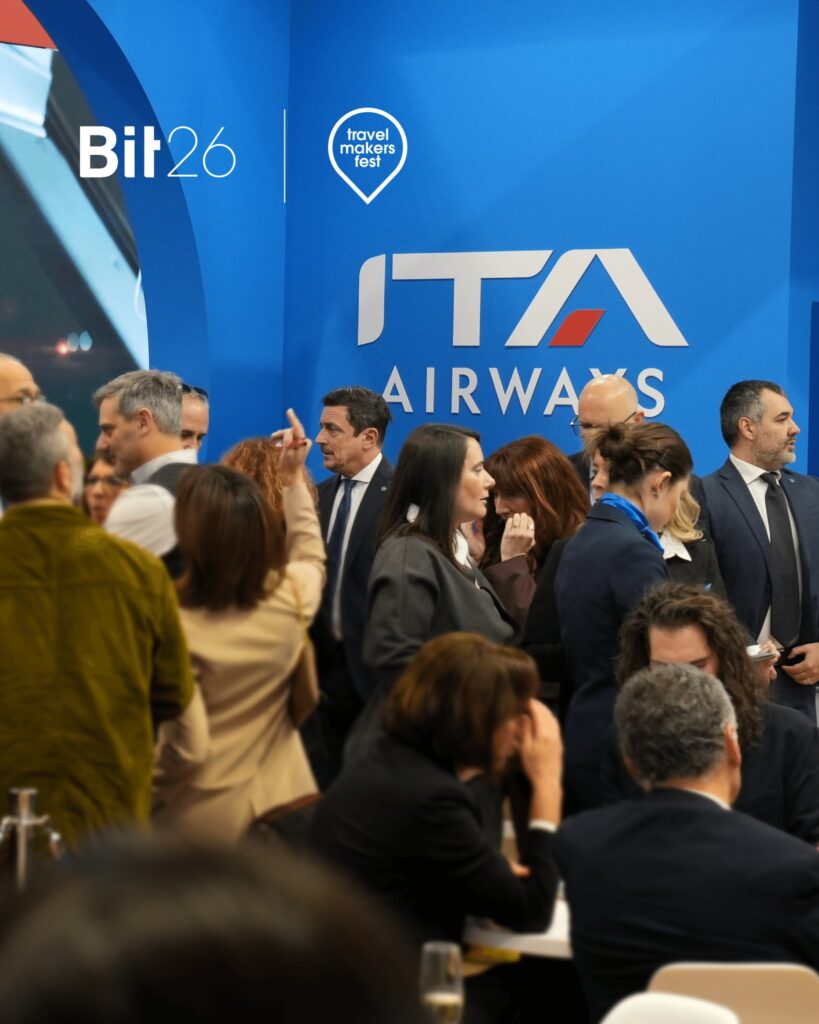
Examples such as ITA Airways demonstrate how AI can directly improve operational
efficiency. The introduction of generative AI-based customer service systems has
reduced request handling times by 80%. In Veneto and Lombardy, ahead of the
Olympic Games, Smart Concierge platforms integrate airport and rail data to offer
digital multimodal itineraries, used by 72% of younger visitors, according to the
Milano-Cortina 2026 Digital Impact Report.
For SMEs, solutions developed by companies such as Blastness and Titanka!
enable independent hotels to increase direct bookings by 25%, reducing reliance
on OTAs. Experiential tourism is also evolving: the Parmigiano Reggiano
Consortium uses blockchain and augmented reality to enhance dairy visits, recording
a 45% increase in digital engagement among younger audiences.
Internationally, several destinations are using technology as a structural lever to
redesign the travel experience across the entire customer journey. In Singapore, the
“face-to-gate” system developed by Singapore Airlines in partnership with Changi
Airport allows around 90% of passengers to complete check-in and boarding
without physical documents, meeting younger travellers’ expectations for speed,
seamlessness and frictionless travel.
South Korea represents one of the most advanced examples of a Smart Tourism
City. By integrating ultra-high-speed networks, extended reality and biometric
services, destinations such as Seoul allow visitors to access digital payments, real
time AI translation and historical reconstructions layered over physical
locations. According to the Korea Tourism Tech Report 2026, 78% of international
visitors use the official app during their stay, effectively removing linguistic and
operational barriers.
In Egypt, the digitalisation of cultural experiences has become central at high
traffic sites. At the newly opened Grand Egyptian Museum and across the Giza
Plateau, AI-powered holographic guides interact with visitors in more than 50
languages, while big data systems monitor crowd levels in real time. This has reduced
waiting times by 30% and significantly improved digital sentiment among
international travellers.
Against this backdrop, BIT 2026 positions itself as a unique platform capable of
combining content and business. The ideas explored in the Travel Makers talks
extend into the exhibition area, where brands and operators turn trends and
inspiration into tangible market solutions. This ongoing dialogue between insight and
offer is where the major revolution of digital transformation, innovation and technology
takes shape – translating into concrete strategies and solutions for the travel industry
of tomorrow.
BIT 2026 and the Travel Makers Fest will take place at Fiera Milano from Tuesday
10 to Thursday 12 February.
BIT 2026 addresses a central question for a rapidly evolving travel industry: what does
today’s travel sector need to create value? The event offers a professional platform
where the industry meets not only to do business but to build meaningful content,
networks, and insights. By integrating networking, knowledge-sharing, and an
exhibition, BIT seeks to generate value across the tourism supply chain, connecting
operators, destinations, institutions, and new professional profiles—the community of
Travel Makers: all those who design, tell, develop, and experience travel through
skills, ideas, stories, and narratives.
The Travel Makers Fest is the cultural heart of BIT, a format of talks and discussions
exploring tourism as a complex ecosystem where sustainability, mobility, culture,
technology, and events intersect. Experts, academics, and industry leaders engage
in dialogue on trends and case studies, creating shared value before, during, and after
the event.