
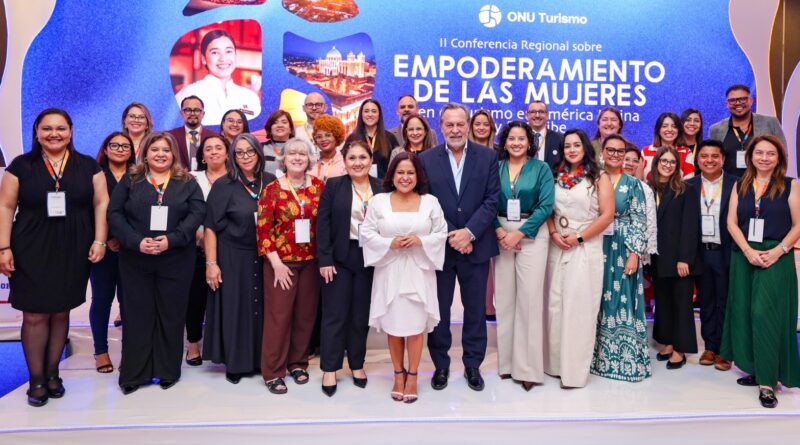
Women Driving the Future of Tourism in San Salvador
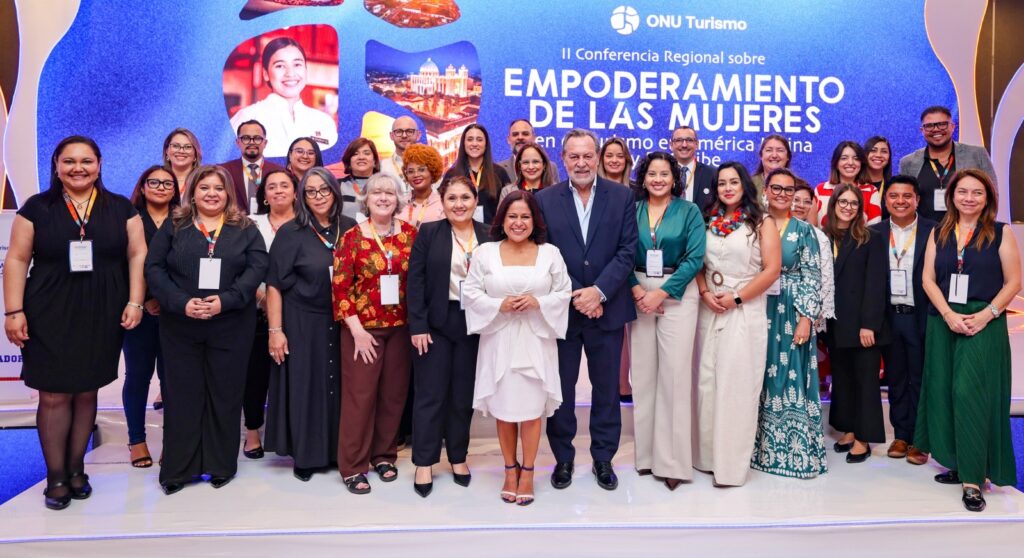
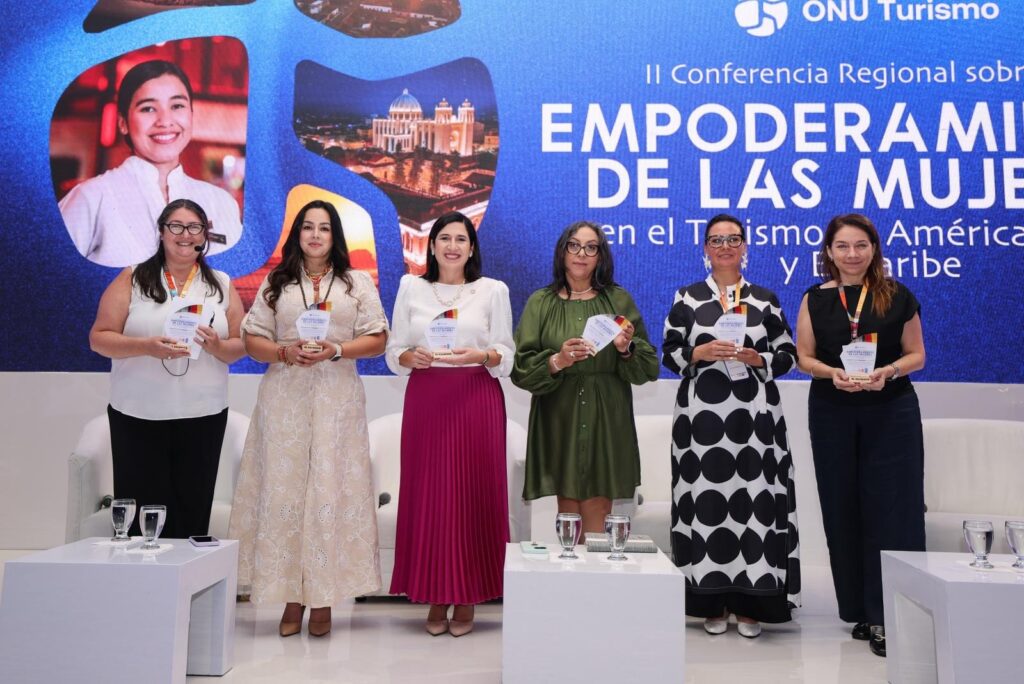
San Salvador has emerged as a focal point for discussions on gender equality and inclusive economic growth within the tourism sector. A recent event, led by UN Tourism in collaboration with the Ministry of Tourism of El Salvador, highlighted the critical role of women in shaping a more equitable, resilient, and sustainable tourism economy.
The day’s program centered on the theme “Women Who Move the Economy,” bringing together policymakers, industry leaders, and practitioners to examine how female leadership can transform tourism at both local and national levels.
Key Themes from the Dialogue
Throughout the sessions, three core priorities defined the conversation:
- Strengthening female leadership in tourism, ensuring women occupy decision-making roles across public and private institutions.
- Advancing clear commitments to gender equality, embedding fairness and inclusion into tourism policies and business practices.
- Creating safer destinations and workplaces, so that both women workers and female travelers can participate in tourism with confidence and dignity.
Participants shared compelling testimonies demonstrating that inclusive tourism is not only desirable but achievable when women are meaningfully involved in planning, governance, and investment decisions.

Why Women Matter to Tourism’s Growth
Tourism is one of the most gender-diverse sectors globally, yet women remain underrepresented in leadership positions. The discussions in San Salvador reinforced that when women lead, destinations tend to adopt more people-centered, community-driven, and socially responsible approaches to development.
By integrating women’s perspectives into strategy and policy, destinations can foster safer environments, stronger local economies, and more sustainable tourism models.
UN Tourism’s Ongoing Commitment
UN Tourism reaffirmed its dedication to promoting inclusive policies, building strategic alliances, and expanding opportunities for women across the tourism value chain. Through partnerships with governments, educational institutions, and the private sector, the organization continues to advocate for a tourism ecosystem where women are recognized as key drivers of economic and social progress.
Looking Ahead
The San Salvador dialogue signals a broader shift in how the industry views gender equity—not as an ancillary issue, but as a central pillar of sustainable tourism. As more destinations embrace this vision, women will increasingly shape the future of global travel, ensuring that tourism benefits both communities and visitors alike.