

20 Best Photo Spots in Buenos Aires + Photography Tips
By Lasma Plone
Wondering where to take photos in Buenos Aires? You are in the right place! I will help you discover the best photo spots in Buenos Aires and make sure you get some wonderful Buenos Aires postcards.
Buenos Aires is one of the most photogenic cities in South America with its European-style architecture, colorful neighborhoods, artistic corners, and elegant charm. This is why you want to bring your camera and take some epic photos during your trip.
My guide of the best photo spots in Buenos Aires is going to ensure that you don’t miss a single photo opportunity! I will share additional photography tips, the best time to see these places without crowds, and help you with picking out the right lens. Let’s get started!
20 most Instagrammable places in Buenos Aires
1. El Ateneo Gran Splendid
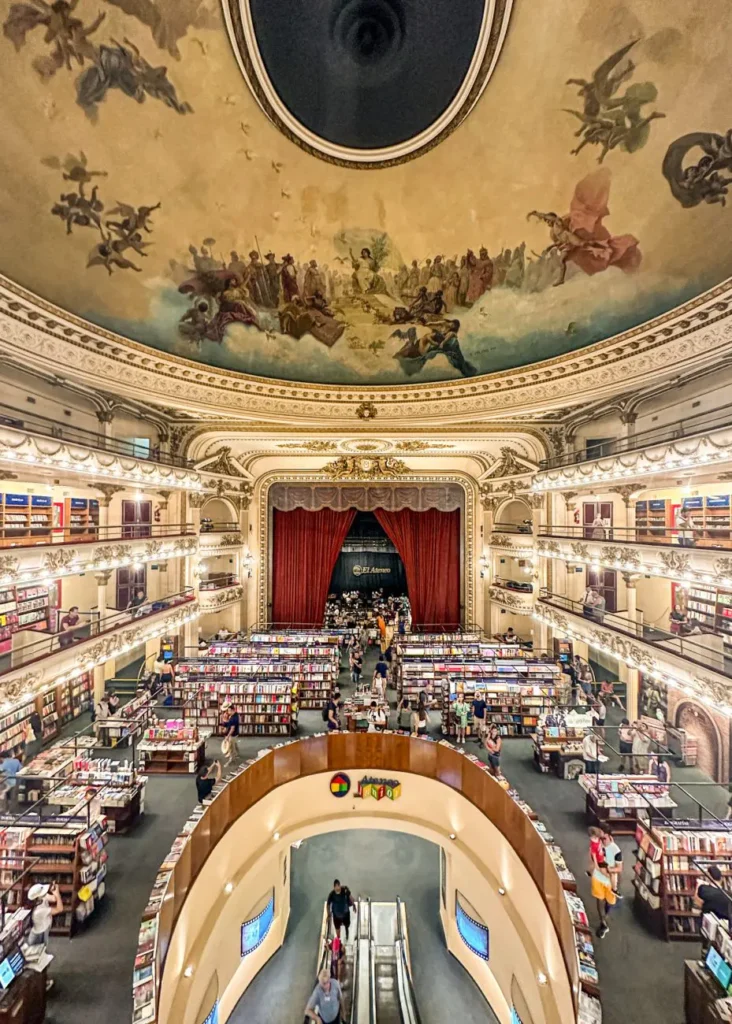
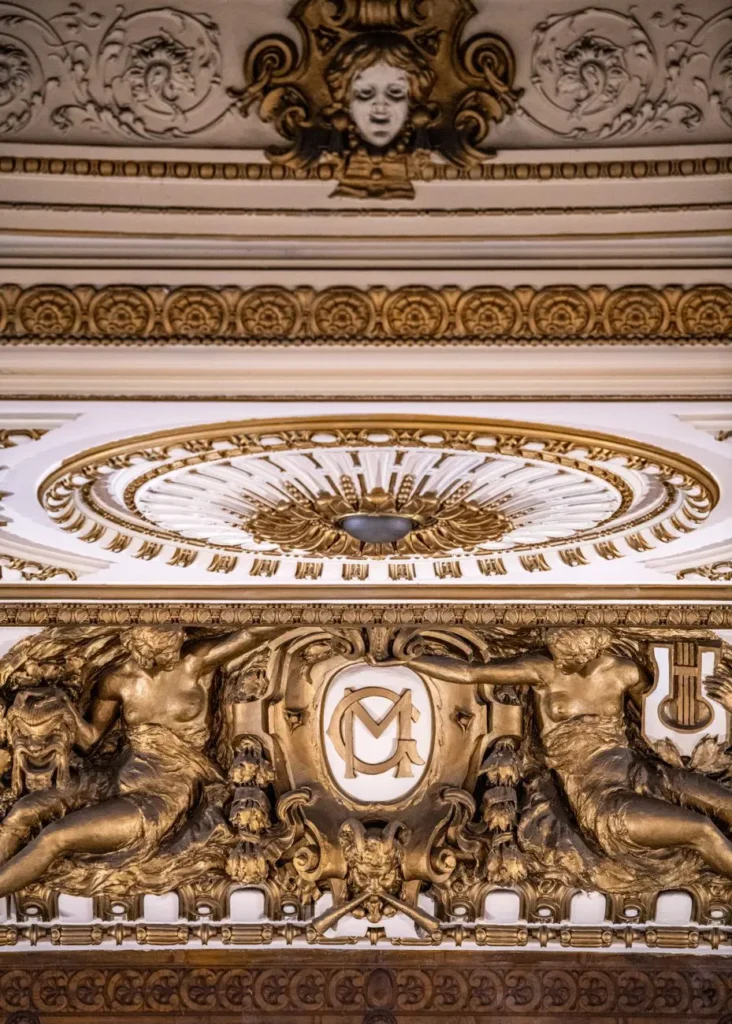
According to The Guardian, El Ateneo Grand Splendid is the second-best bookstore in the world, making it an absolute must among Buenos Aires photo spots. The venue retains its original theater charm, with frescoes, elegant balconies, and a stage now used as a cozy café.
Inside, you’ll find unique design details, an extensive selection of books in various languages, and unique souvenirs. If you want to relax, you can sit down with a book and enjoy a coffee. El Ateneo Grand Splendid is also the perfect spot to get in touch with the local culture.
It’s one of the most photographed places in Buenos Aires for good reason. Head to the top floor for a wide-angle view of the entire space.
It is open from Monday to Saturday from 9 am to 9 pm and on Sunday from midday to 9 pm. If you want to avoid crowds, visit at the opening time or later in the day before closing time. Entrance is free, but it is a great place to get a unique souvenir from Buenos Aires.
2. Caminito
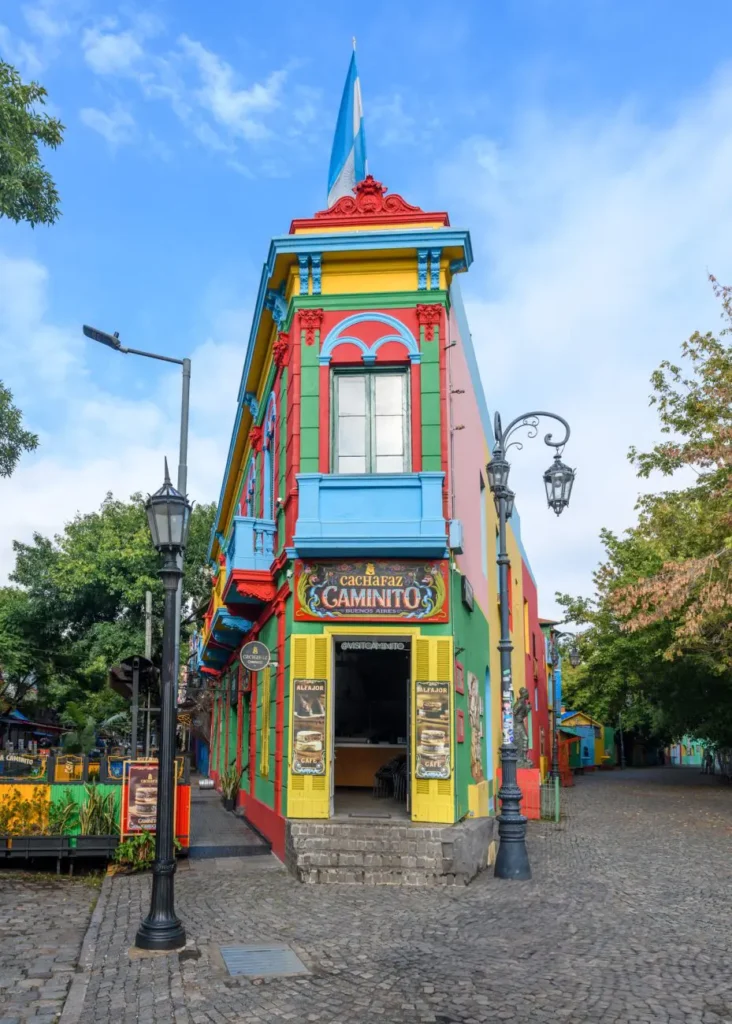
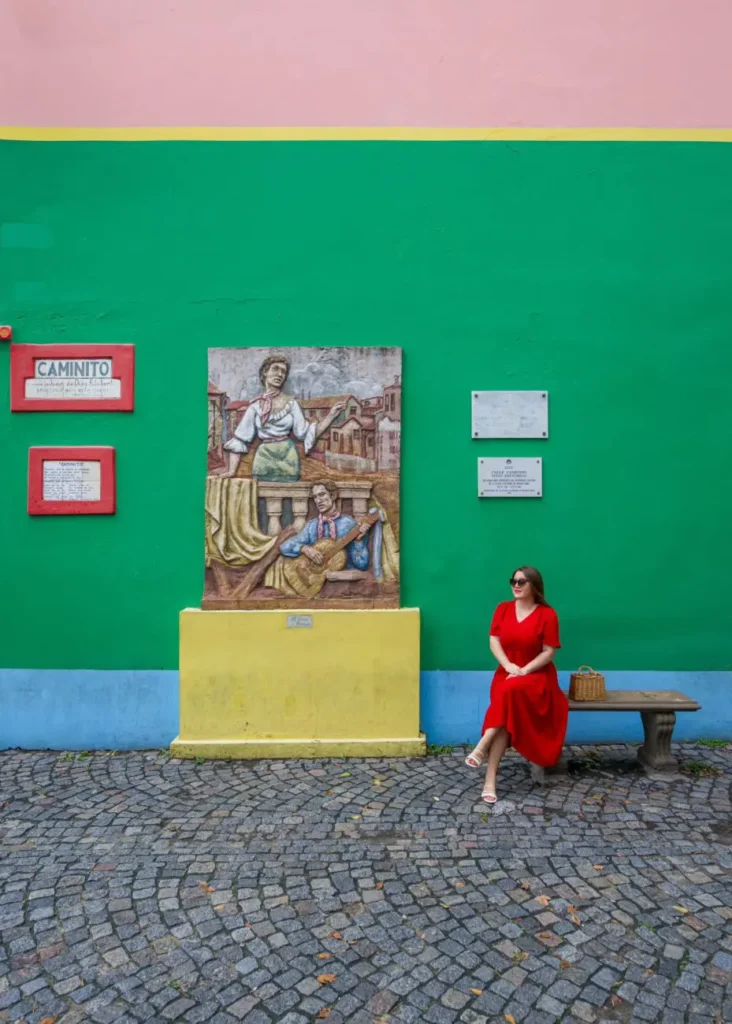
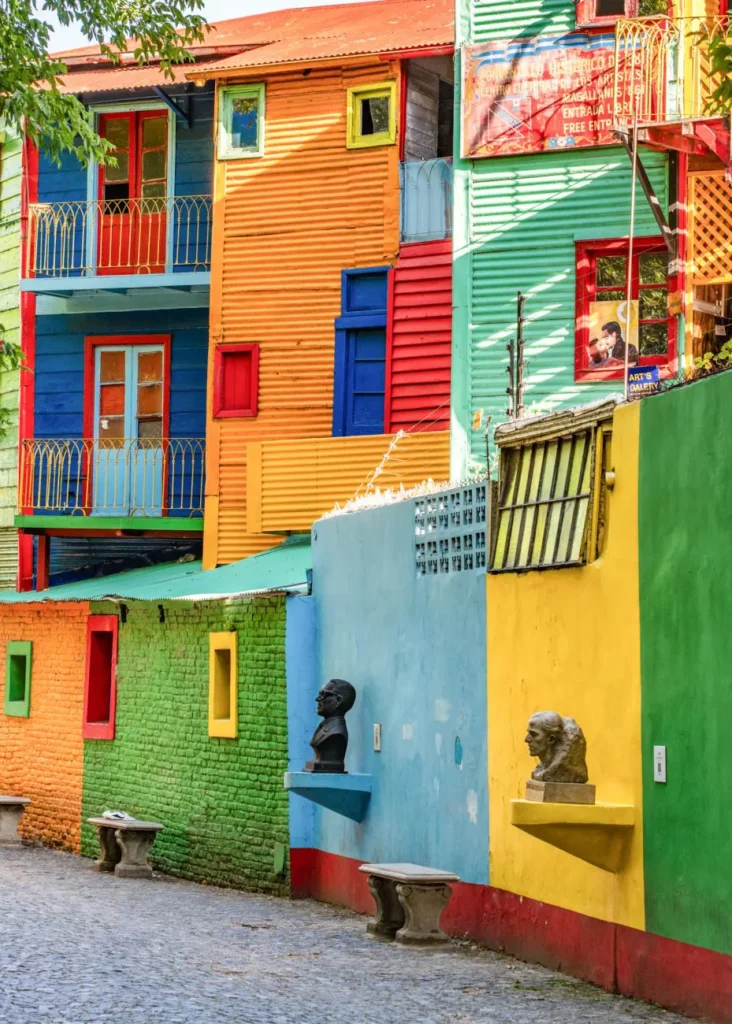
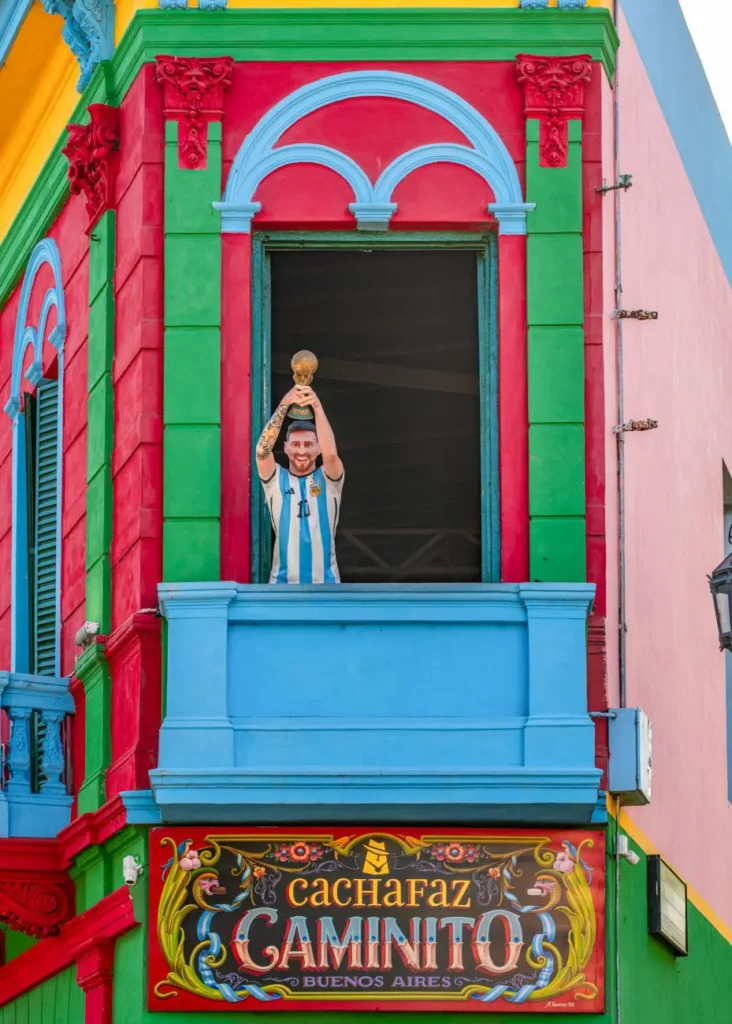
I am sure you have seen some pretty amazing colorful photos from Buenos Aires and most of them are from El Caminito in La Boca. El Caminito, which means “little walkway” in Spanish, is a short pedestrian street bursting with color, history, and culture.
Once a humble alley, Caminito became famous for inspiring the classic tango song. Today, it’s one of the most photographed places in Buenos Aires. Quirky sculptures, tango dancers performing on the street, and live music from nearby cafés give it an energetic, theatrical vibe.
I recommend you start with Cachafaz Caminito, walk Calle Caminito until you reach Calle Garibaldi, and take a walk on the Magallanes. Don’t miss Patio Quinquela and Centro Cultural de Los Artistas.
Once you have made a round, it is time to stop at La Perla for breakfast and coffee. I would recommend walking until El Rincón de Lucia and checking street art around you. If you have more time, consider visiting the Historical Wax Museum and Benito Quinquela Martín Museum.
Football lovers will enjoy the walk until Estadio Alberto J Armando, which is a famous soccer stadium known popularly as La Bombonera, home of Argentina’s Boca Juniors. There is a lot of iconic street art on the way to the stadium.
I have to say that there is no need for an early wake-up call when it comes to visiting El Caminito. Most places open between 9 am and 10 am, but before that, it is pretty much a ghost town which totally takes away the vibe of the place.
Also, everything closes down around 6 pm, because El Caminito is not the safest place once the sun sets, so I would recommend coming at 9 am, getting some of the iconic Caminito photos, stopping by for coffee, visiting some of the shops and end with a lunch at the El Gran Paraiso.
3. Teatro Colón
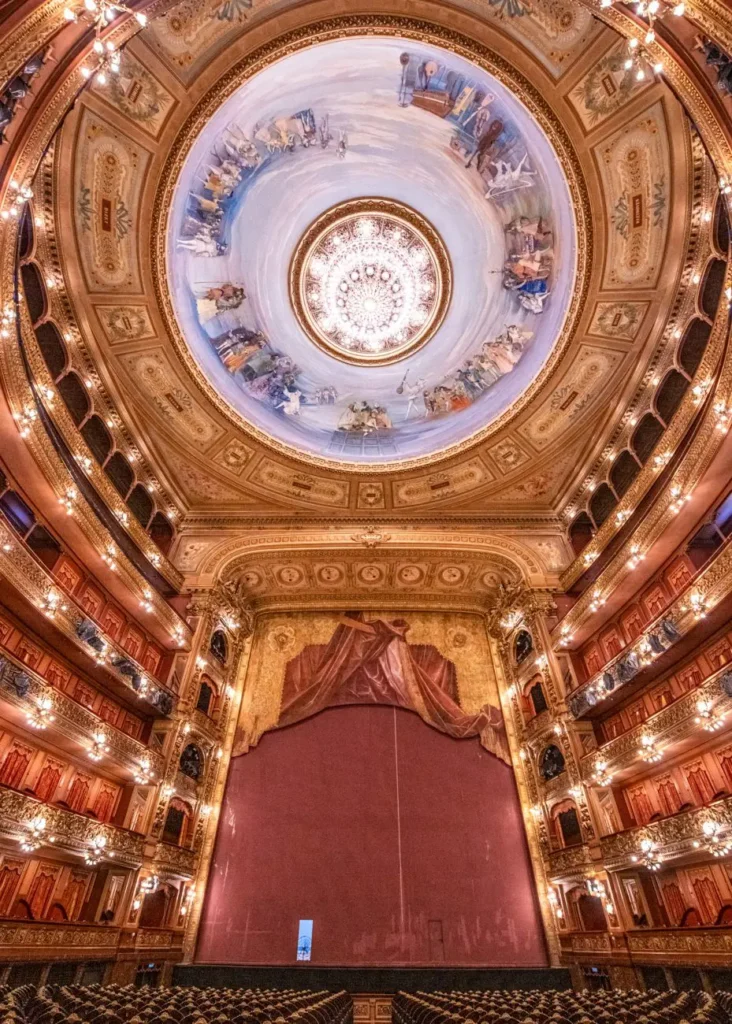
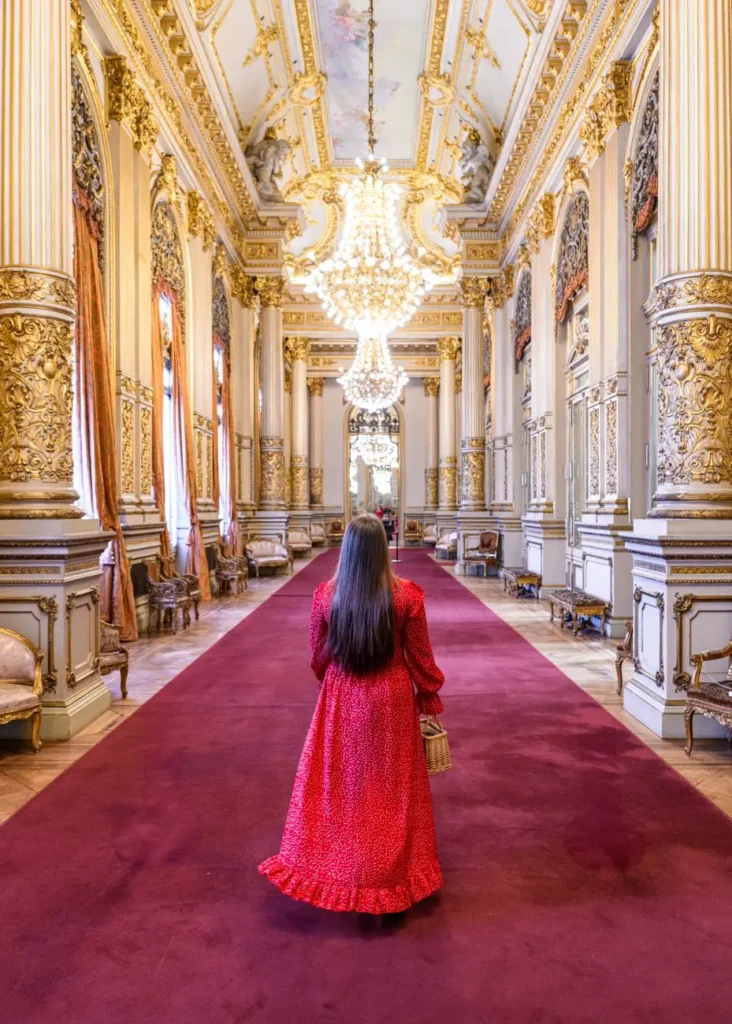
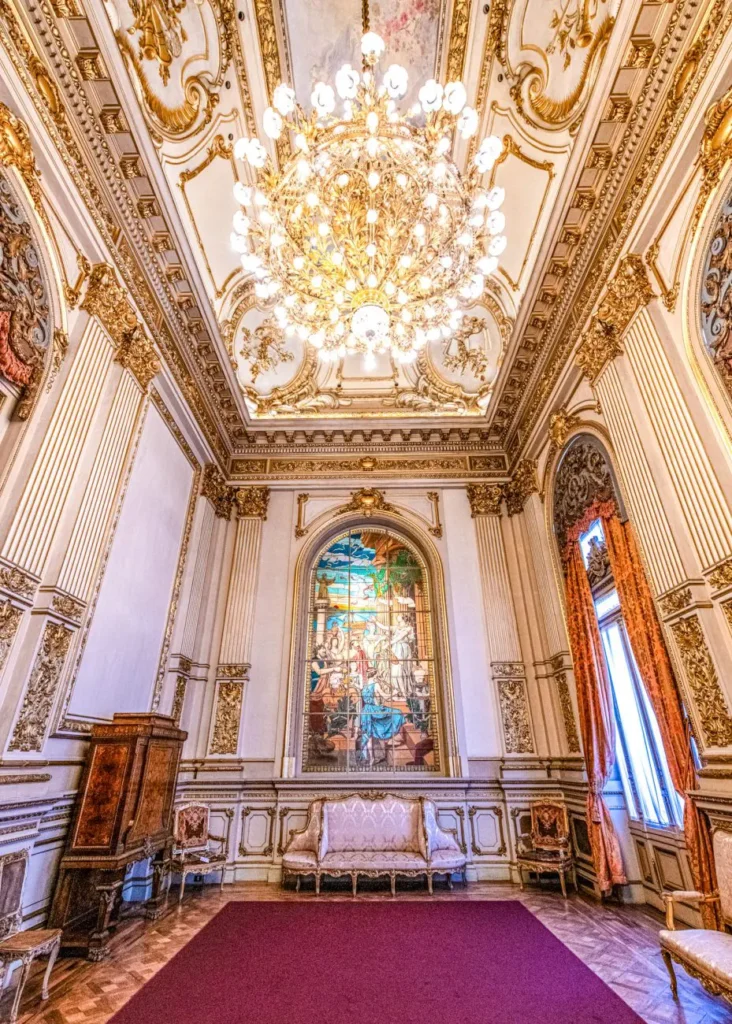
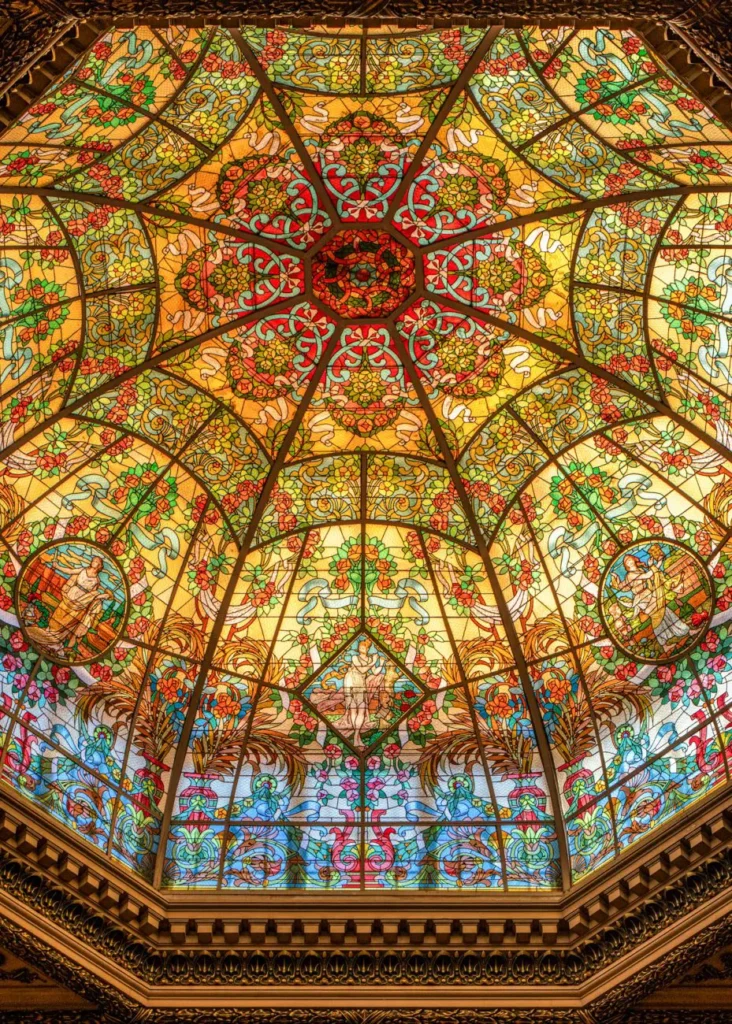
Teatro Colón is one of the most important cultural landmarks in Buenos Aires and is widely recognized as one of the most beautiful opera houses in the world. Opened in 1908, it has hosted world-class performers like Luciano Pavarotti, Maria Callas, and Plácido Domingo.
The main concert hall is breathtaking, with its horseshoe shape that enhances sound quality, making it famous for its acoustics. The design features gold leaf, red velvet drapes, and grand crystal chandeliers. It can seat over 2,400 guests and feels like stepping back into an era of elegance.
If you’re interested in Buenos Aires photography, this is one of the best photo spots in Buenos Aires. A guided tour gives you access to the balconies, the stage, and even the underground rehearsal rooms. You’ll also see where costumes and set designs are created.
During the guided tour, you will have plenty of time for photography, however, I recommend staying at the beginning or the end of the group, this way you can avoid people in your shots. Also, if you have to pick just one lens, make it a wide-angle lens.
4. Palacio Barolo
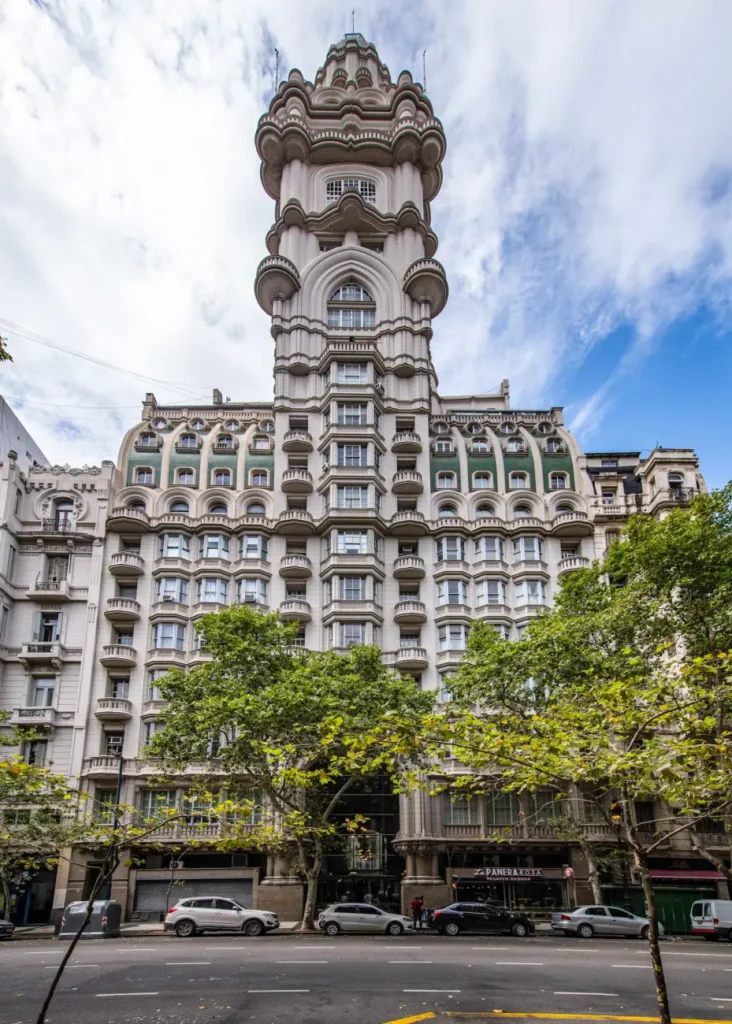
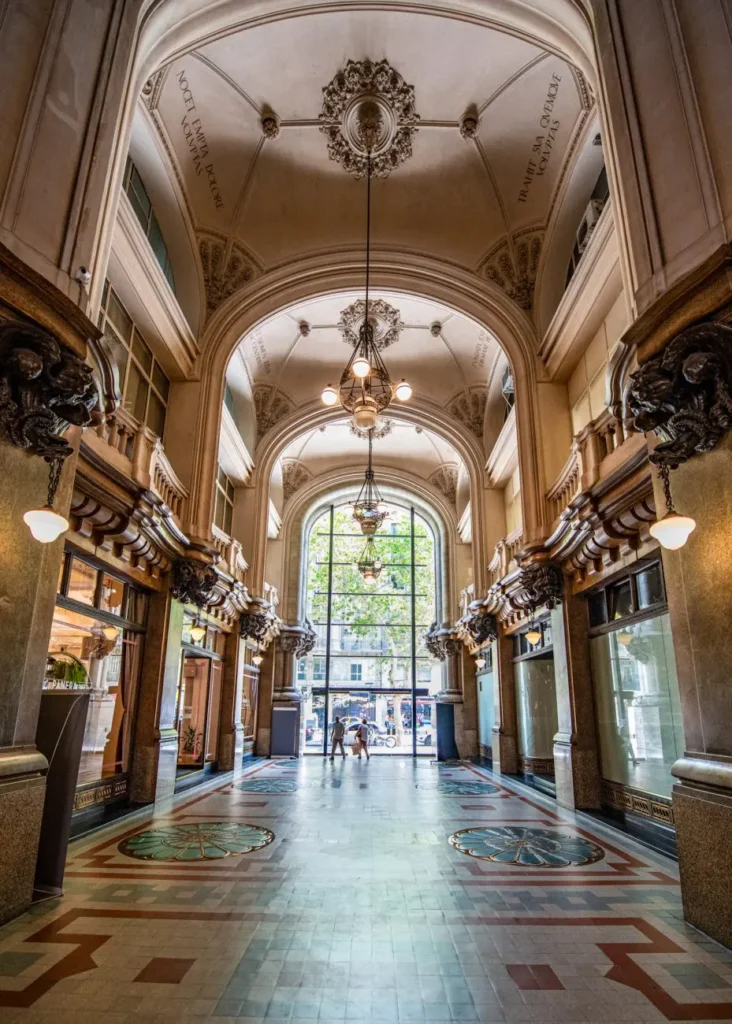
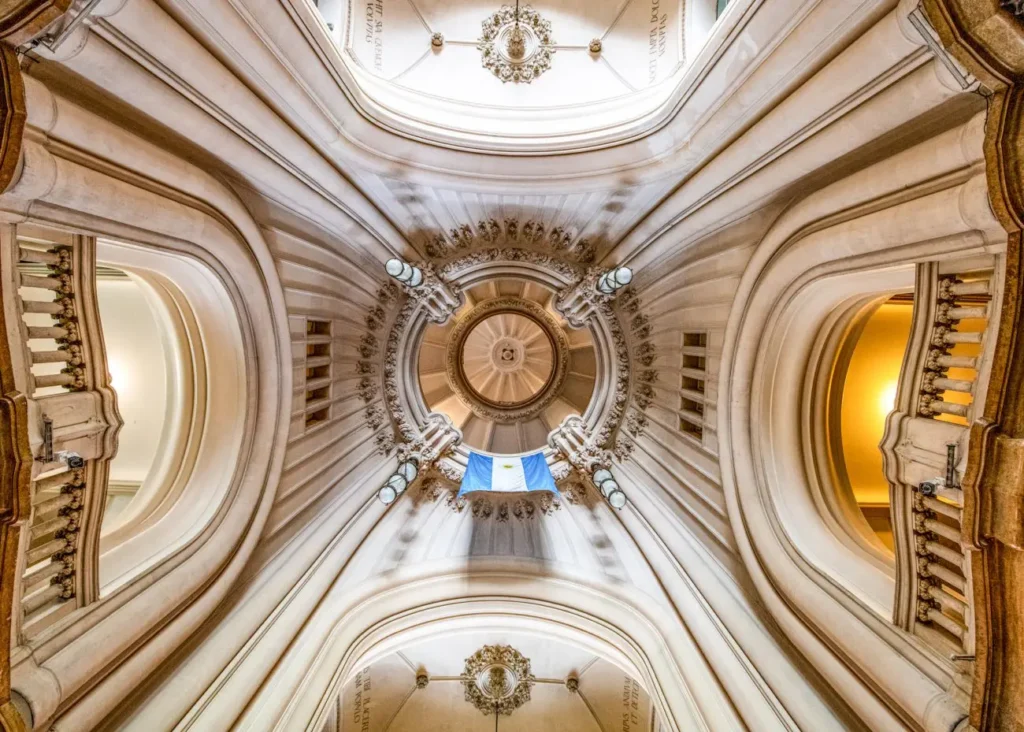
Palacio Barolo is one of the most famous and unique photo spots in Buenos Aires, known for its architectural symbolism and striking design.
Located on Avenida de Mayo, the palace was inspired by Dante Alighieri’s Divine Comedy. The building is divided into three parts: Hell, Purgatory, and Paradise, mirroring the structure of Dante’s poem.
Honestly, this palace is completely breathtaking, so photo opportunities are endless. But the best is located on the top of the palace, where you can admire some of the best views of Buenos Aires.
Keep in mind that while this is a top Buenos Aires attraction, it is not suitable for visitors with mobility issues. Comfortable shoes are recommended. If the tour isn’t for you, you can still admire the building from the street.
5. National Library of Teachers – one of the hidden photo spots in Buenos Aires
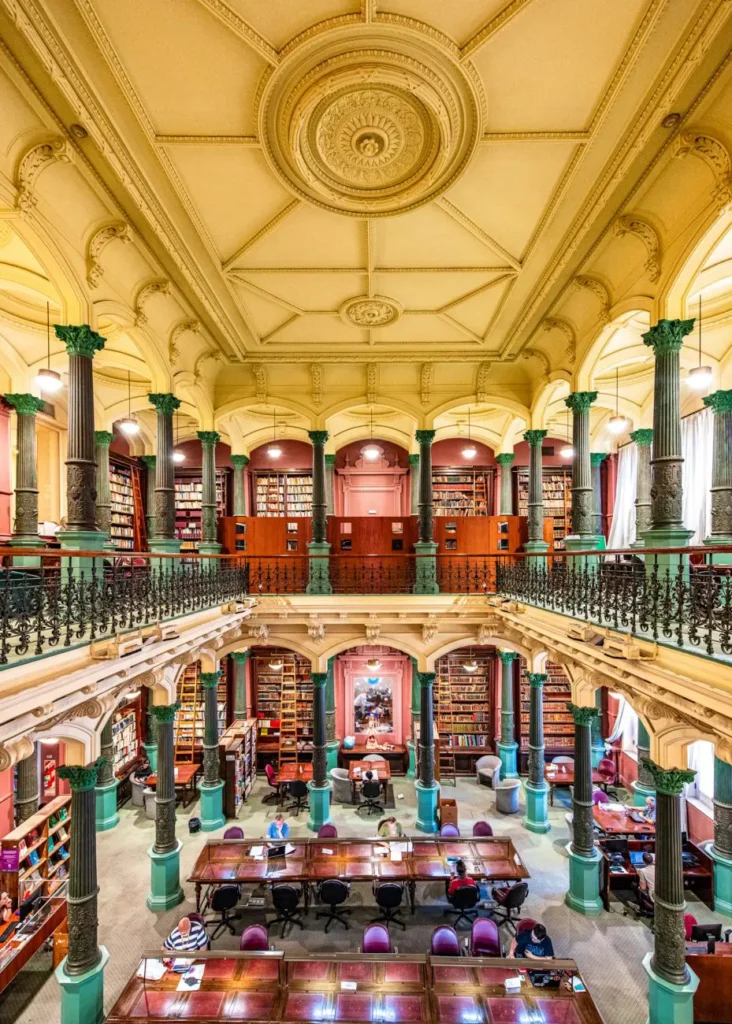
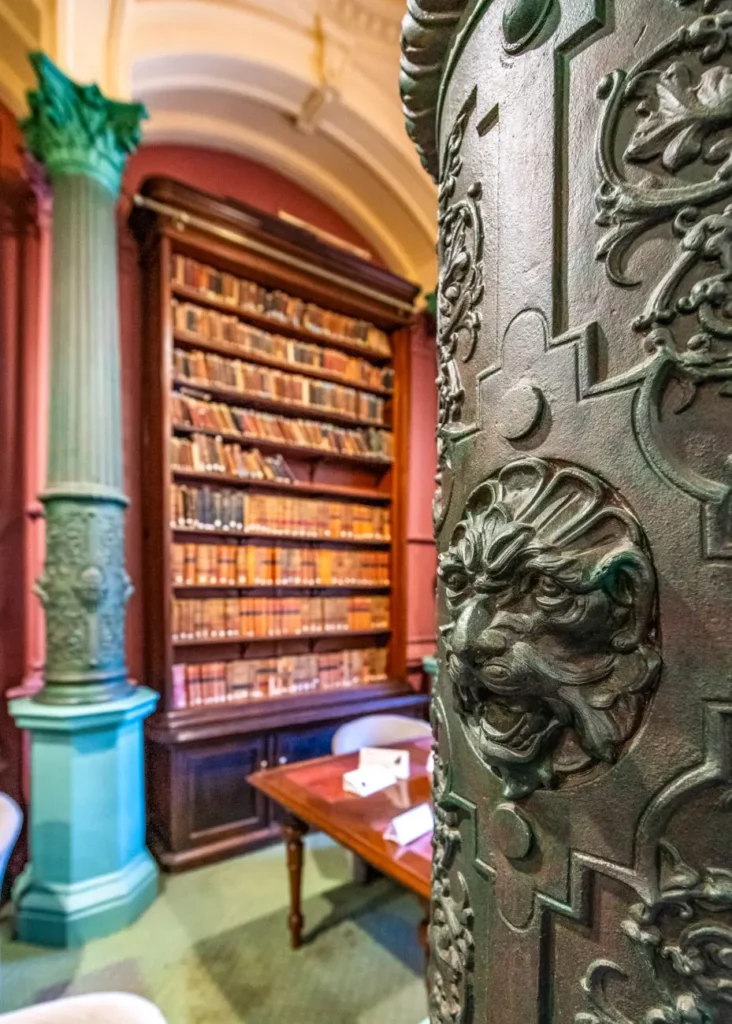
Tucked away in Recoleta, the National Library of Teachers is one of the most underrated and hidden photo spots in Buenos Aires.
Stepping inside feels like entering another world. Its art deco staircases, worn wooden furniture, and vintage decor offer a quiet, nostalgic charm. In case you are a book lover, this should be on top of your list as it can easily compete with El Ateneo Gran Splendid.
You won’t find this location on other Buenos Aires guides, so there are not many tourists around, but it is still a public library and you will find a lot of locals going there to study. Photography is allowed, but as you can imagine you should keep it quiet and respectful.
When it comes to equipment, you will want to bring a wide-angle lens and maybe another telephoto lens in case you want to focus on the beautiful details of the National Library of Teachers.
It is open on weekdays from 9 am to 8 pm and on Saturdays from 9 am to 5 pm. The entrance is free, but you will need to go through a quick security check upon entrance.
6. Plaza Dorrego
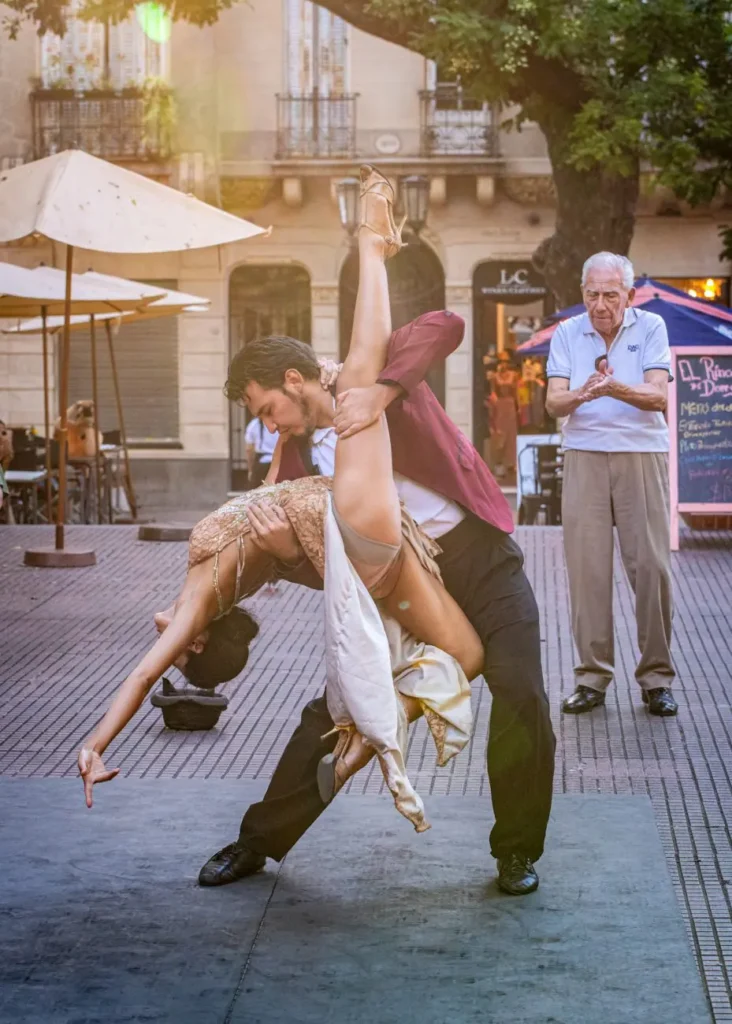
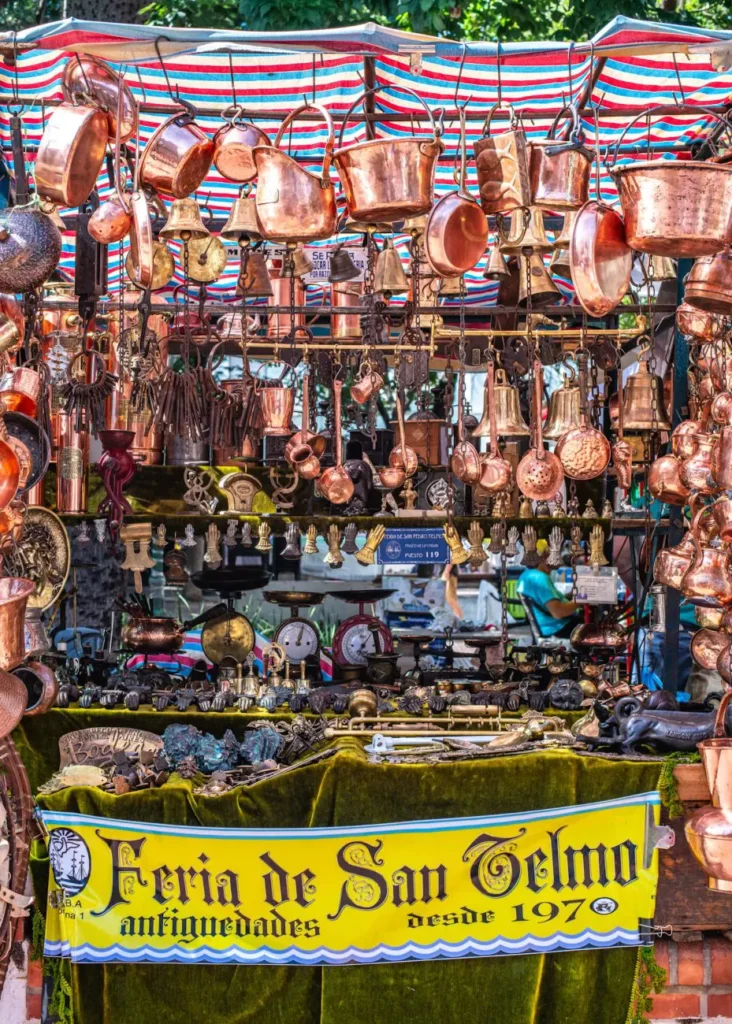
Plaza Dorrego is one of the most charming and historic squares in Buenos Aires. It sits in the heart of San Telmo, a neighborhood known for its colonial buildings and bohemian vibe. The plaza is small but full of people enjoying coffee, tango, and people-watching.
The square dates back to the 18th century and still holds traces of old Buenos Aires. Many of the buildings around it are centuries old, now home to cafes, bars, and antique shops. The atmosphere feels frozen in time.
On Sundays, the square transforms during the San Telmo Market. Antique dealers, street performers, and artists fill the plaza and nearby streets. You’ll find everything from vintage cameras to handmade jewelry. The sound of tango music fills the air, and dancers perform in the middle of the square.
On weekdays, the area has a relaxed, old-world feel. People sip wine at sidewalk tables, dogs nap in the sun, and musicians play on corners. While there is no set schedule, this is one of the best places to see tango in Buenos Aires. There is not a particular attraction that stands out, but it is a perfect place to photograph the vibes of Buenos Aires and experience the essence of Argentina. I am sure you will want to hang around even after you have got all the beautiful Buenos Aires postcards.
7. Casa Ezeiza
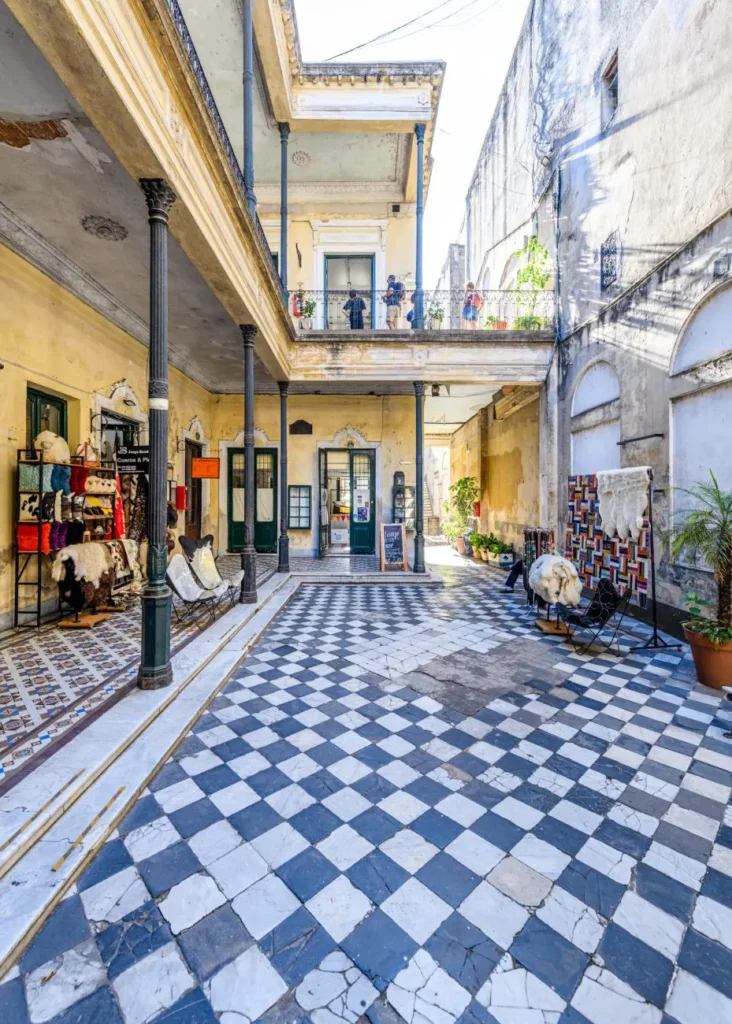
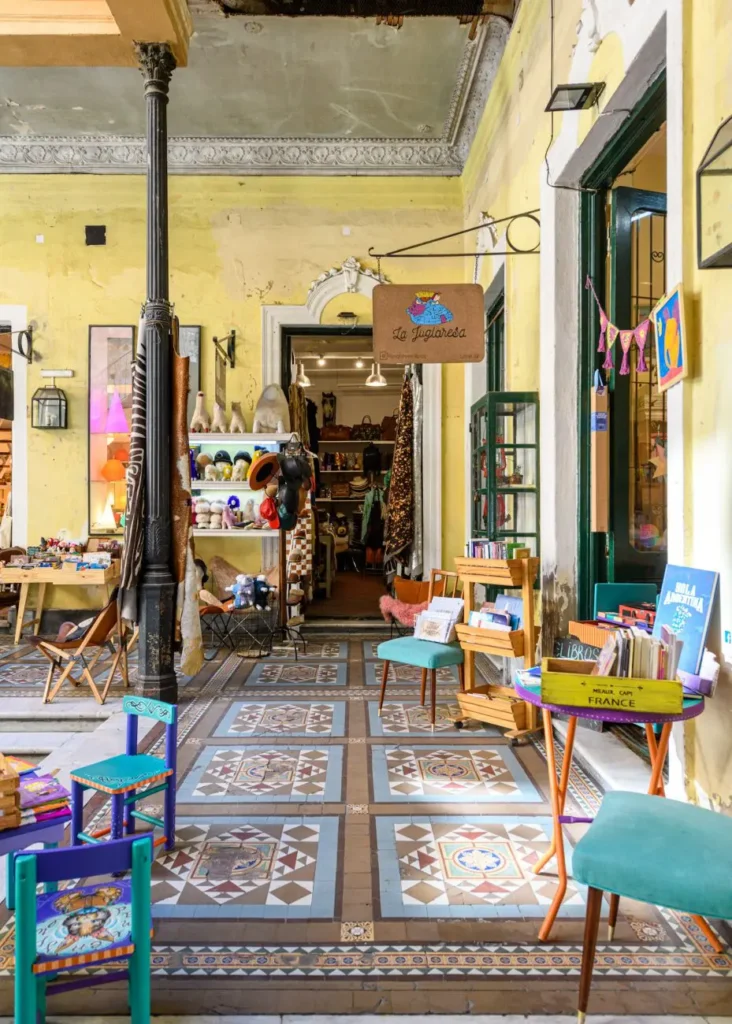
If you’re wondering where to take photos in Buenos Aires and love colonial architecture, make sure to check out Casa Ezeiza in San Telmo. It was originally built in the 1870s as a home for the Ezeiza family, and it still holds so much charm.
From the outside, it doesn’t look like much. But once you step through the gate and into the patio, you’ll see why it’s worth the stop. The colonial courtyard, the tiled floors, and the old columns make it a dream for anyone into architecture or just looking for a different perspective of Buenos Aires.
What makes Casa Ezeiza special is the mix of art and design boutiques inside. They bring the space to life and give the whole place this creative vibe that works so well with the old building. There are so many little corners and details to photograph.
Casa Ezeiza is open every day except Mondays, from 10 am to 7 pm. Just a heads-up: I once showed up right at 10 am, and it wasn’t open yet, so don’t worry about being there exactly at opening time. This is pretty common around all Argentina.
8. Galería Solar de French.
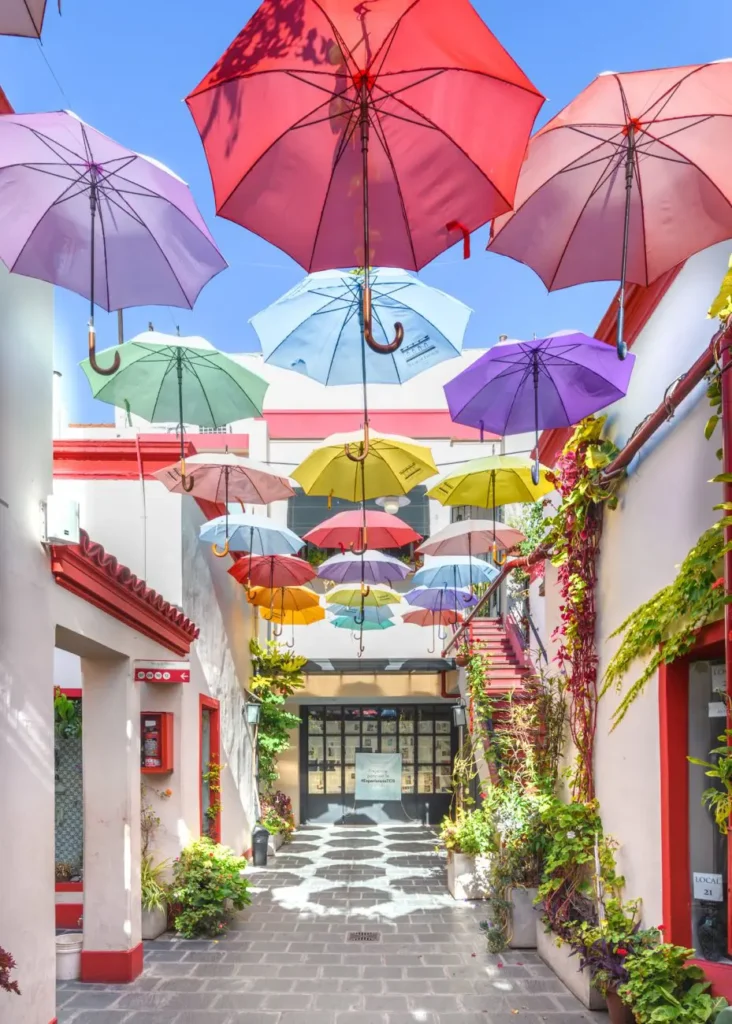
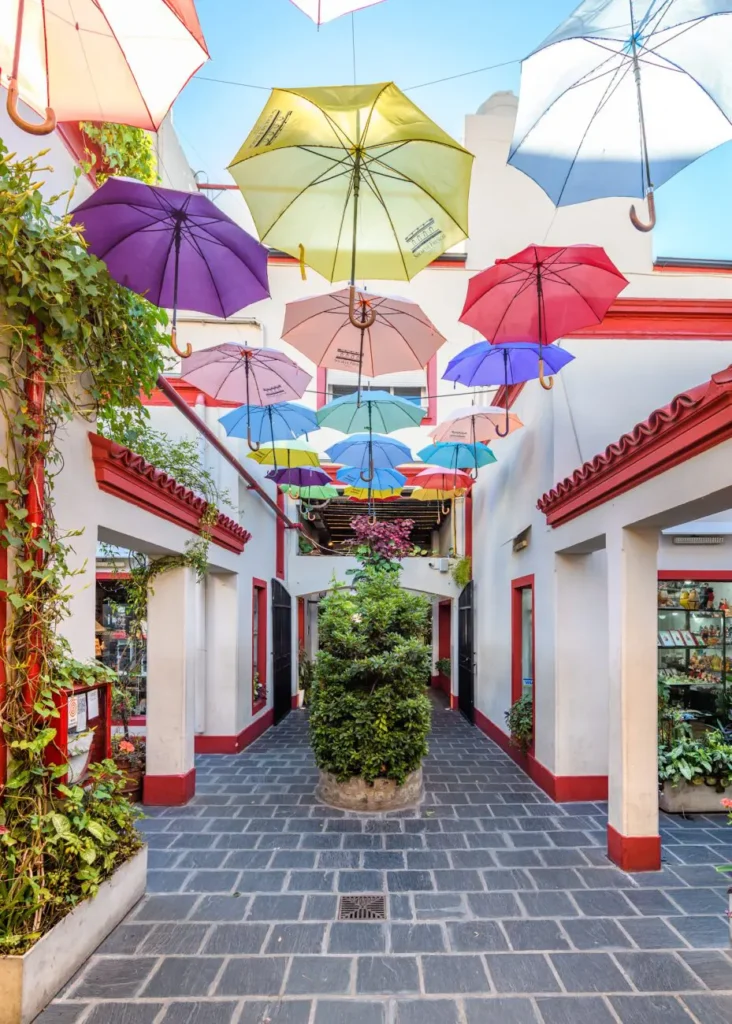
Galería Solar de French is another highlight of San Telmo that you will want to capture. It has gained a lot of popularity, but it is easy to miss unless you come prepared.
This little colonial-style passage sits just off Defensa Street, right in the middle of the action. It used to be the home of Domingo French, one of the historical figures from Argentina’s independence movement. Today, the building has been turned into a calm, open-air arcade full of small local shops.
What I love about this place is the atmosphere. There’s a ceiling of colorful umbrellas overhead, and the space feels quiet even though you’re only a few steps from Plaza Dorrego. Inside, you’ll find artisan jewelry, antiques, and handmade goods.
If you’re exploring San Telmo on a Sunday during the market, definitely swing by. It won’t take long to walk through, but it gives you a glimpse of Buenos Aires that feels more relaxed and personal.
Galería Solar de French is open every day from 10 am to 8 pm. But keep in mind that shop owners are very slow to open up, so at 10 am you could still find it pretty closed. Entrance is free.
9. San Telmo Street Art
No trip to San Telmo is complete without experiencing its iconic street art. While Palermo often gets the spotlight for its murals, San Telmo more than holds its own and definitely deserves a spot on your street art radar.
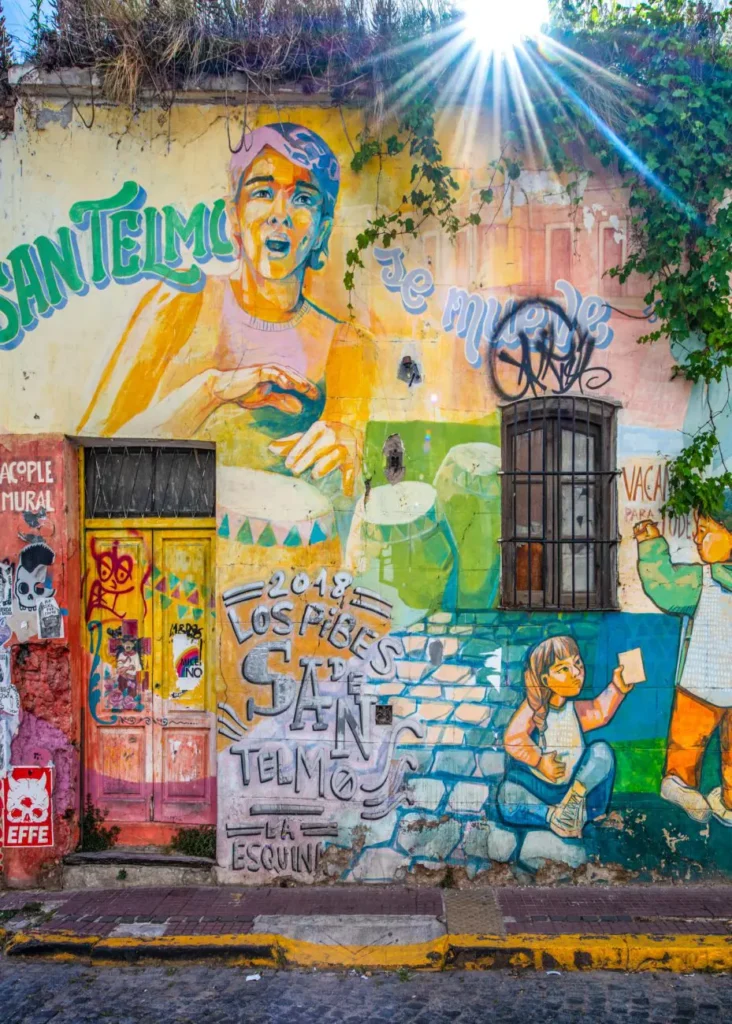
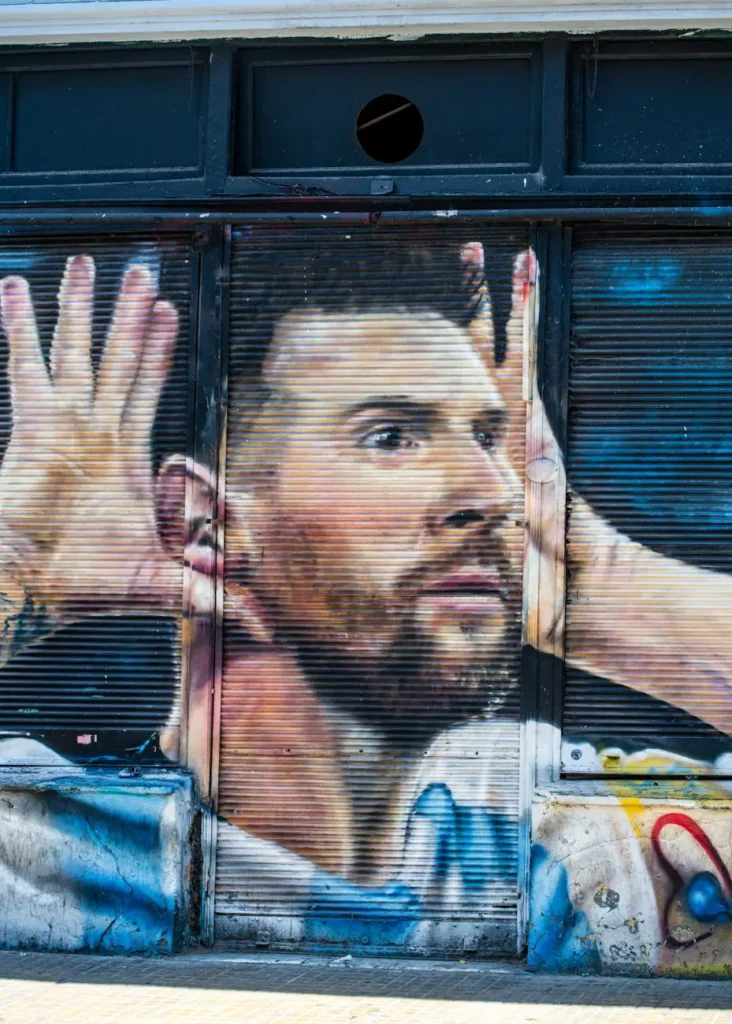
No trip to San Telmo is complete without experiencing its iconic street art. While Palermo often gets the spotlight for its murals, San Telmo more than holds its own and definitely deserves a spot on your street art radar.The street art in San Telmo tells so many stories. You’ll find murals that pay tribute to football legends like Maradona, Messi, and Di María, but there’s so much more. The art also reflects the neighborhood’s history, with pieces that capture the essence of San Telmo, its culture, and its people.
One of the most iconic murals is “Mural Del Barrio para el Barrio,” which really sums up the heart and soul of San Telmo. You’ll also find pop icons like David Bowie, as well as murals with political and social messages. There’s always something new to see, and the art constantly changes.
What I love about San Telmo street art is how scattered it is around the neighborhood. My tip? Just grab your camera, wander the streets, and let yourself be surprised by what you find.
10. Palermo Soho Street Art
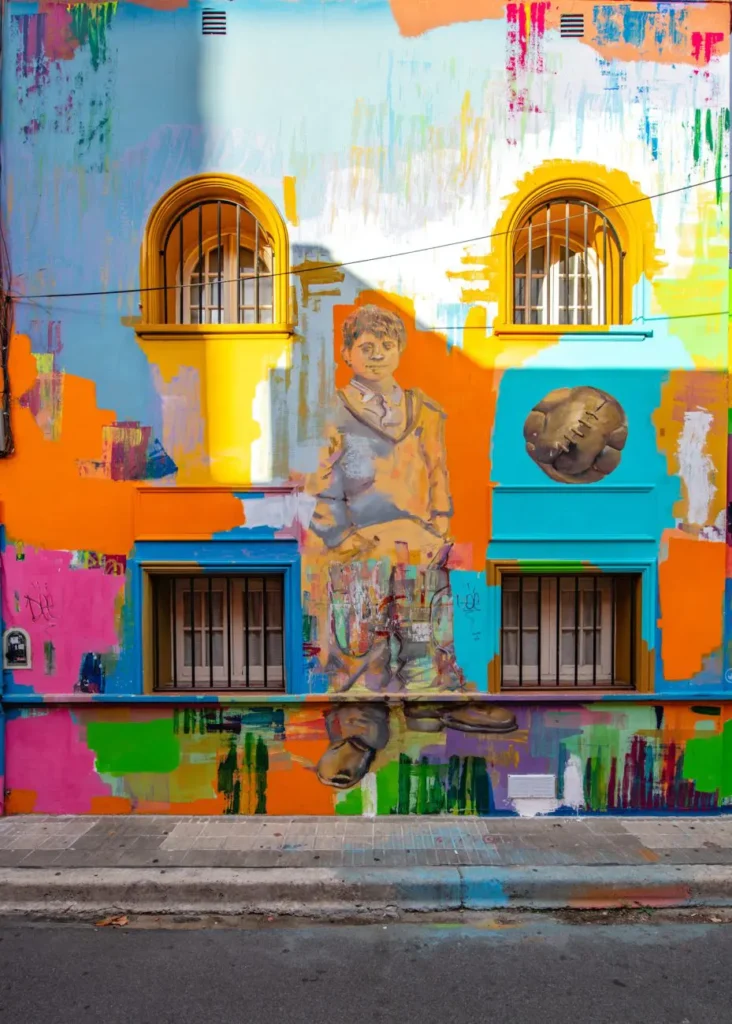
Palermo Soho is one of the best areas in Buenos Aires for street art. It’s creative, colorful, and constantly changing. You don’t need to follow a map, just start walking, and you’ll find murals on almost every block.
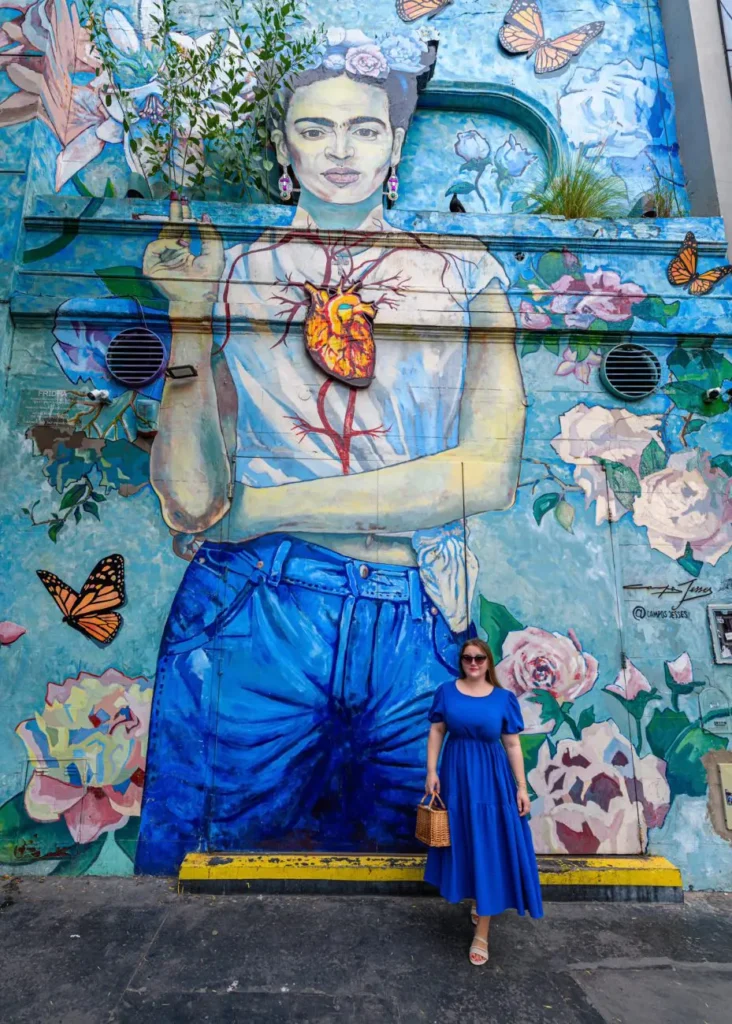
Frida Kahlo Mural on Avenida Dorrego is probably the most iconic mural in the neighborhood. It’s huge, almost 9 meters tall, and it shows Frida with flowers in her hair, holding a cigarette. You’ll find it outside the Frida Club on Avenida Dorrego. Definitely worth a stop.
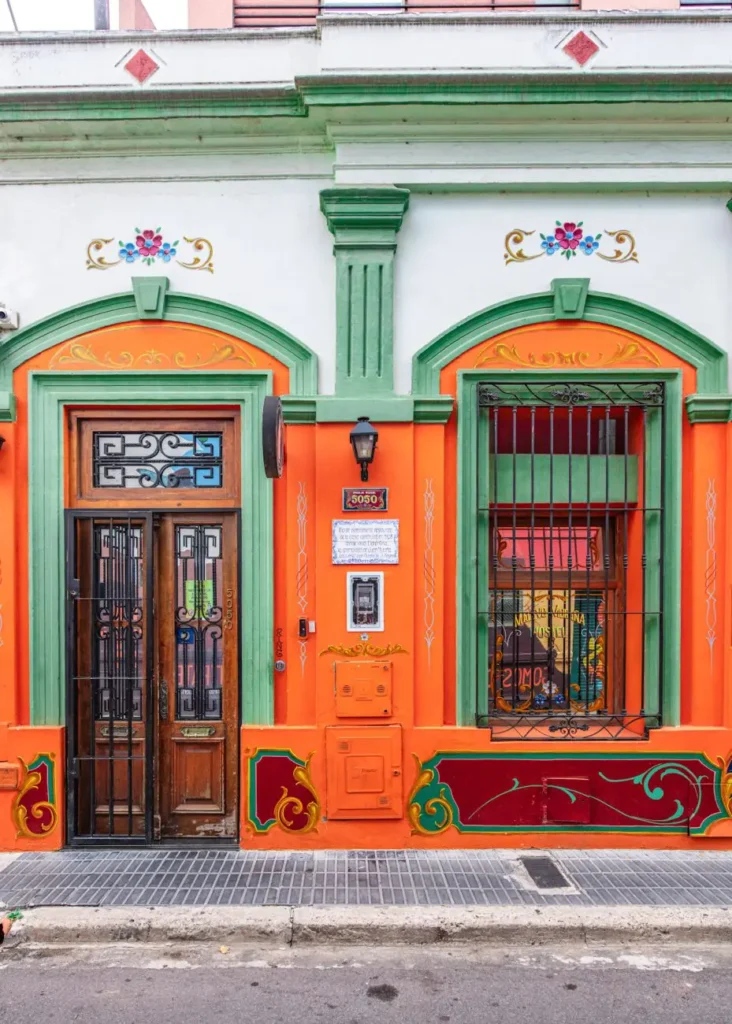
Pasaje Russel is a small alley full of murals. It feels quiet and local, but the art here is big and bold. Some pieces are political, others are just playful and colorful. It’s probably the most popular street in Palermo, making it a must visit photo spot in Buenos Aires.
Post Street Bar is part street art gallery, part bar. The outside is covered in graffiti, and inside you’ll find murals, posters, and more. It’s a cool place to stop for a drink and check out some local art in a more casual setting.
Pasaje de los Murales is a narrow street filled with wall art from top to bottom. It’s a bit tucked away, so it’s easy to miss unless you know how to look for it. But it’s one of the most creative corners of Palermo.
Right in the center of Palermo Soho, Plaza Serrano has murals surrounding the square and on nearby walls. A lot of the bars and shops around the plaza also feature street art, both inside and out. It’s a great place to start or end your street art walk.
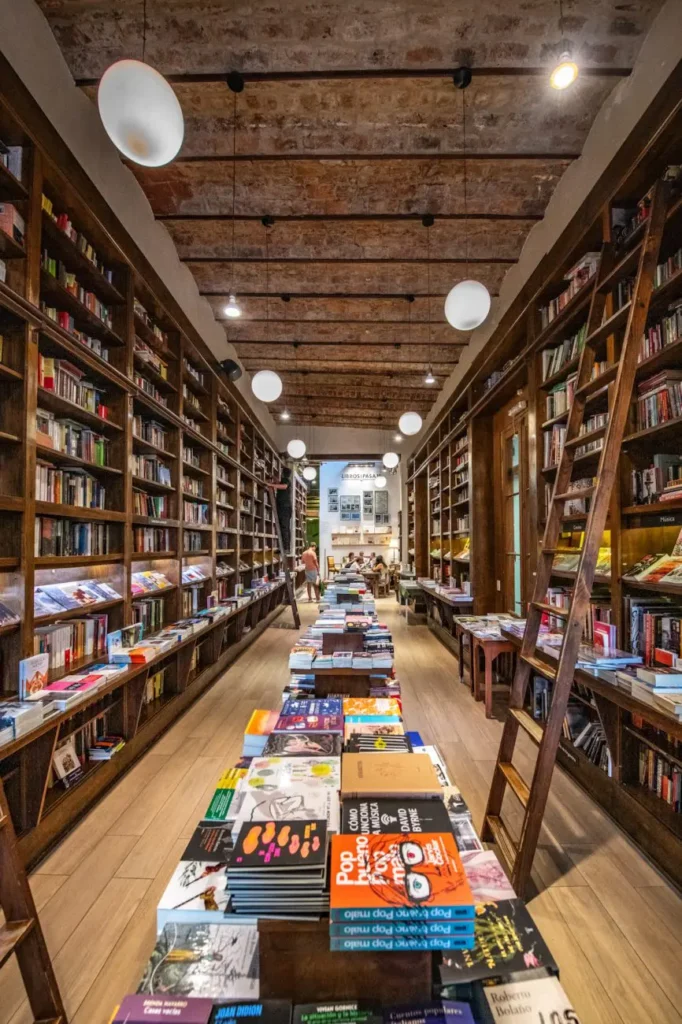
Extra tip! While you are busy snapping photos of street art in Palermo, don’t miss Libros del Pasaje. It is one of the prettiest bookshops in the area! more will be continue ……..