Bangladesh Tourism Vision 2040: Building a Global Destination Through Aviation, Heritage, and Sustainability
Bangladesh Tourism Vision 2040: Building a Global Destination Through Aviation, Heritage, and Sustainability By Phillip Tinubu, MPA
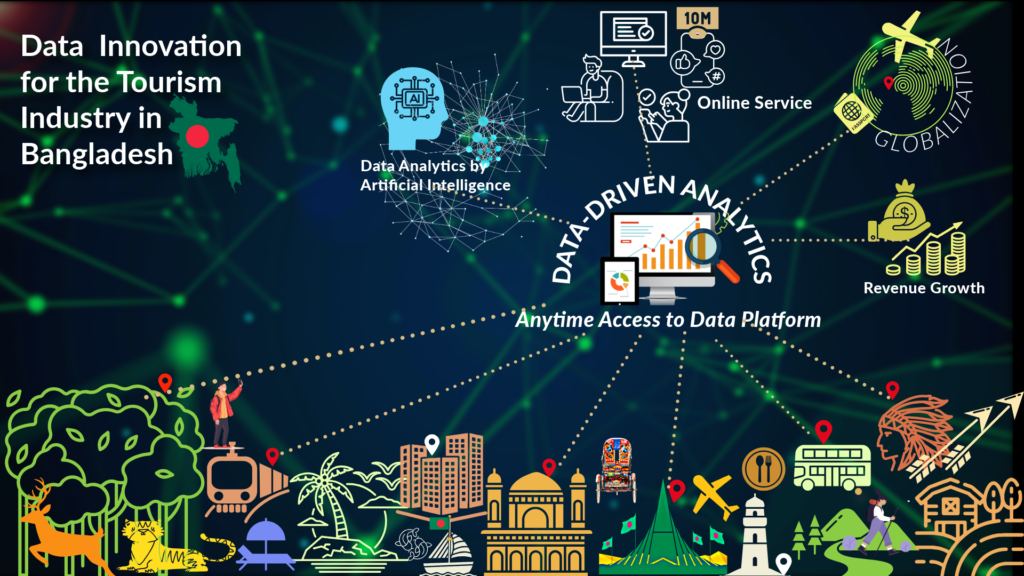
In an increasingly connected world, tourism has become one of the most powerful engines of economic growth, cultural exchange, and international influence. Nations that successfully combine accessibility, sustainability, and unique visitor experiences are capturing billions of dollars in tourism revenue and creating millions of jobs. Bangladesh now has an opportunity to join their ranks.
The country’s Tourism Vision 2040 should be more than a tourism plan. It should be a national development strategy that positions Bangladesh as one of Asia’s most exciting and sustainable destinations for travelers from the United States and around the world.
The first pillar of this vision is aviation. No country has become a major tourism destination without strong air connectivity. From Singapore to the United Arab Emirates, governments recognized that airports and airlines are not simply transportation assets; they are economic gateways. Bangladesh must therefore invest aggressively in modern aviation infrastructure, expand airport capacity, and support the acquisition of next-generation aircraft capable of serving long-haul international routes.
Direct connections between Bangladesh and major cities in North America, Europe, and East Asia would significantly increase tourism, business travel, and foreign investment. Every additional international flight brings not only visitors but also opportunities for trade, education, and cultural exchange. A world-class aviation network can transform Bangladesh from a destination that travelers pass over into a destination they actively seek out.
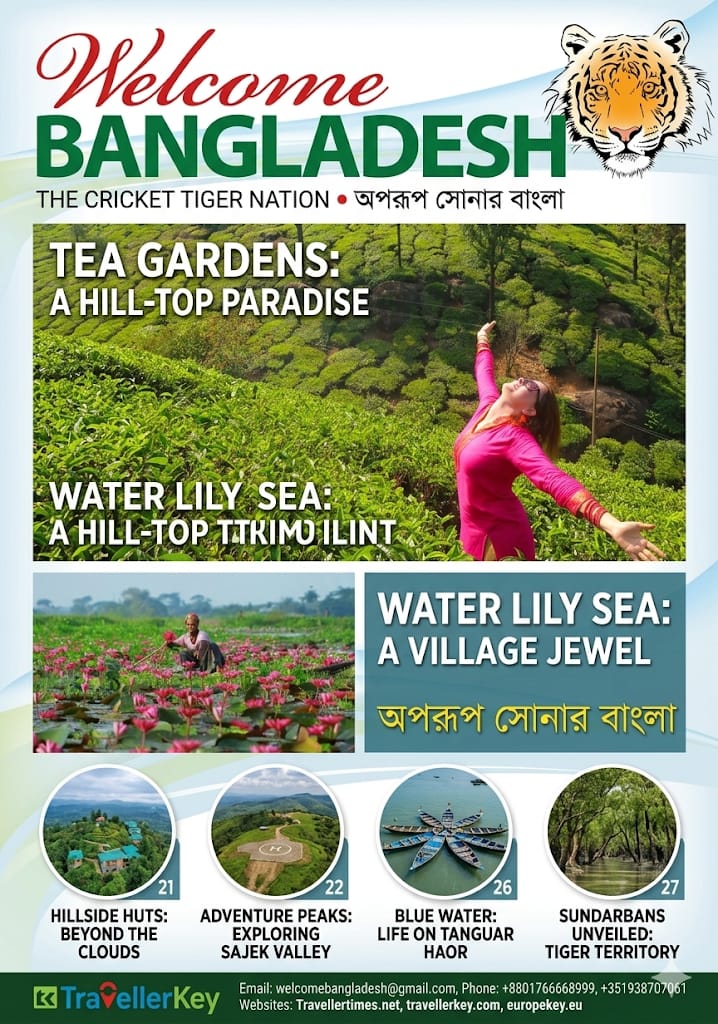
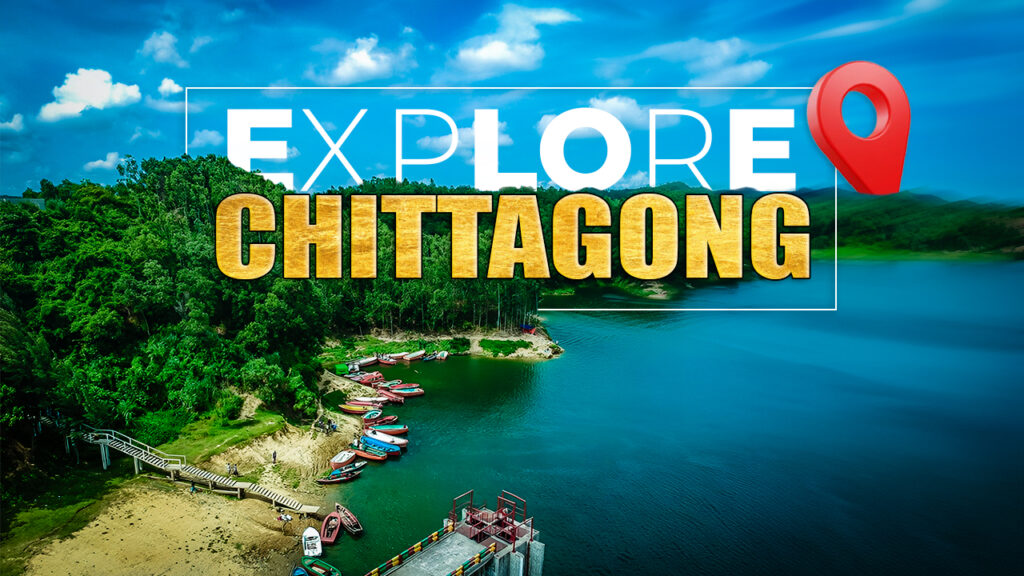
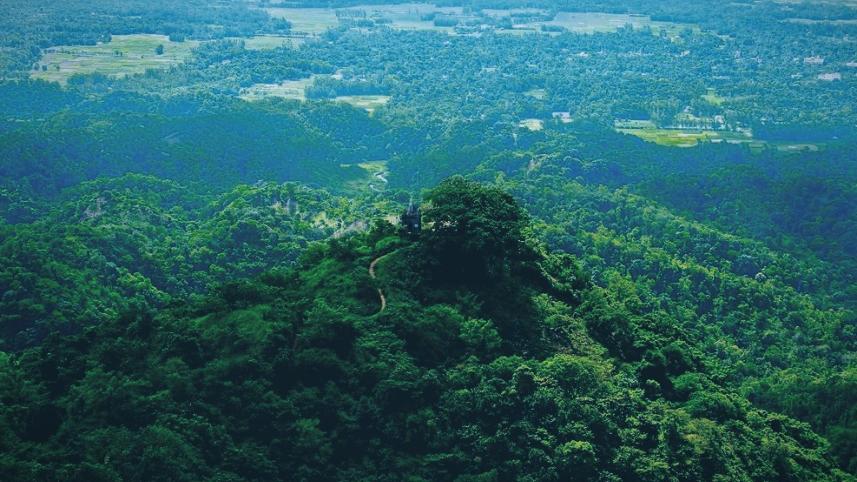
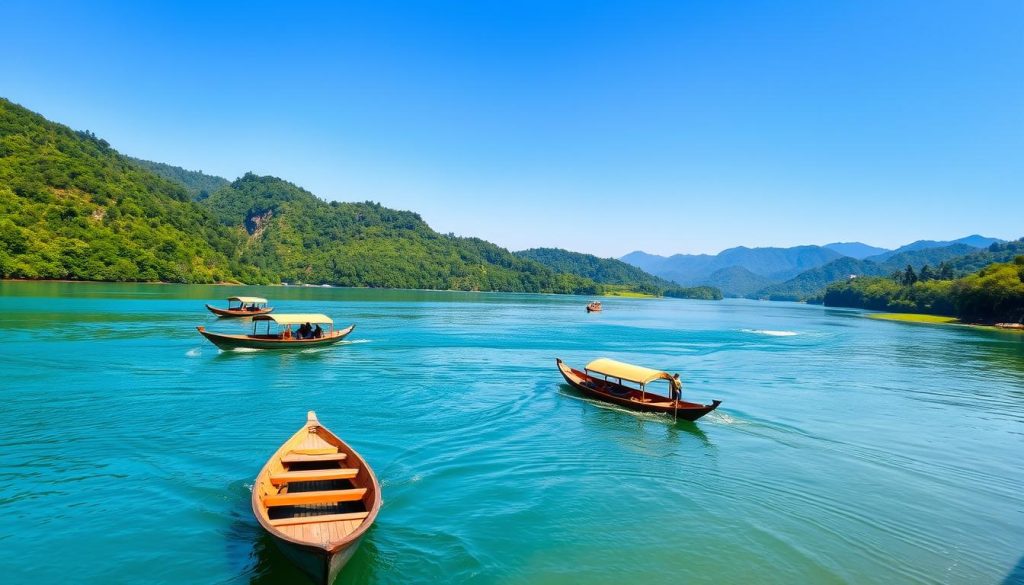
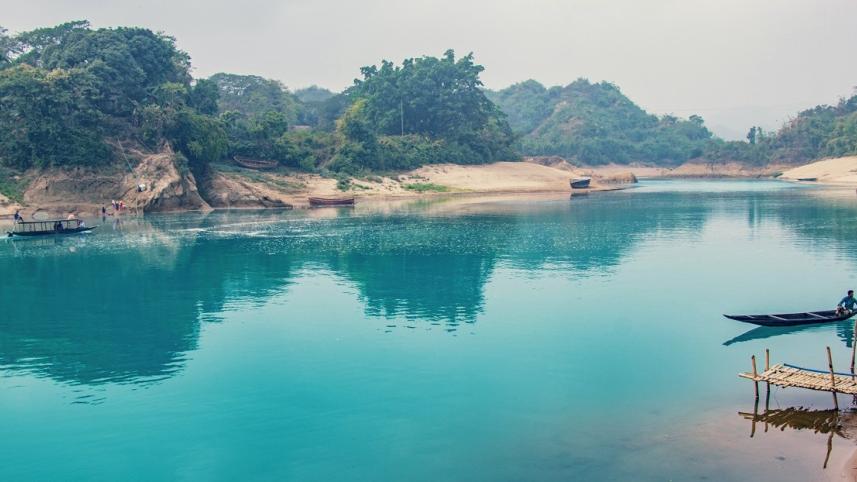
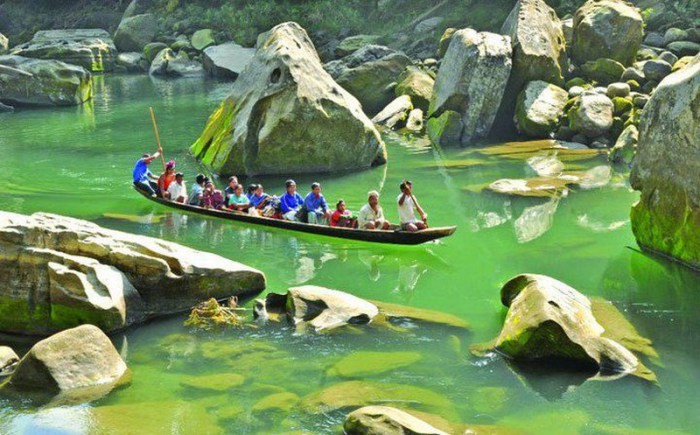
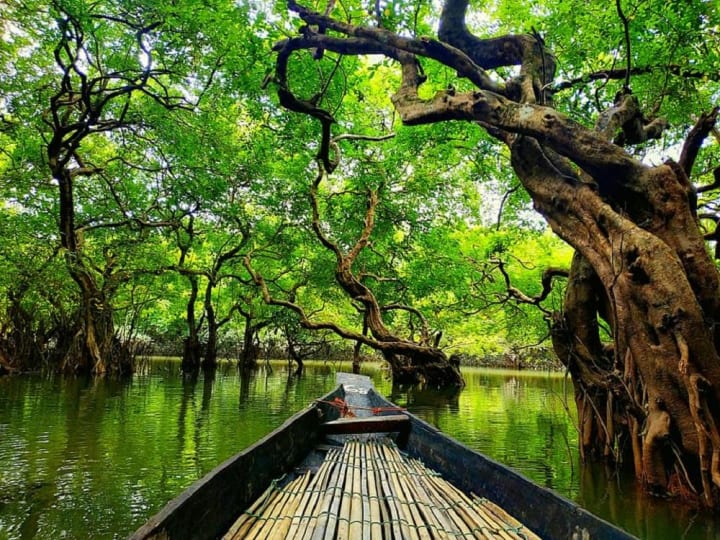
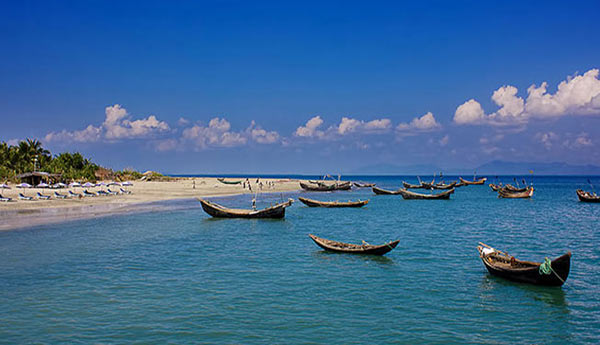
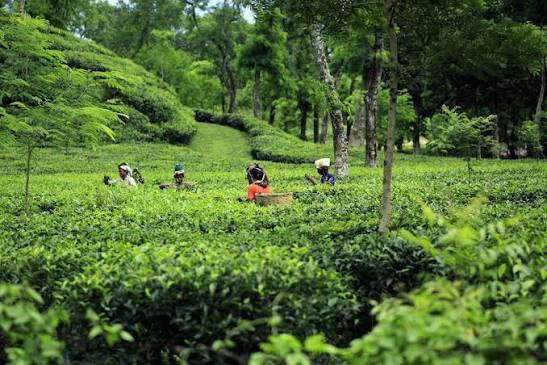
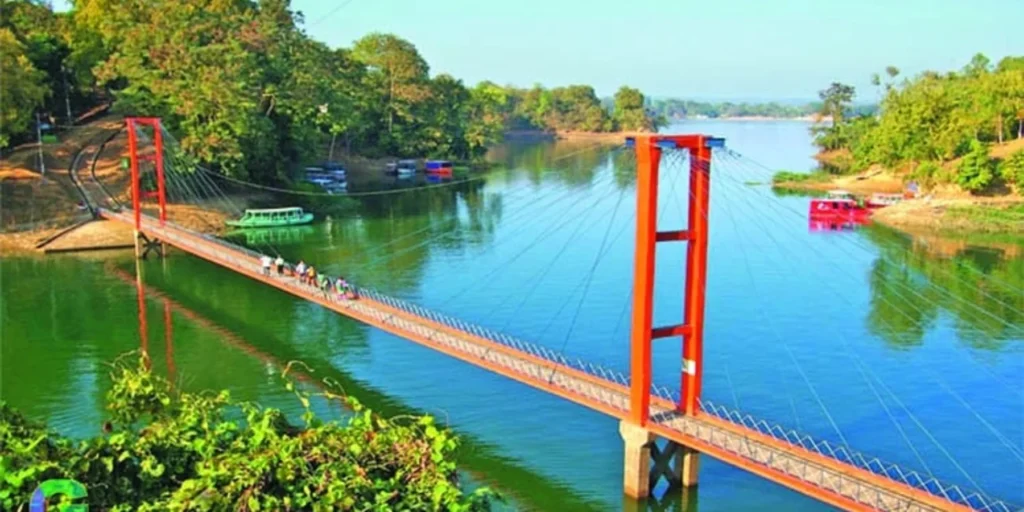
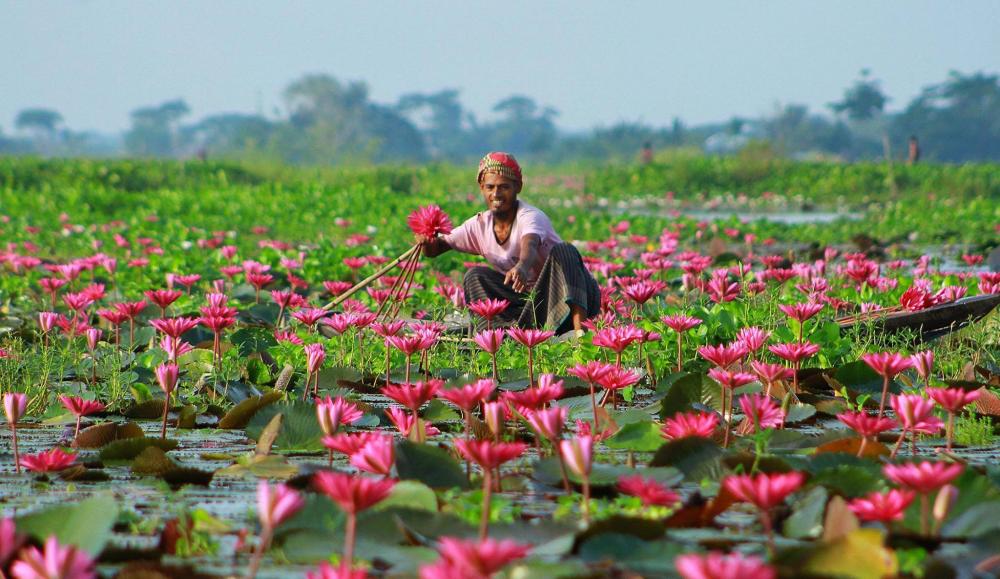
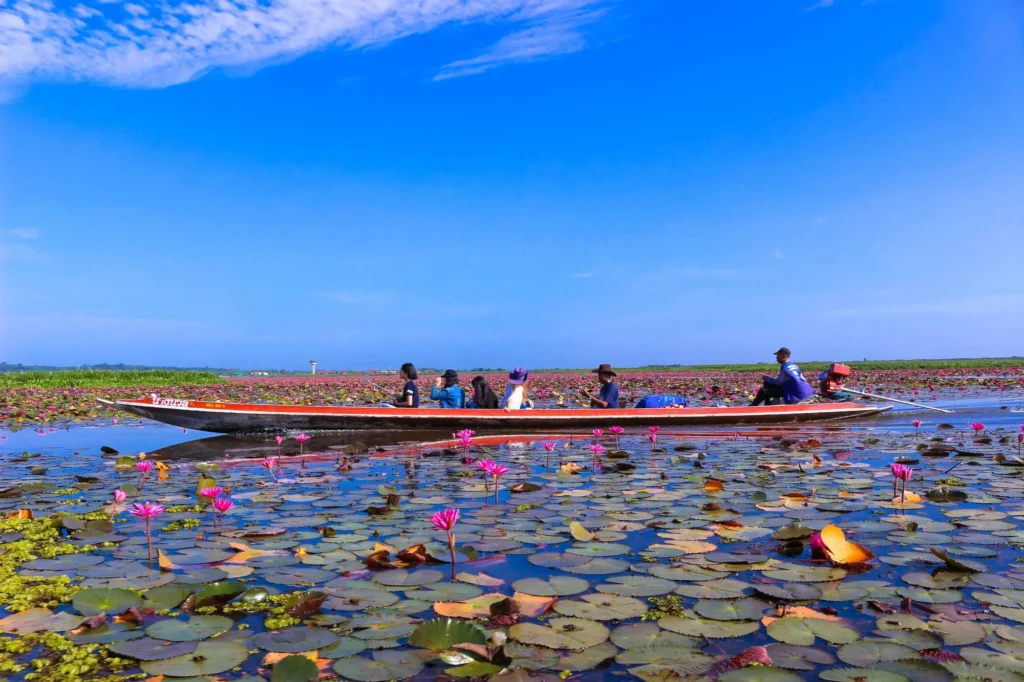
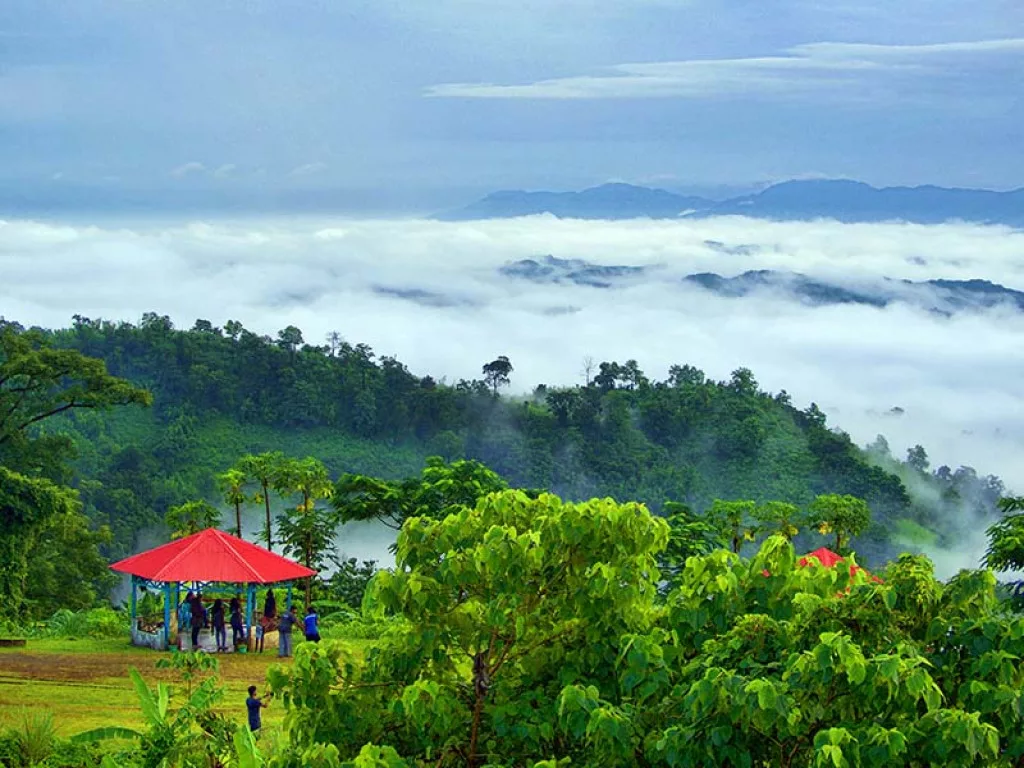
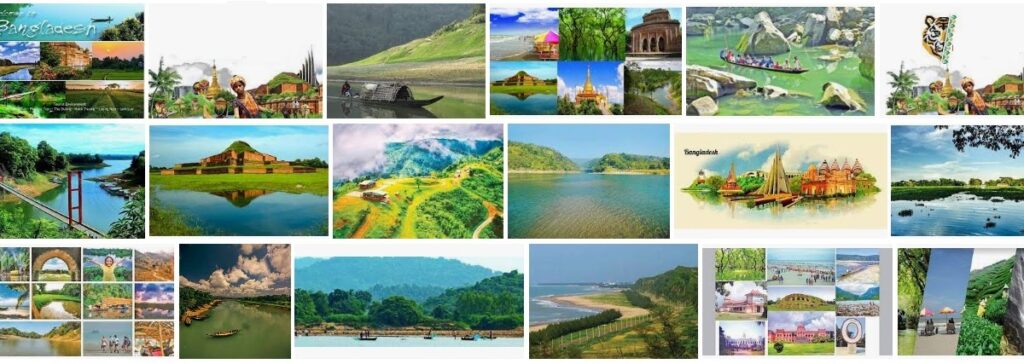
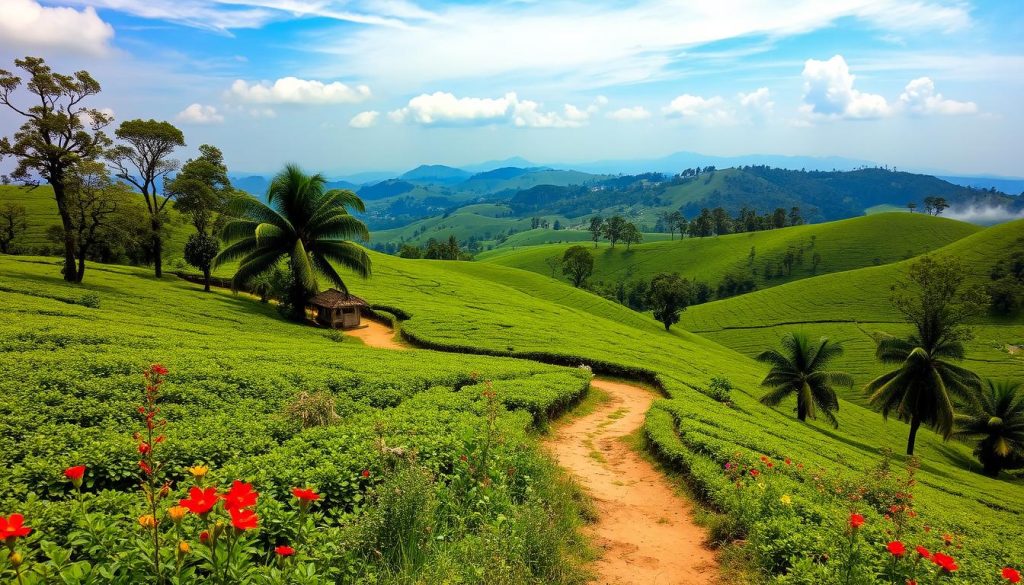
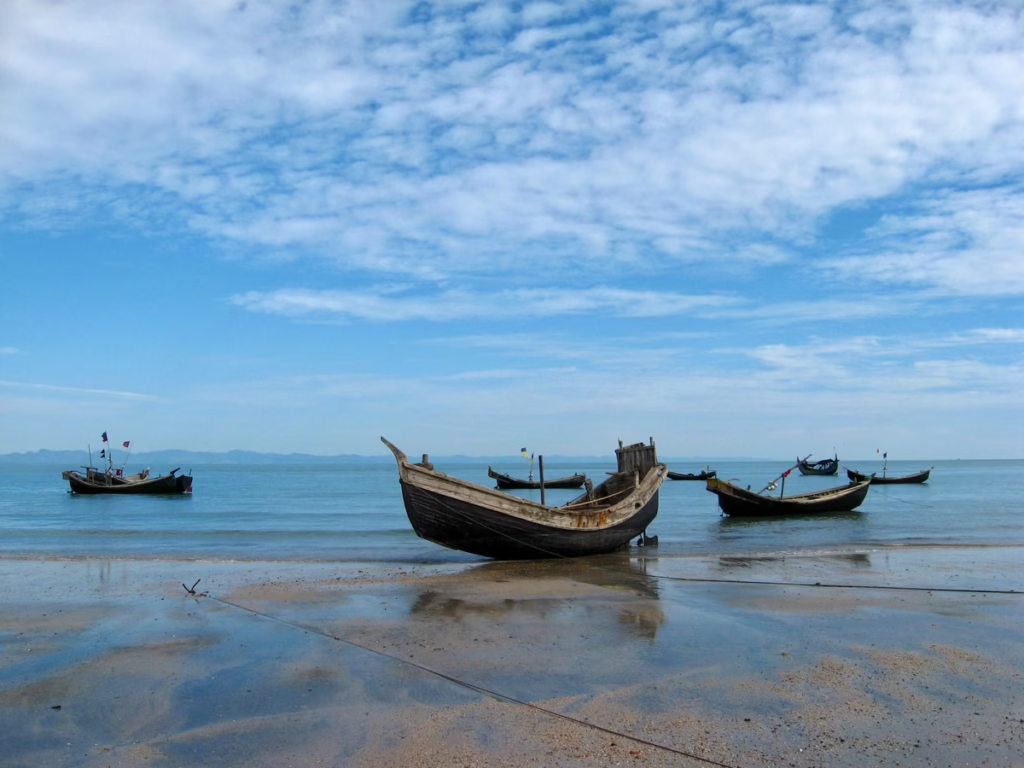
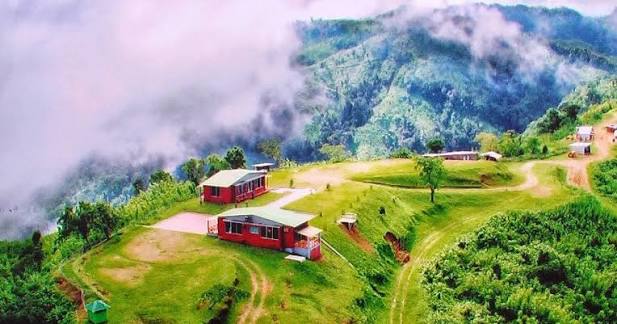
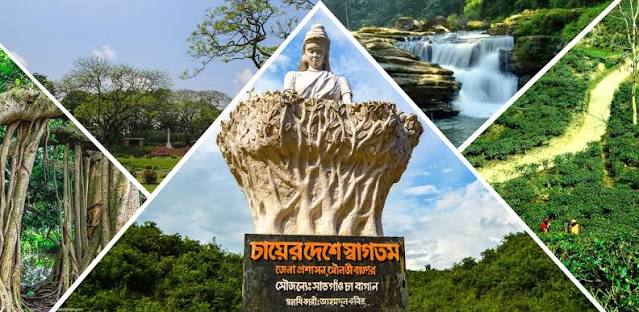
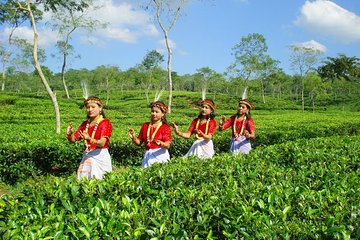
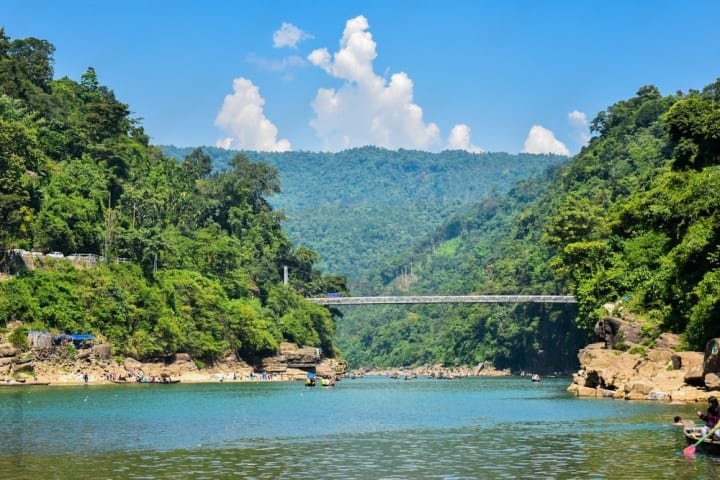
The second pillar is ecological tourism. Few countries possess the environmental diversity of Bangladesh. The nation is home to the Sundarbans, the largest mangrove forest on Earth and one of the world’s most important ecosystems. Its rivers, wetlands, forests, beaches, tea gardens, and hill regions offer extraordinary opportunities for eco-tourism and conservation-based travel.
As global travelers increasingly seek authentic and environmentally responsible experiences, Bangladesh can distinguish itself as a leader in sustainable tourism. Protected natural areas, eco-lodges, wildlife observation programs, and community-based tourism initiatives can create jobs while preserving the country’s environmental treasures.
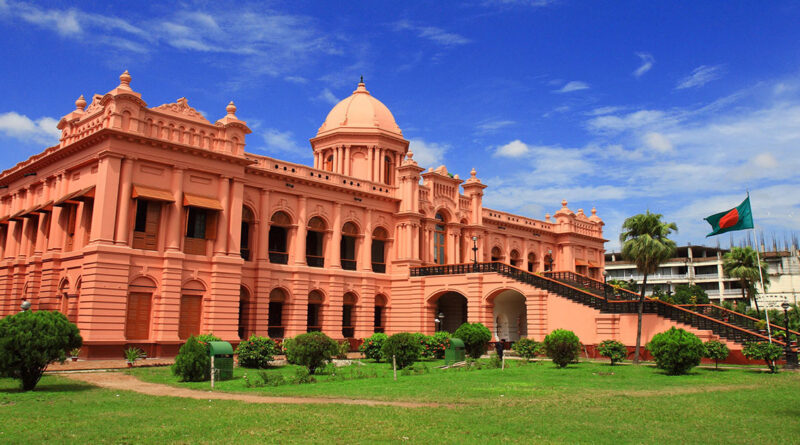
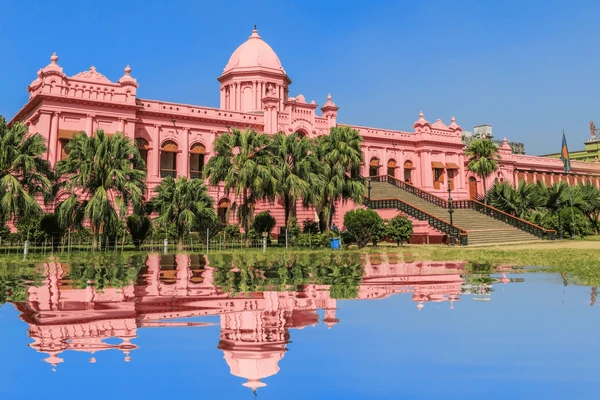
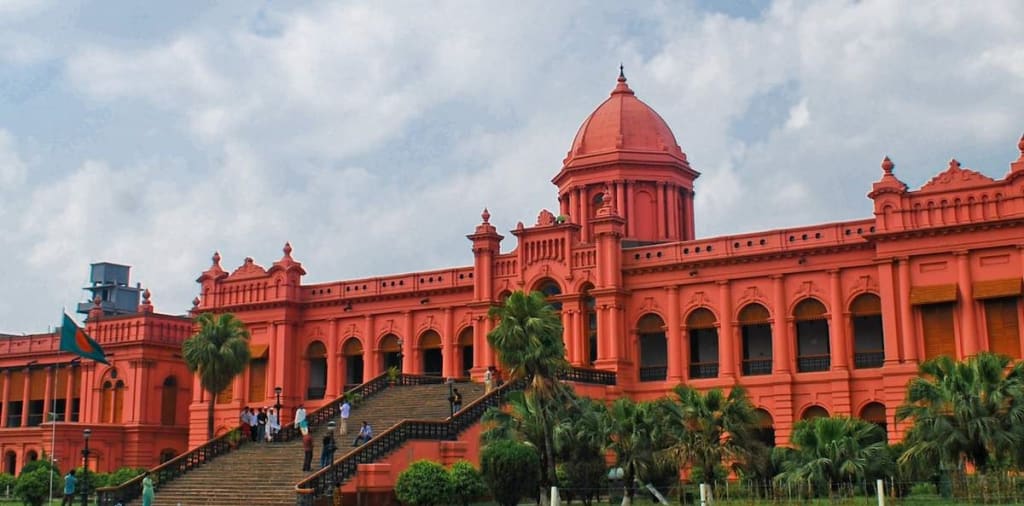
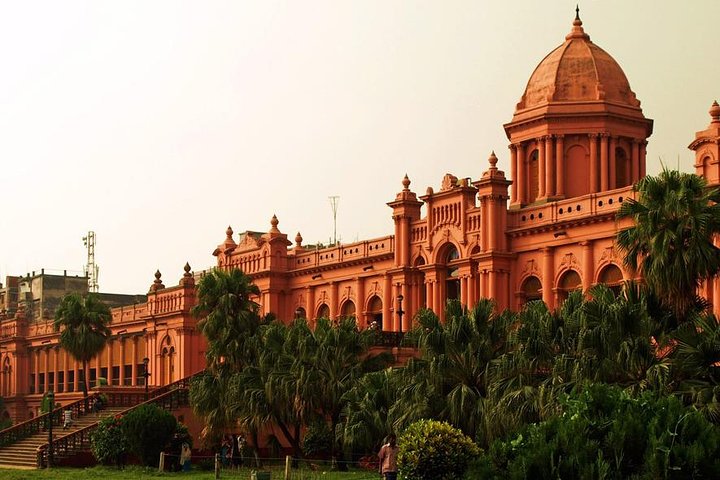
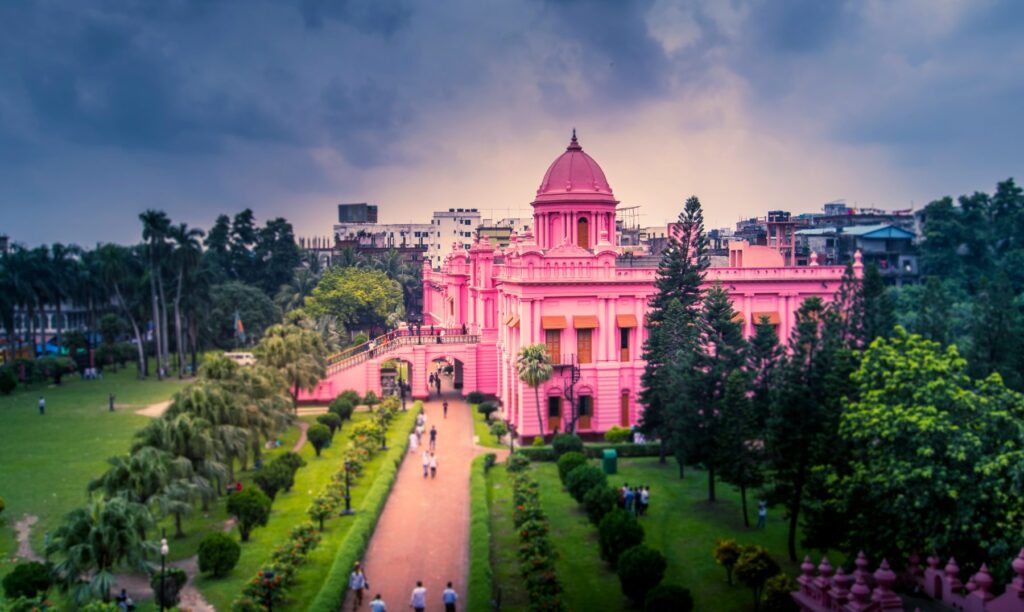
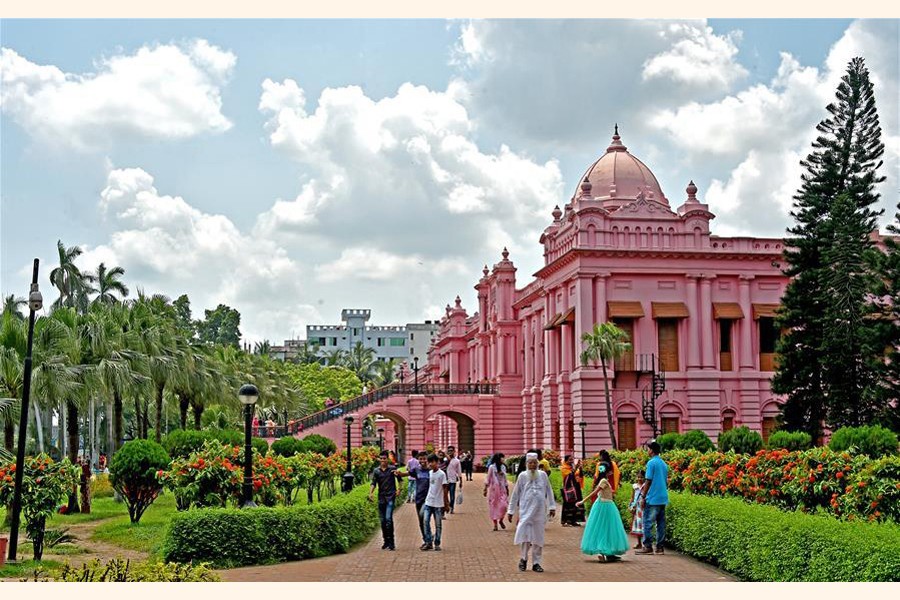
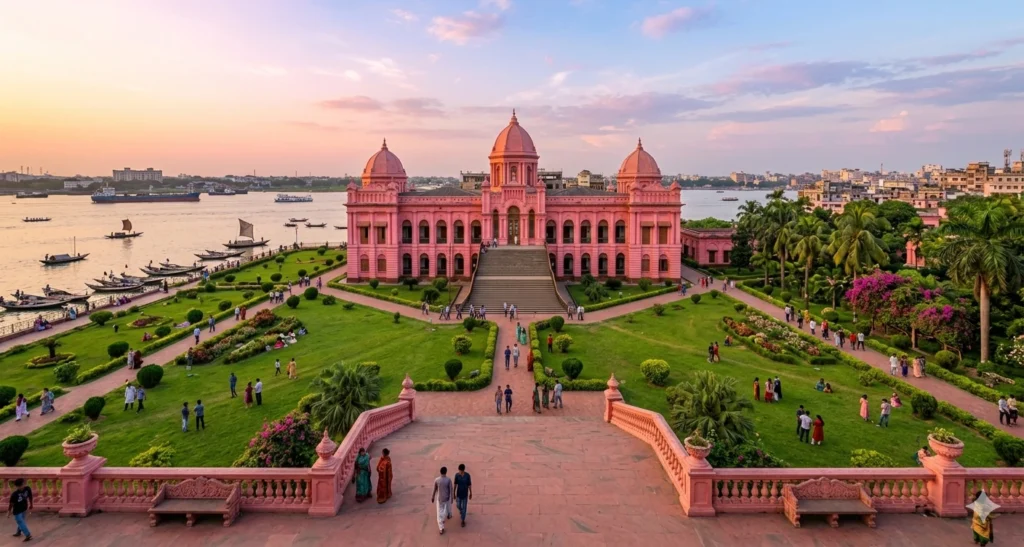
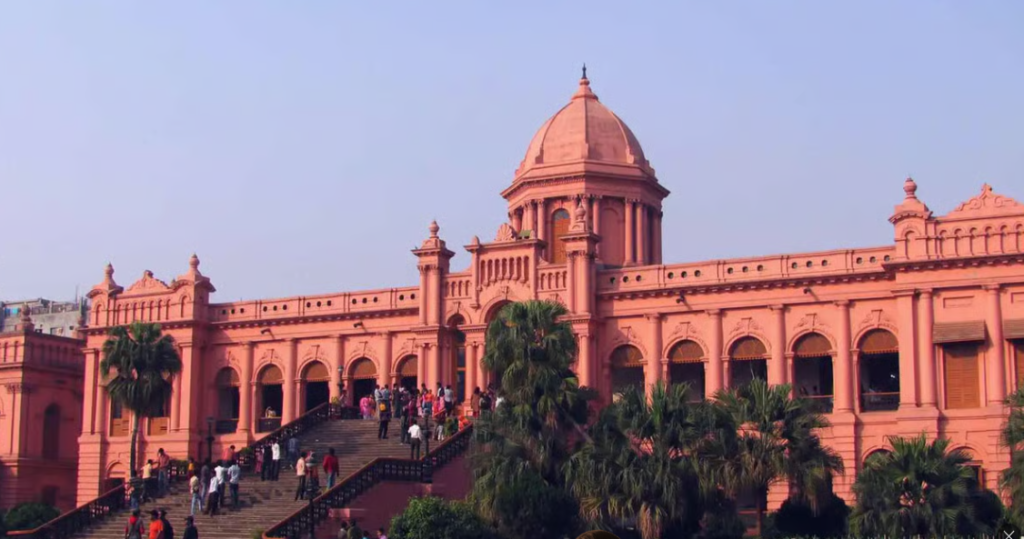
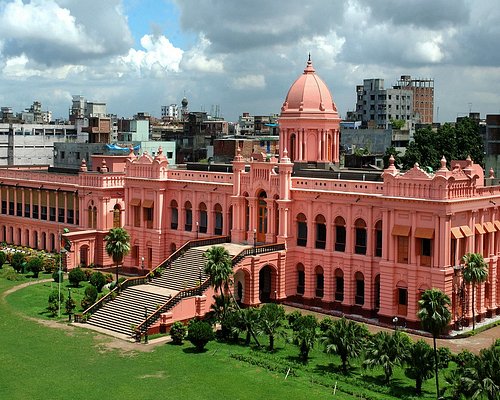
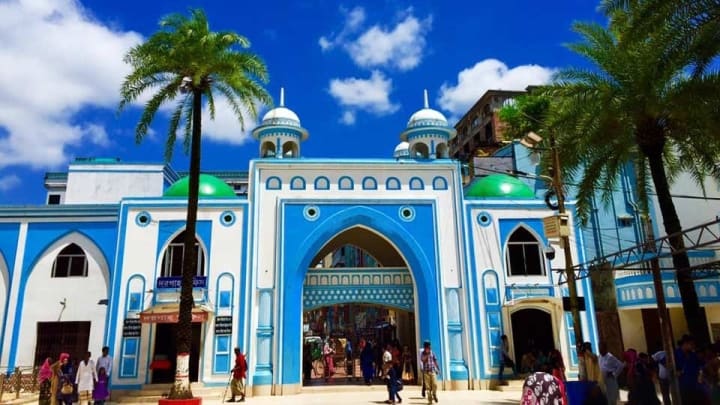
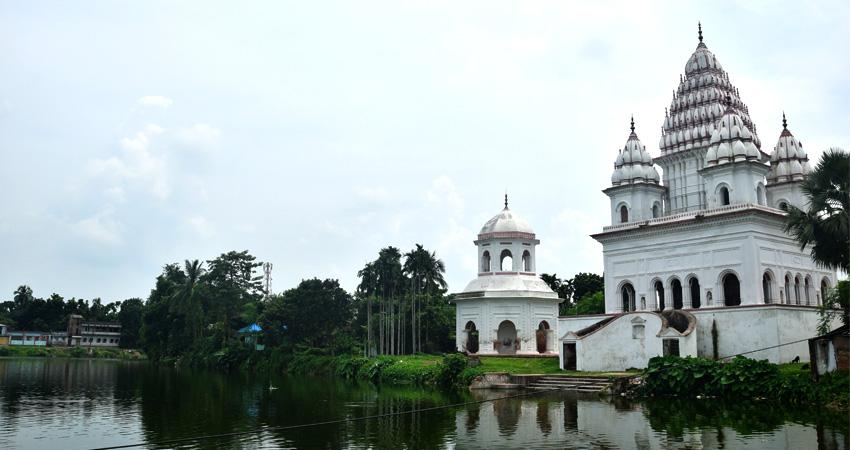
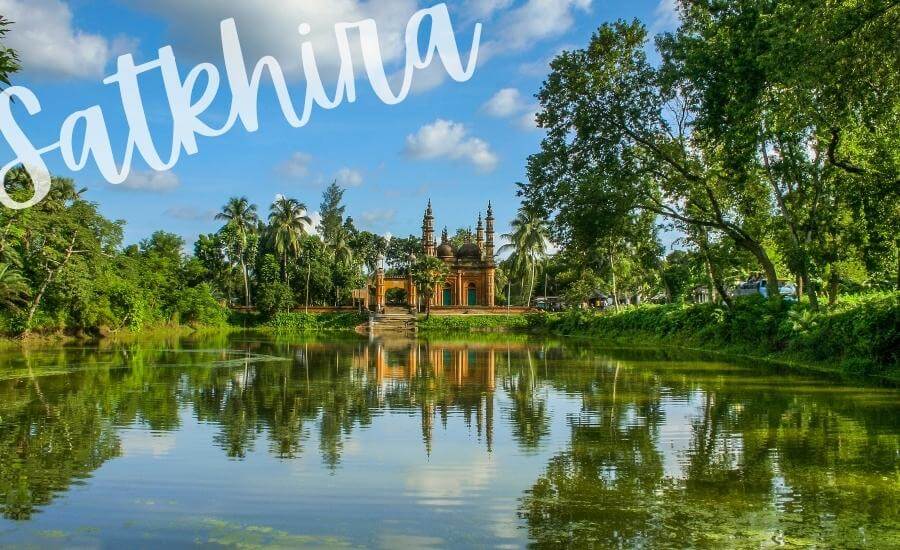
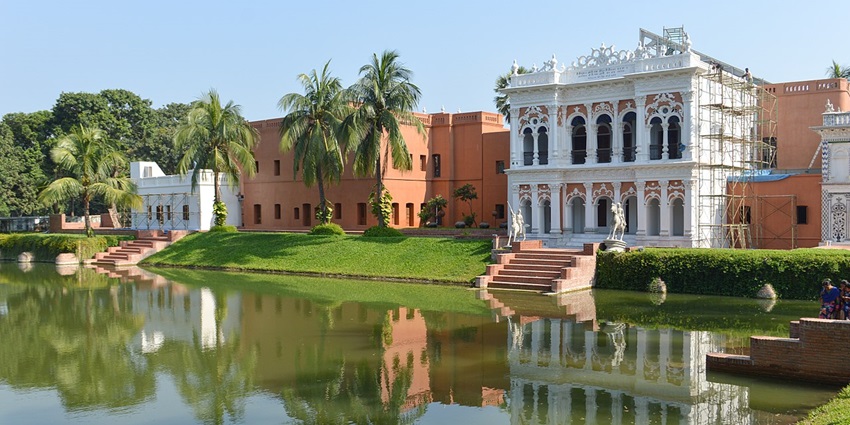
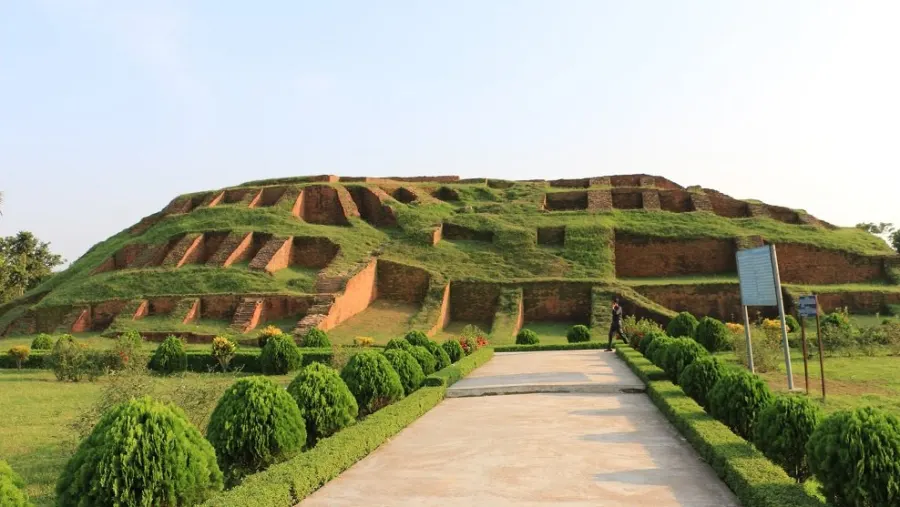
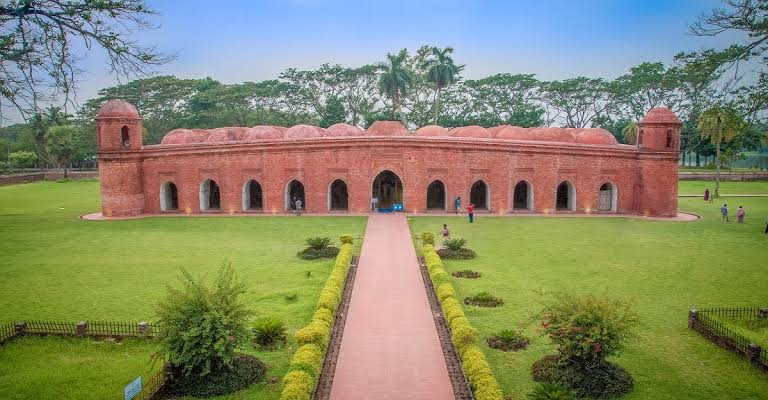
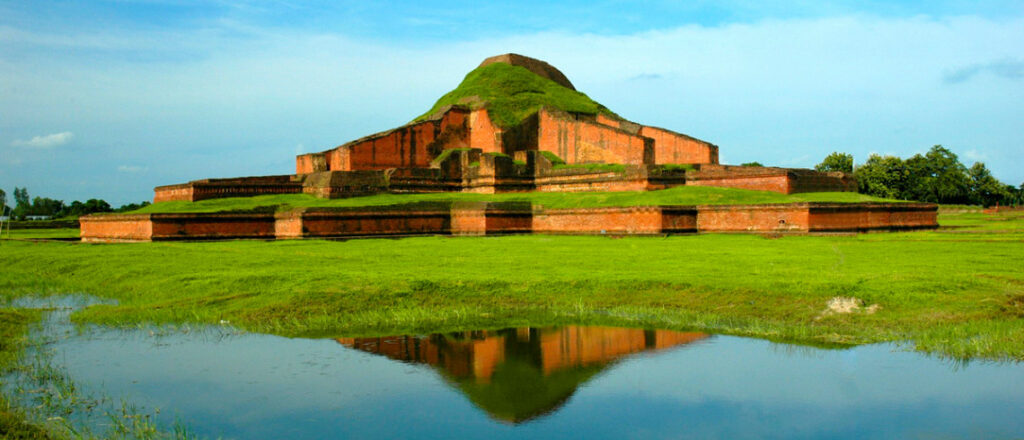
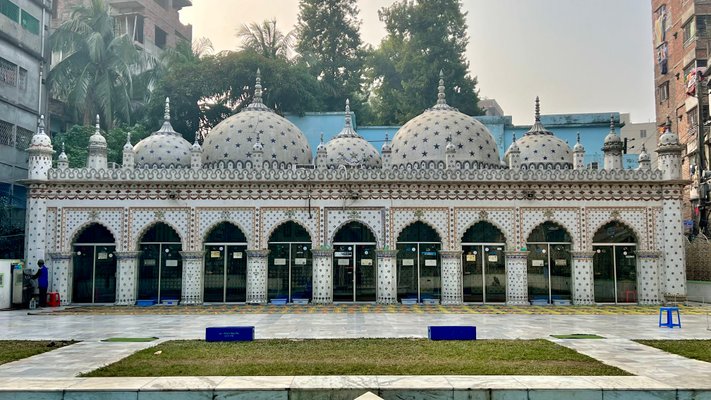
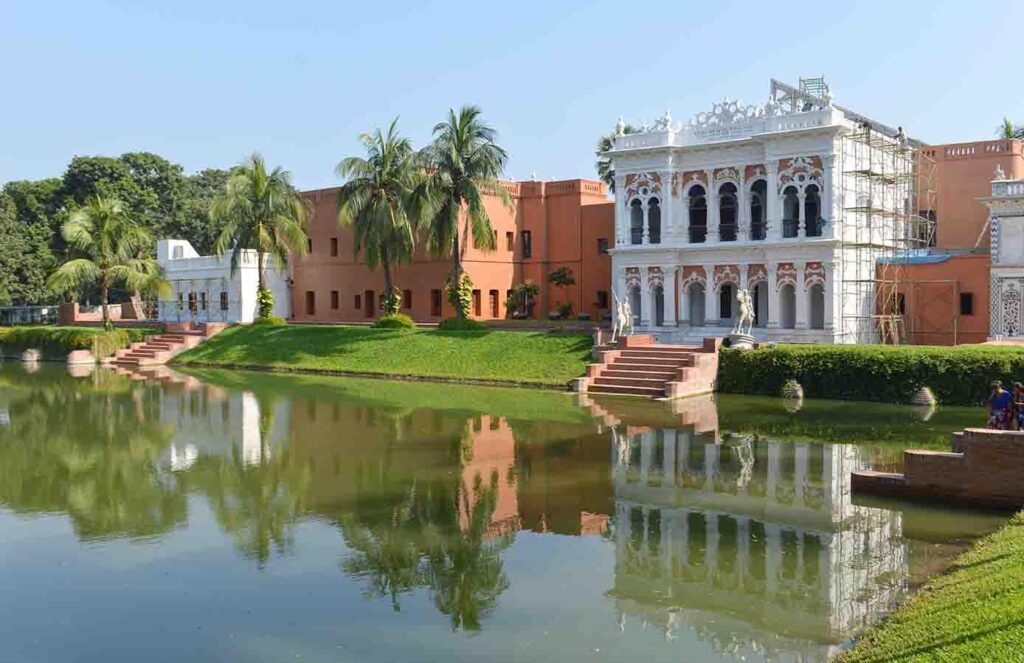
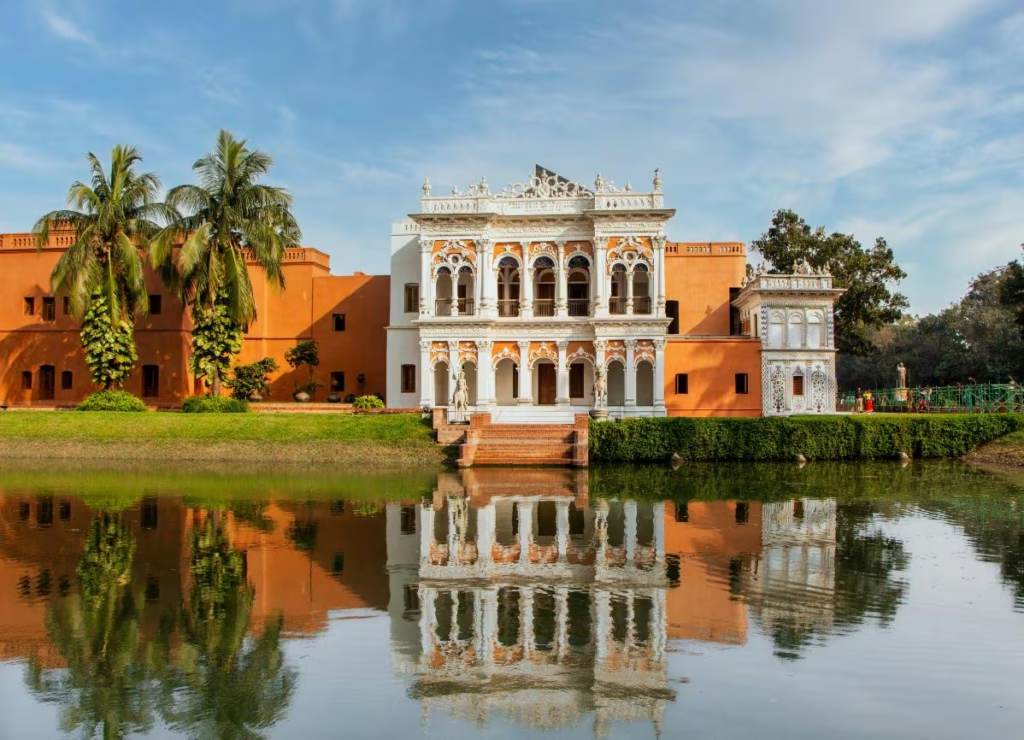
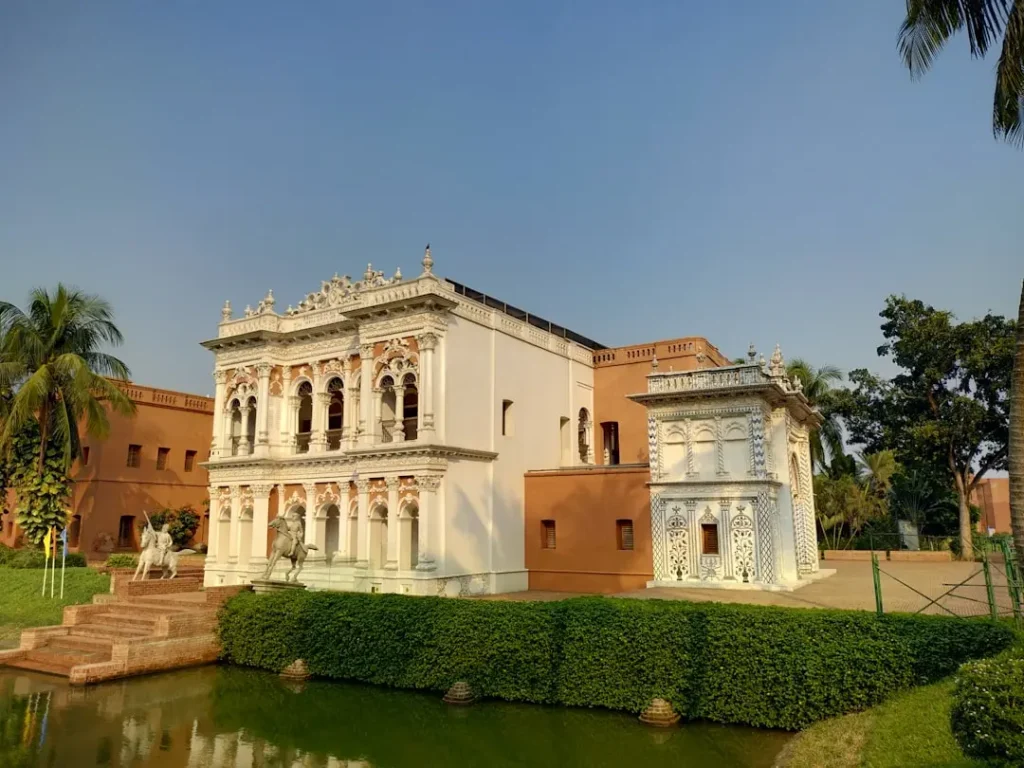
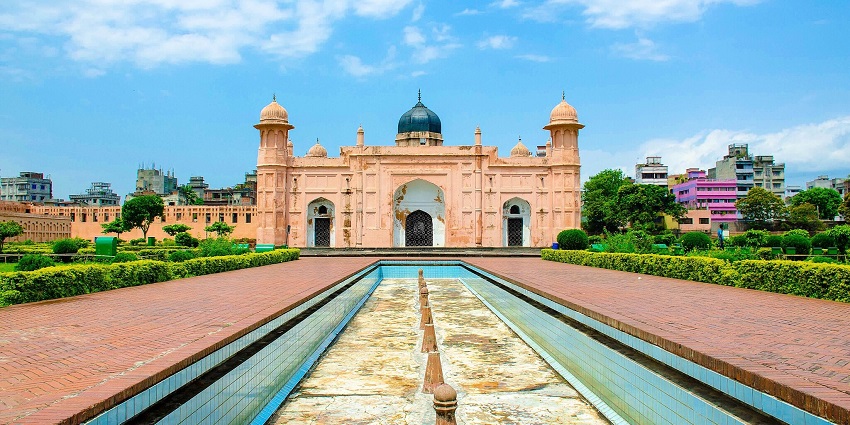
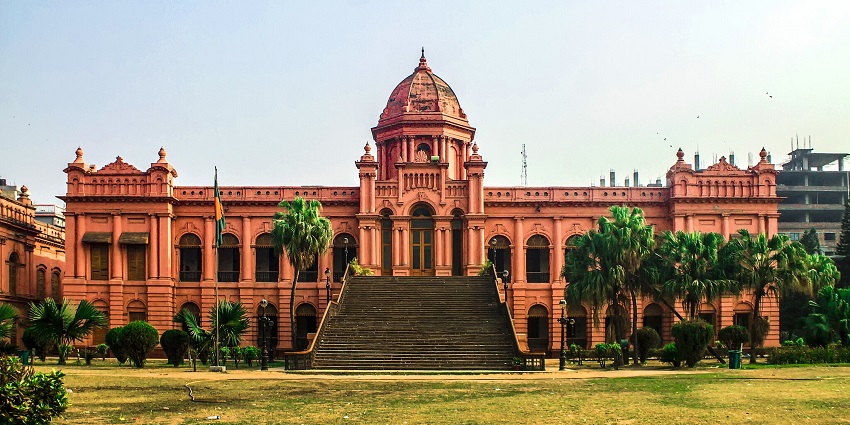
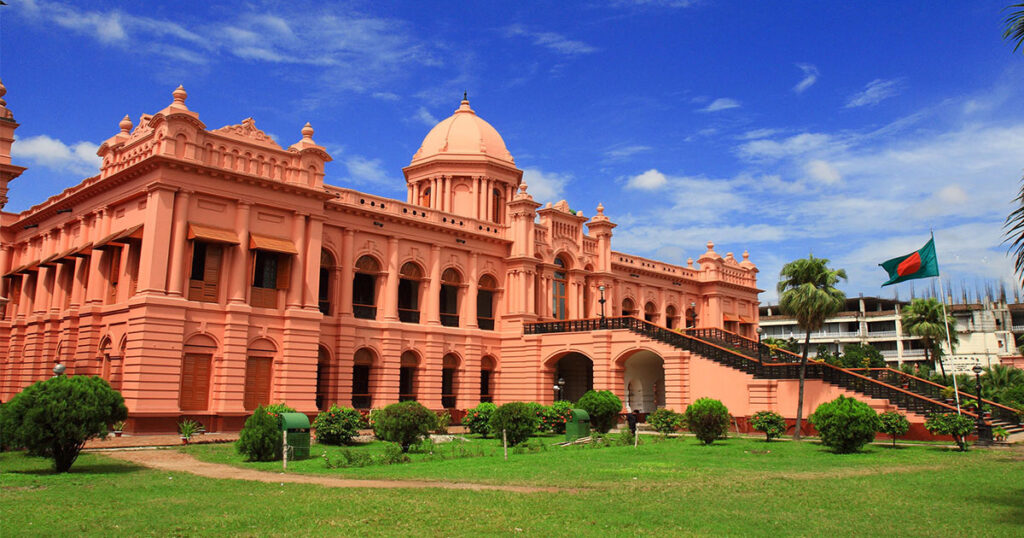
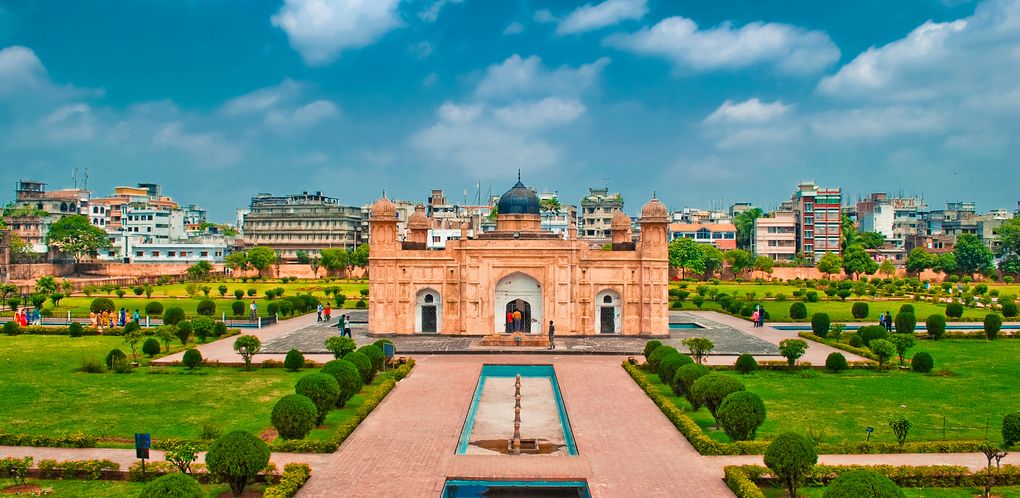
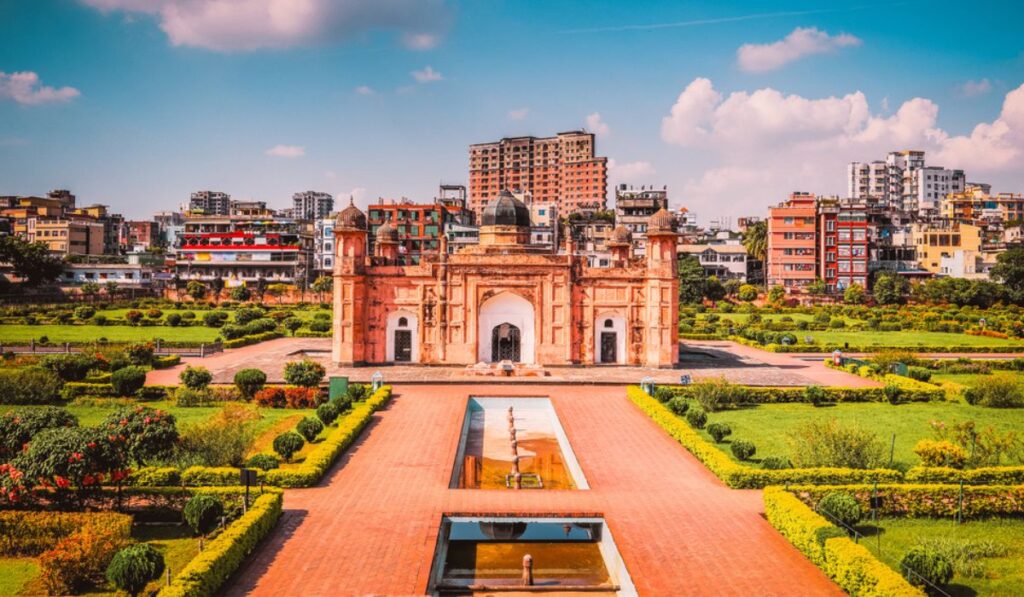
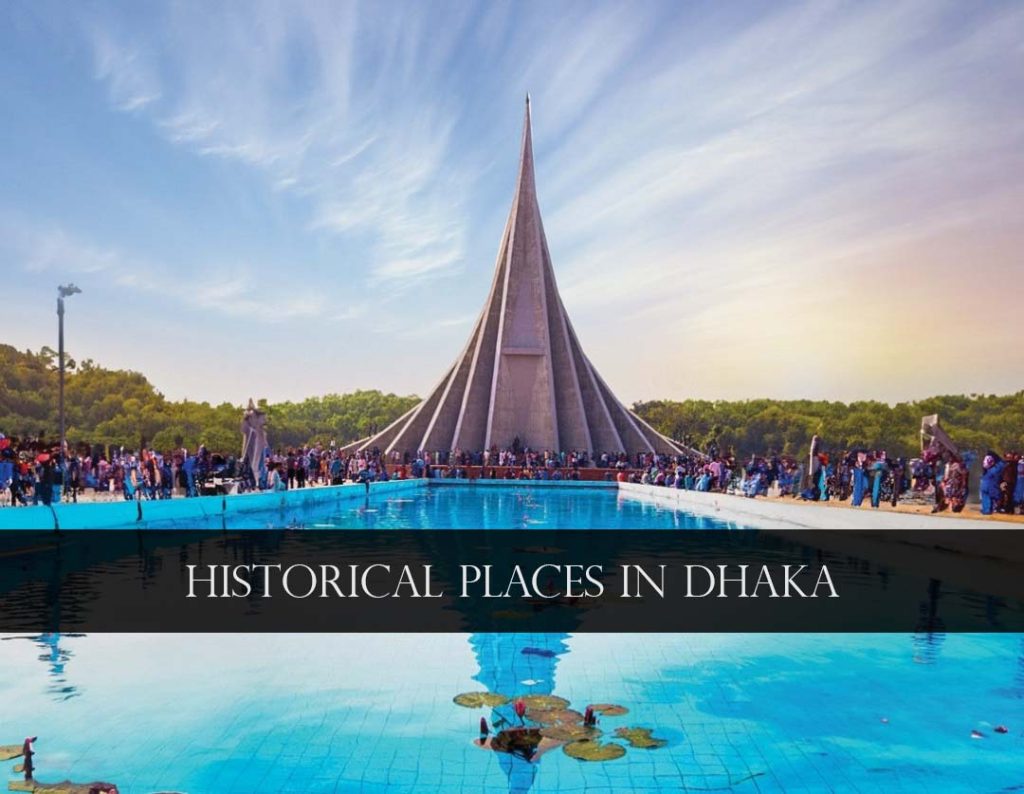
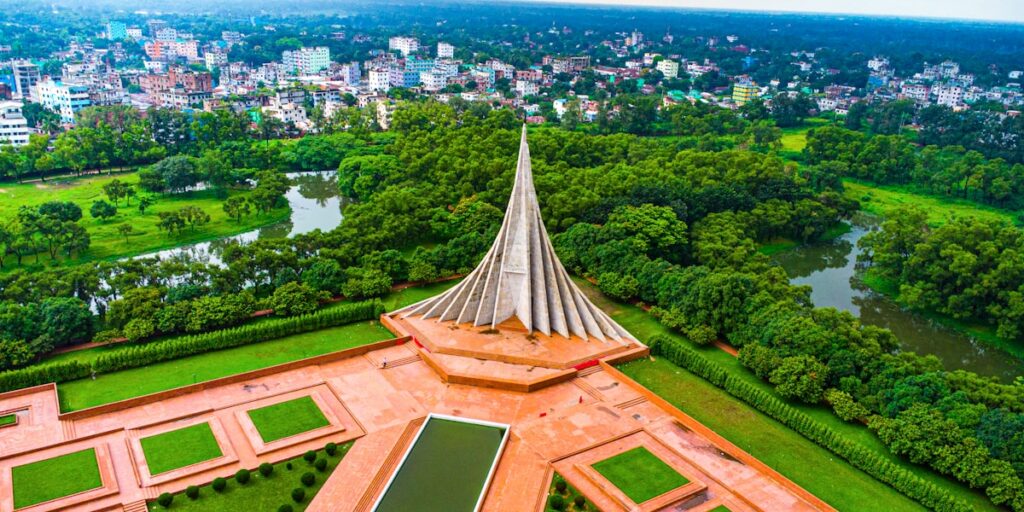
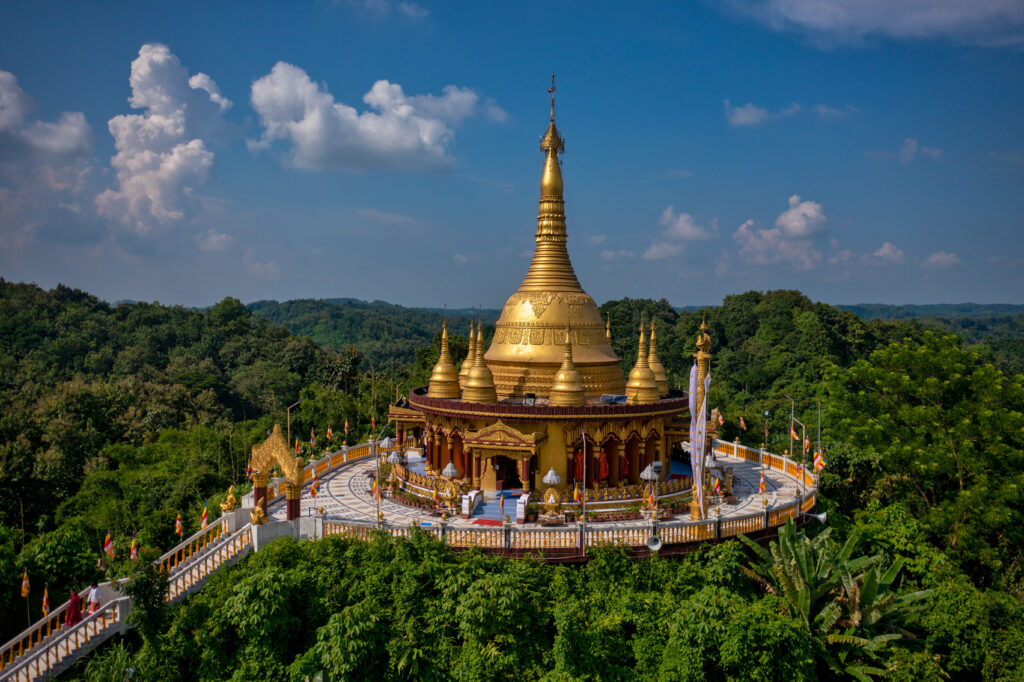
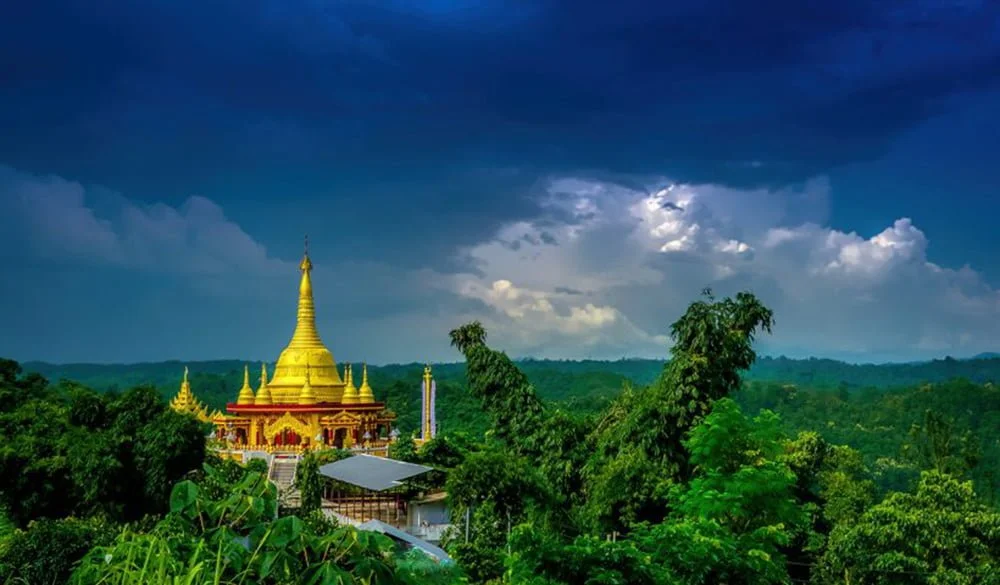
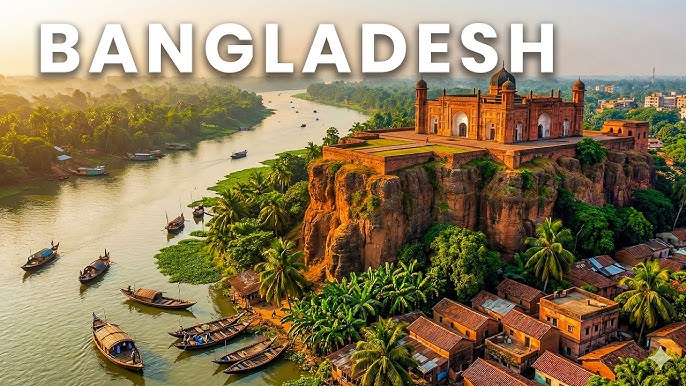
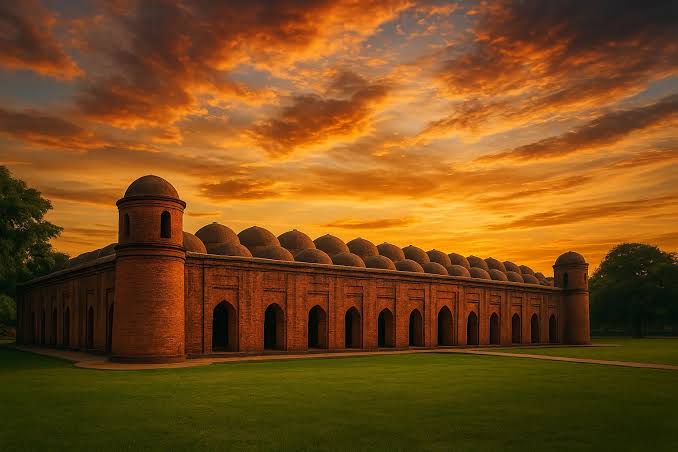
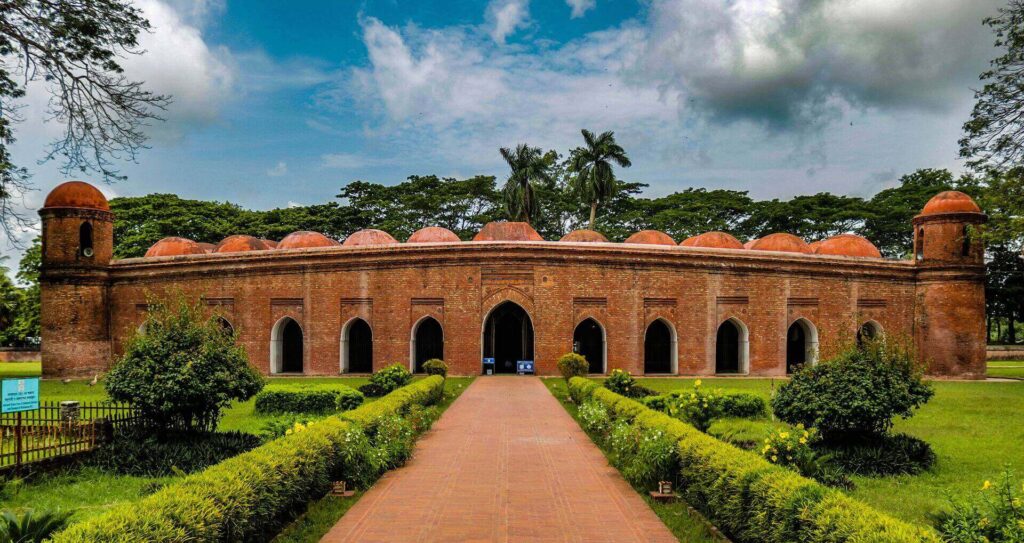
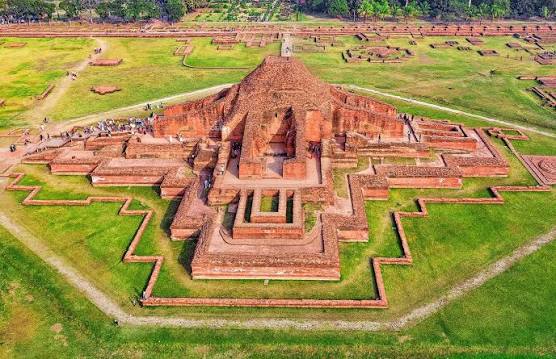
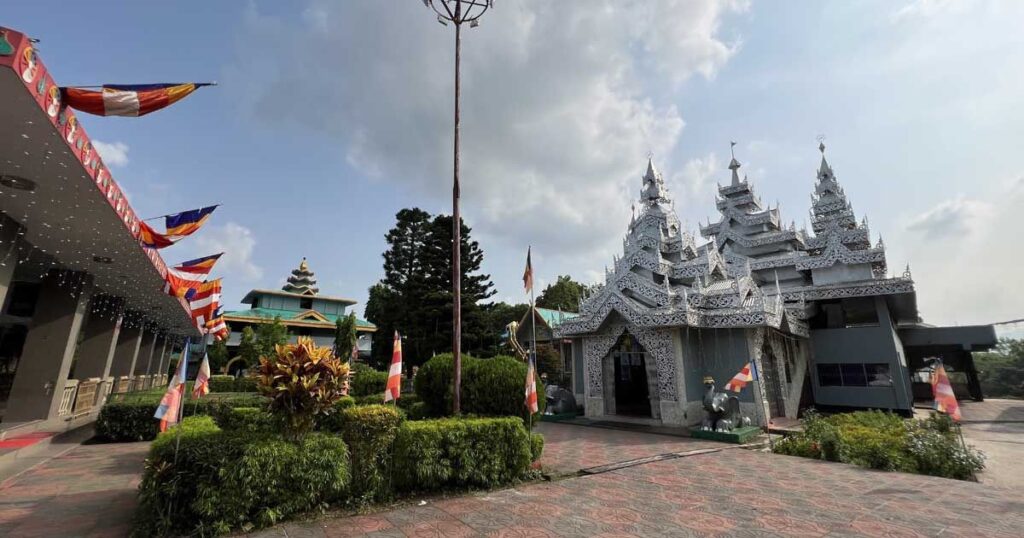
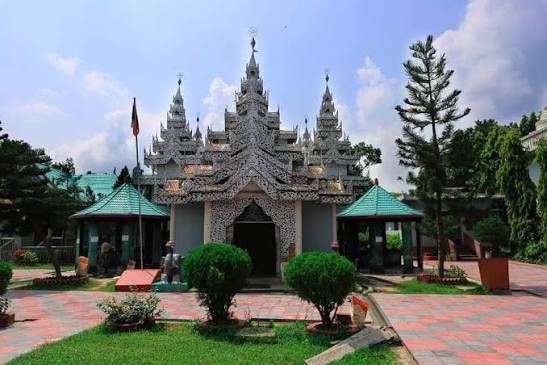
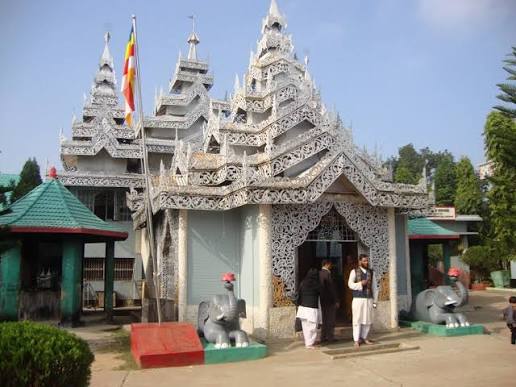
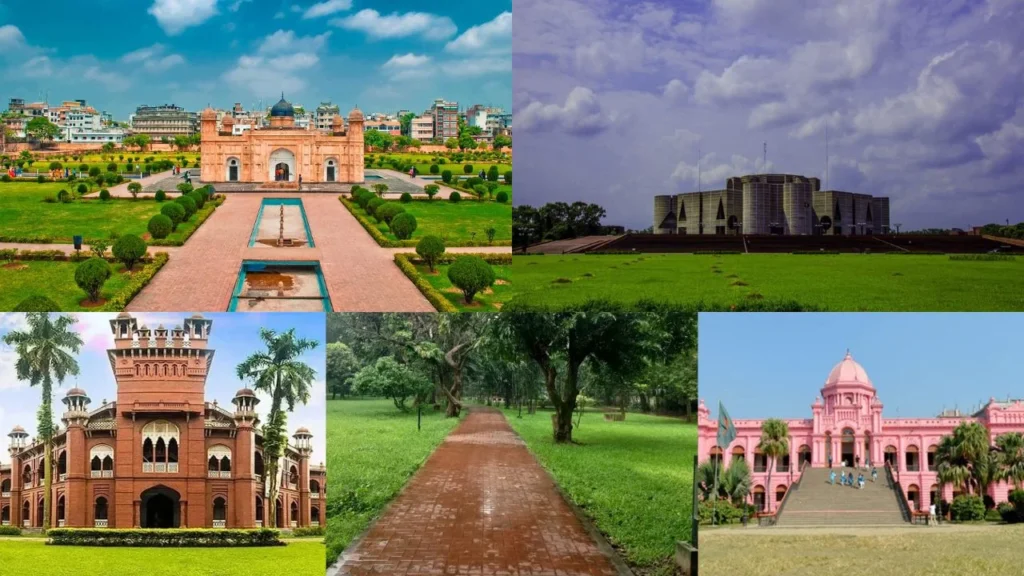
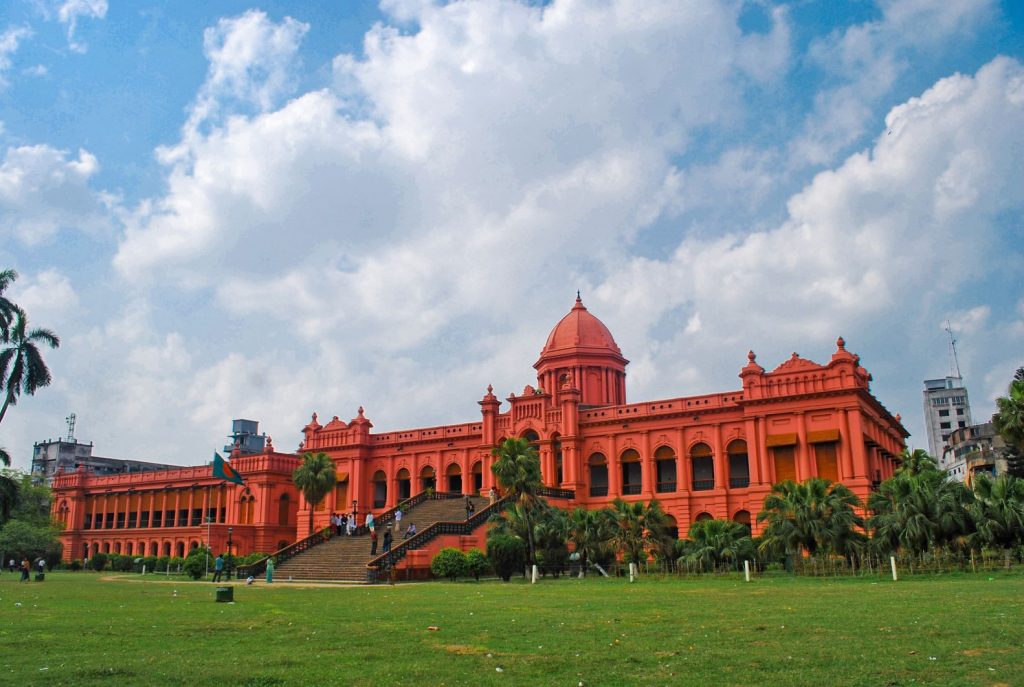
The third pillar is history and culture. Bangladesh’s story spans thousands of years. Ancient civilizations, Buddhist heritage, Islamic architecture, colonial history, and the struggle for independence have all shaped a rich cultural identity. Yet many of these stories remain largely unknown to international audiences.
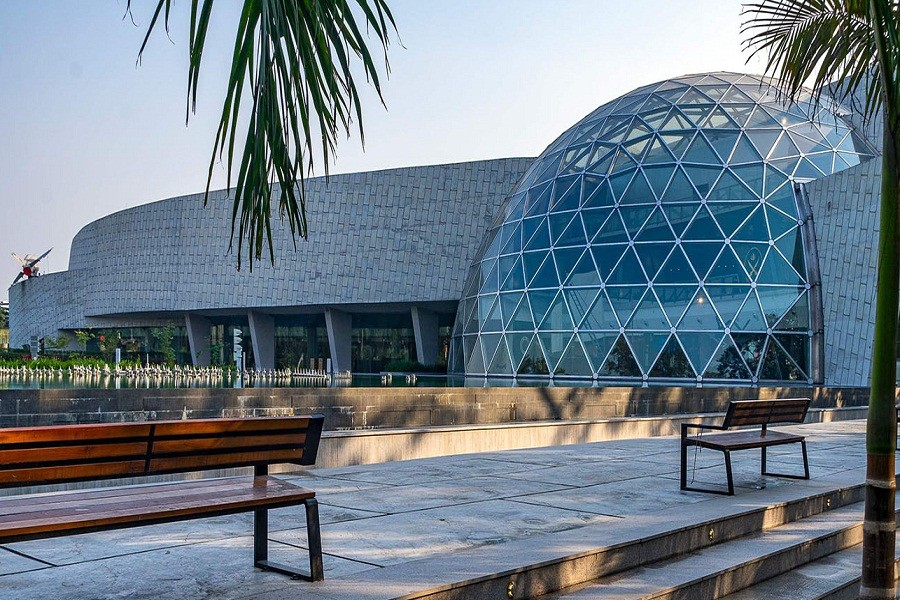
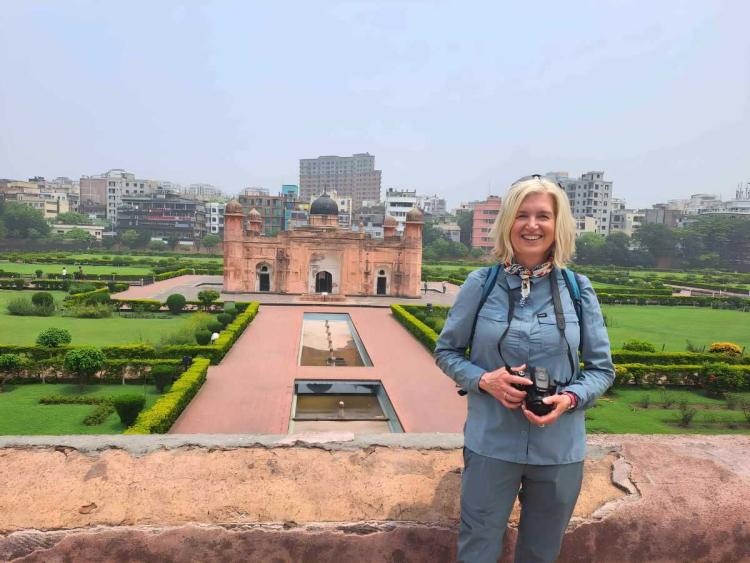
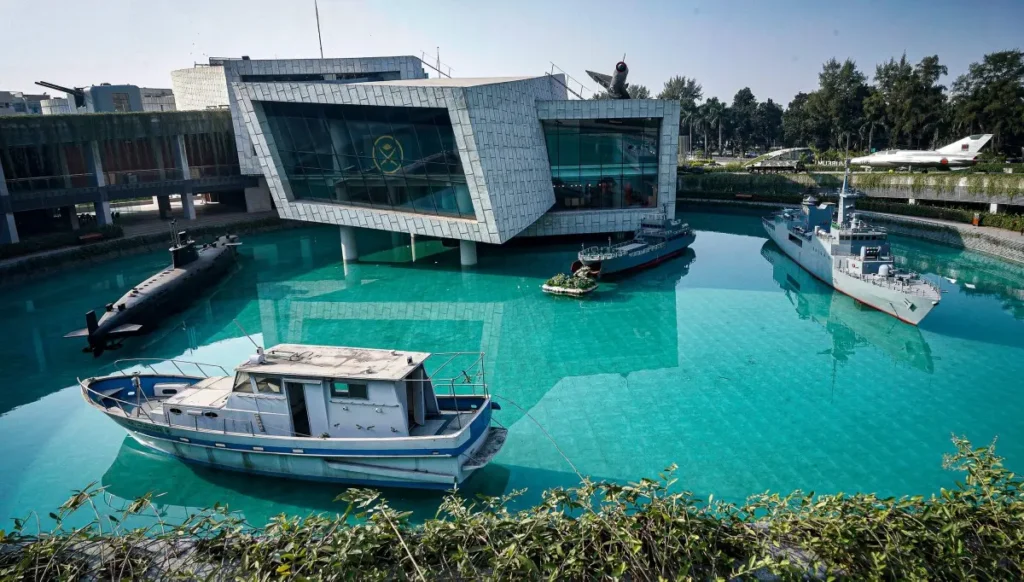
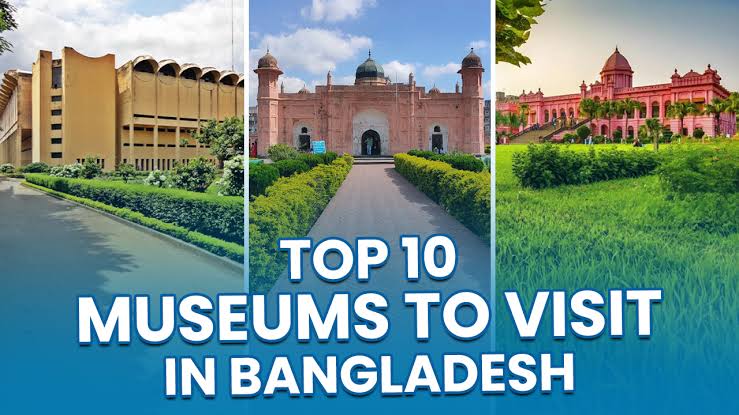
Tourism Vision 2040 should include major investments in heritage preservation, museum development, archaeological tourism, and cultural festivals. Historic sites can become global attractions when properly promoted, restored, and connected to modern visitor infrastructure.
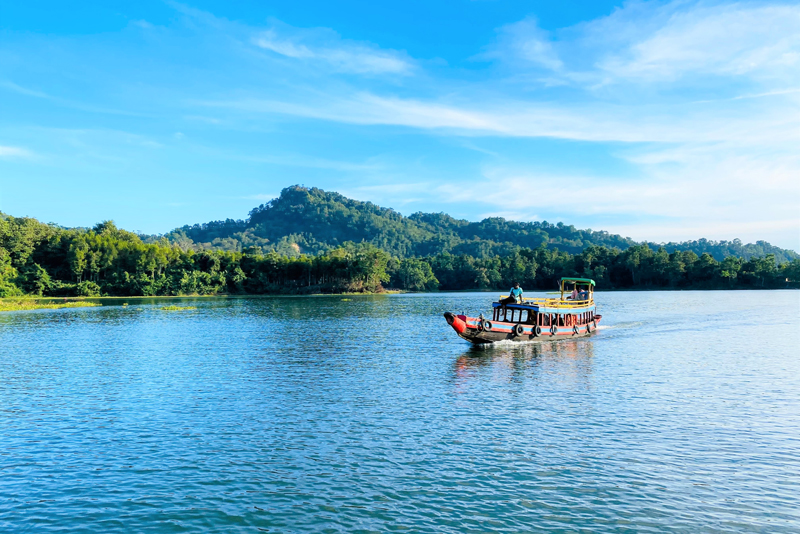
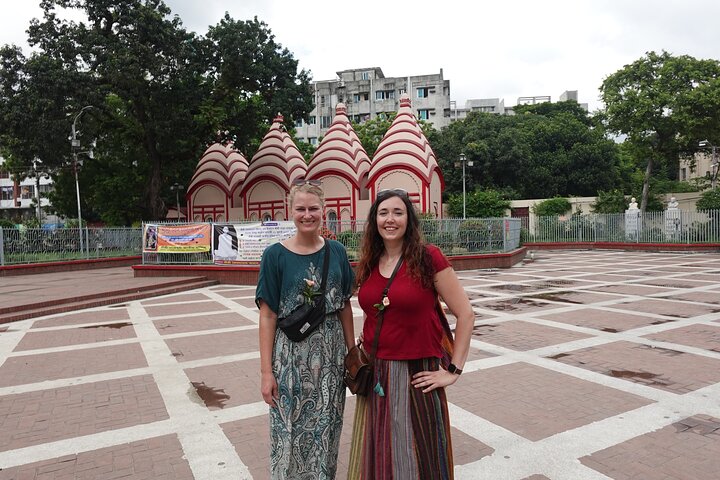
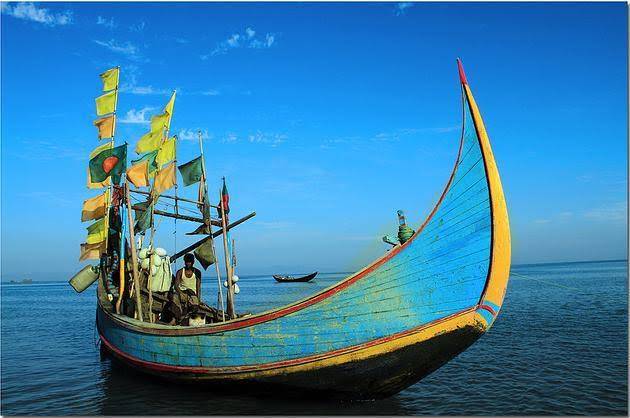
Americans and international travelers increasingly seek destinations that offer authentic experiences rather than standardized tourism. Bangladesh possesses exactly that advantage. Visitors can explore ancient heritage sites, cruise through river networks, experience vibrant local traditions, and discover some of the most welcoming communities in Asia.
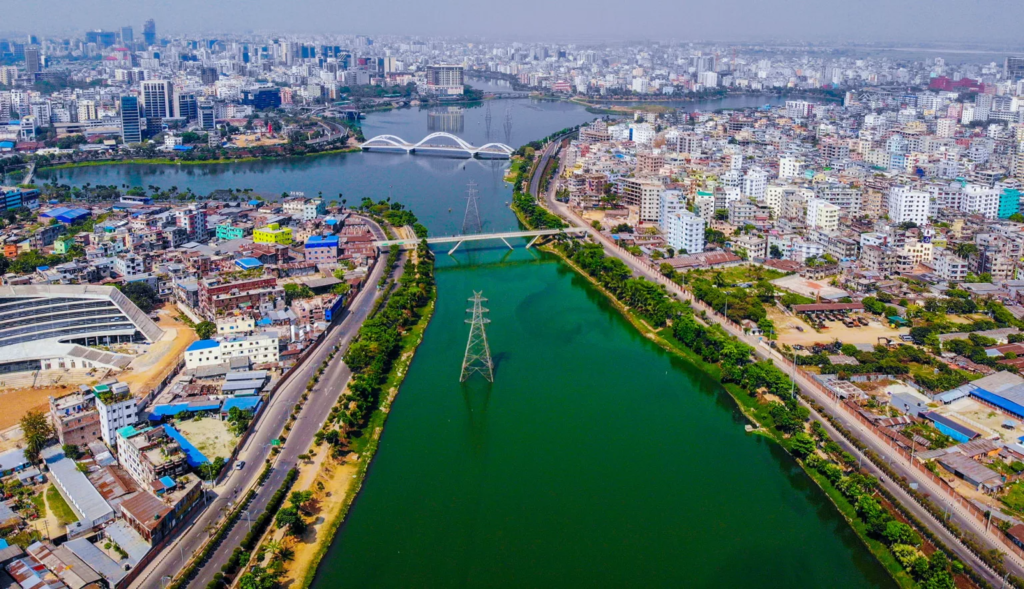
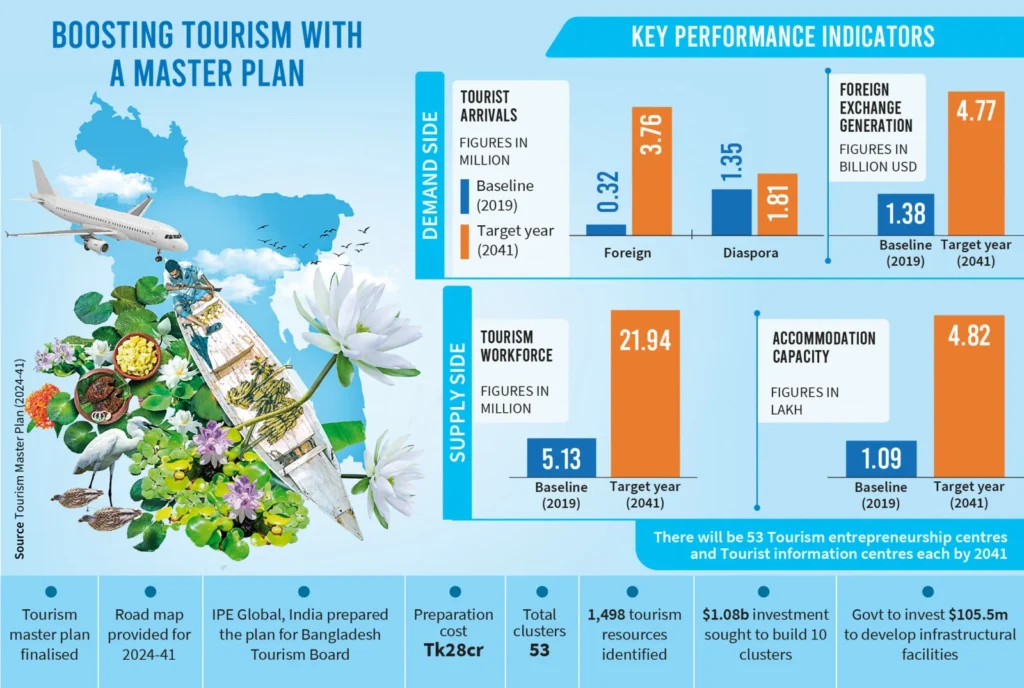
The economic potential is enormous. Tourism generates employment across hospitality, transportation, agriculture, construction, retail, entertainment, and technology. Every tourist dollar circulates through local communities, supporting entrepreneurs, artisans, farmers, guides, and small businesses. A successful tourism sector can become a significant source of foreign exchange earnings while stimulating regional development beyond major urban centers.









To achieve these goals, Bangladesh must also prioritize service excellence. International visitors expect safe transportation, quality accommodations, digital convenience, multilingual information, and professional hospitality standards. Investments in education and workforce training will therefore be as important as investments in physical infrastructure.












Equally important is branding. Bangladesh must tell its story to the world. Strategic marketing campaigns in the United States and other major tourism markets can highlight the country’s unique combination of nature, history, culture, and hospitality. Modern travelers are searching for destinations that remain authentic and undiscovered. Bangladesh is uniquely positioned to meet that demand.
The race for global tourism leadership is intensifying, but Bangladesh enters this competition with extraordinary advantages. Its natural beauty, cultural richness, strategic location, and youthful population provide a strong foundation for growth.
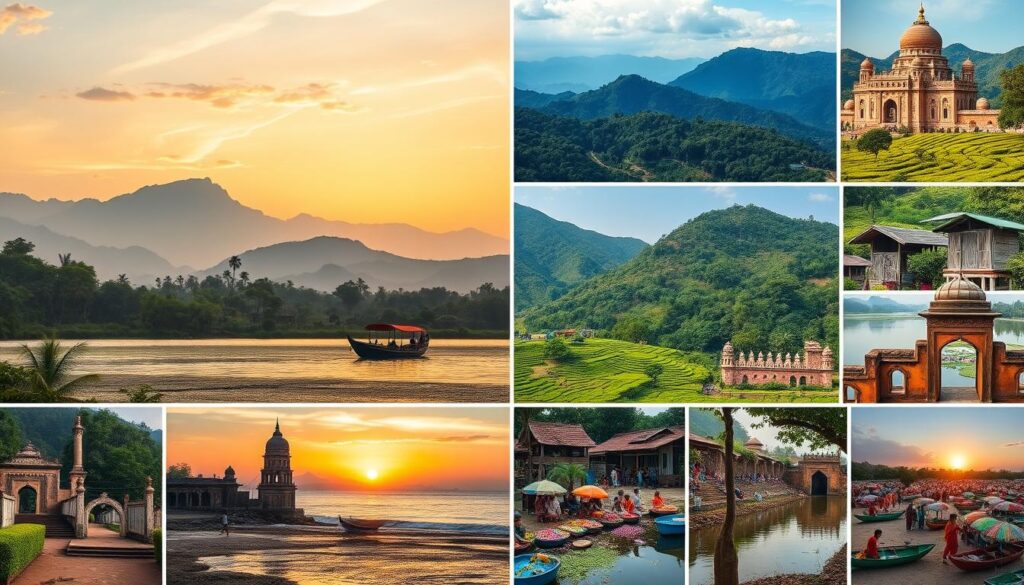
Tourism Vision 2040 should be ambitious. It should aim not merely to increase visitor numbers but to redefine Bangladesh’s place in the global imagination. Through investments in aviation, environmental stewardship, heritage preservation, and world-class visitor experiences, Bangladesh can become a destination that attracts Americans, Europeans, Asians, and travelers from every corner of the globe.
The world is looking for the next great destination. With vision, planning, and determination, Bangladesh can become that destination by 2040.







M.Z.I. Dalton Zahir | Editor +351938707061, PRESS NEWS: travellertimesinfo@gmail.com,editor@travellertimes.net