
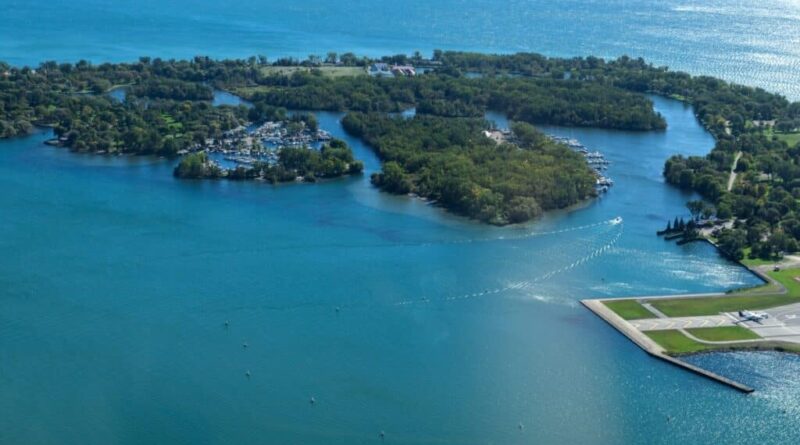
Toronto Islands: A Car-Free Sanctuary on Lake Ontario
Tarana Maharramova: Just a short ferry ride from downtown Toronto lies a place
that feels worlds apart.

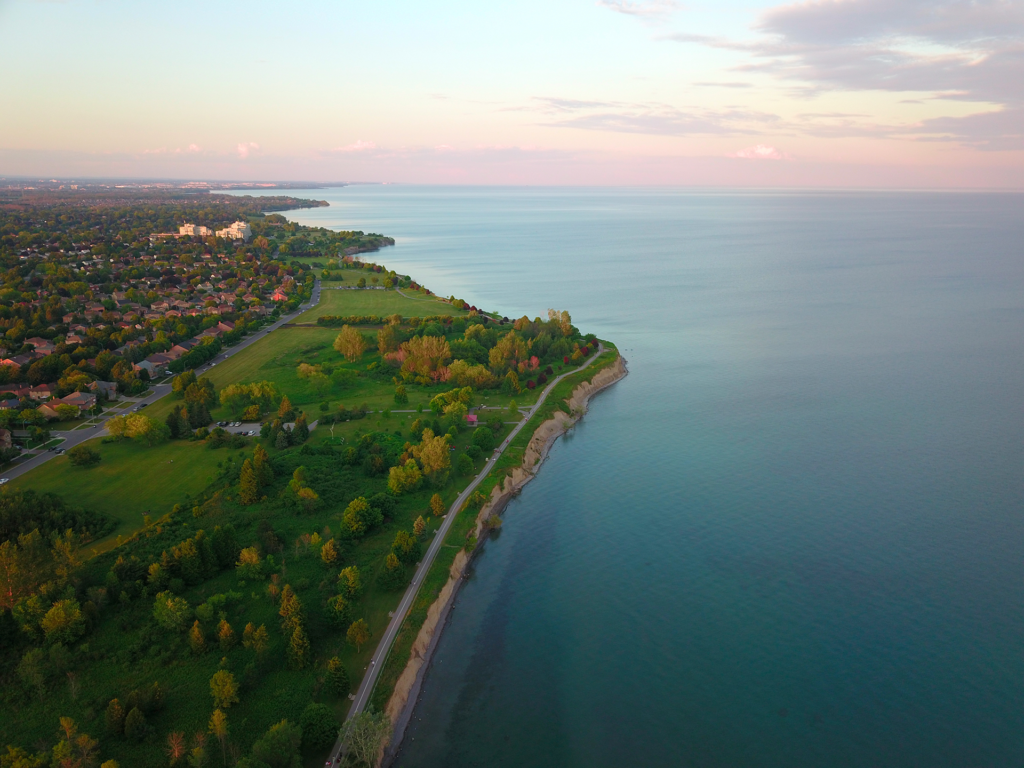
The Toronto Islands, set against
the waters of Lake Ontario, are often described as a
hidden paradise—an urban escape defined by quiet
streets, natural beauty, and the complete absence of cars.
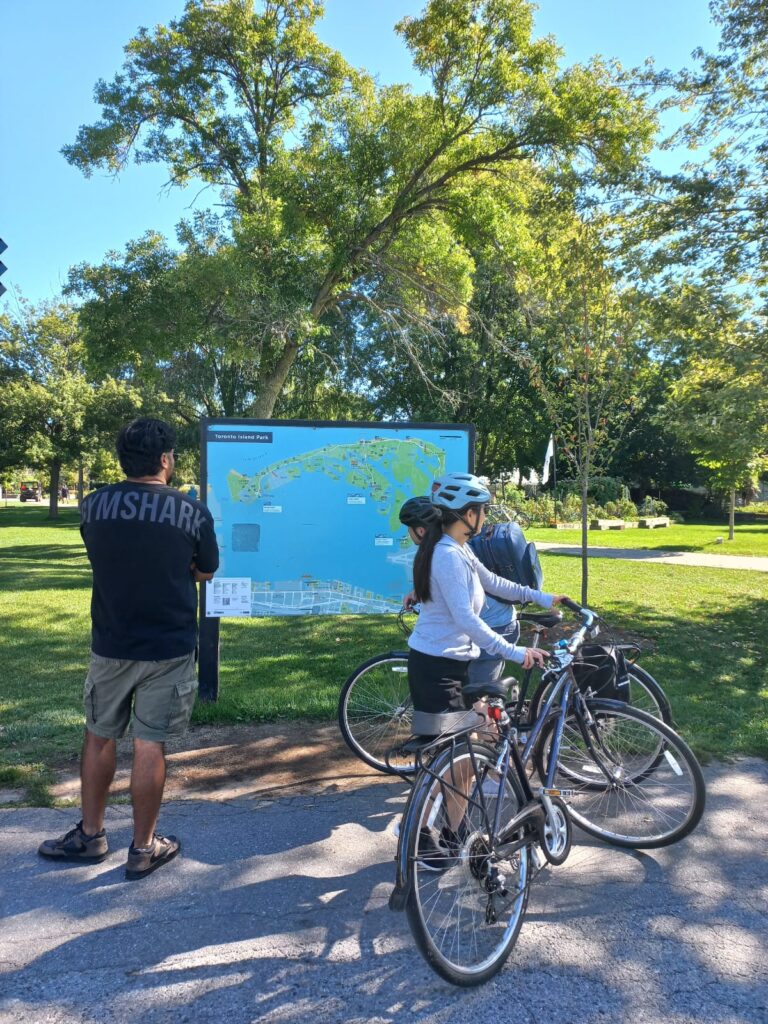
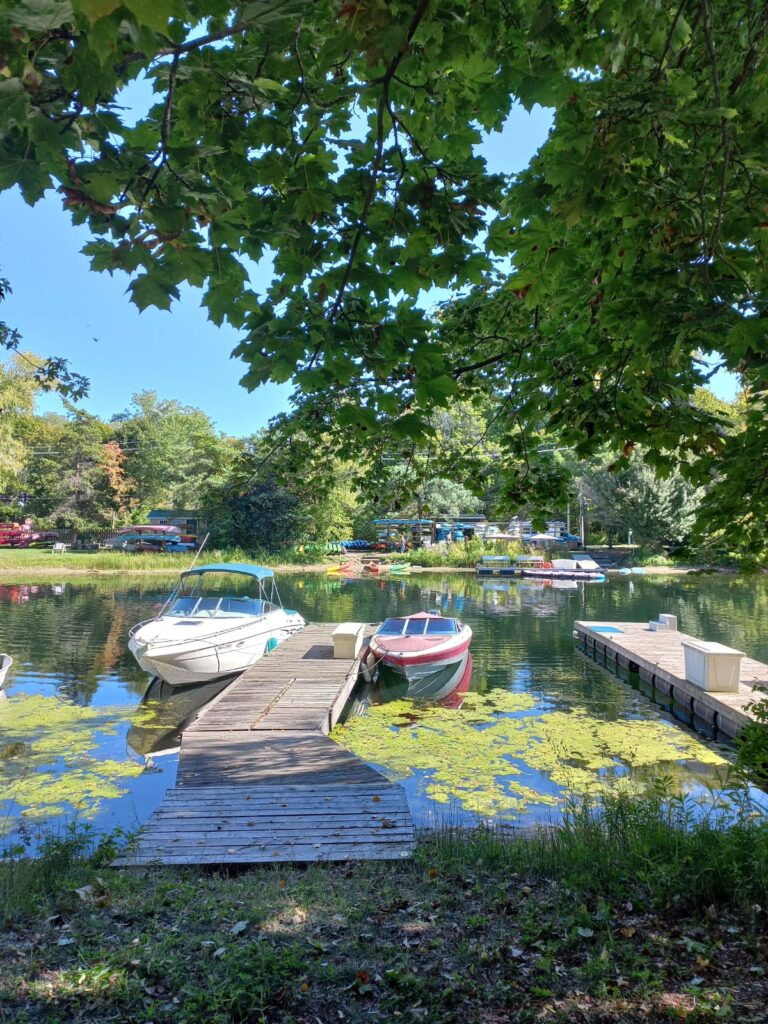
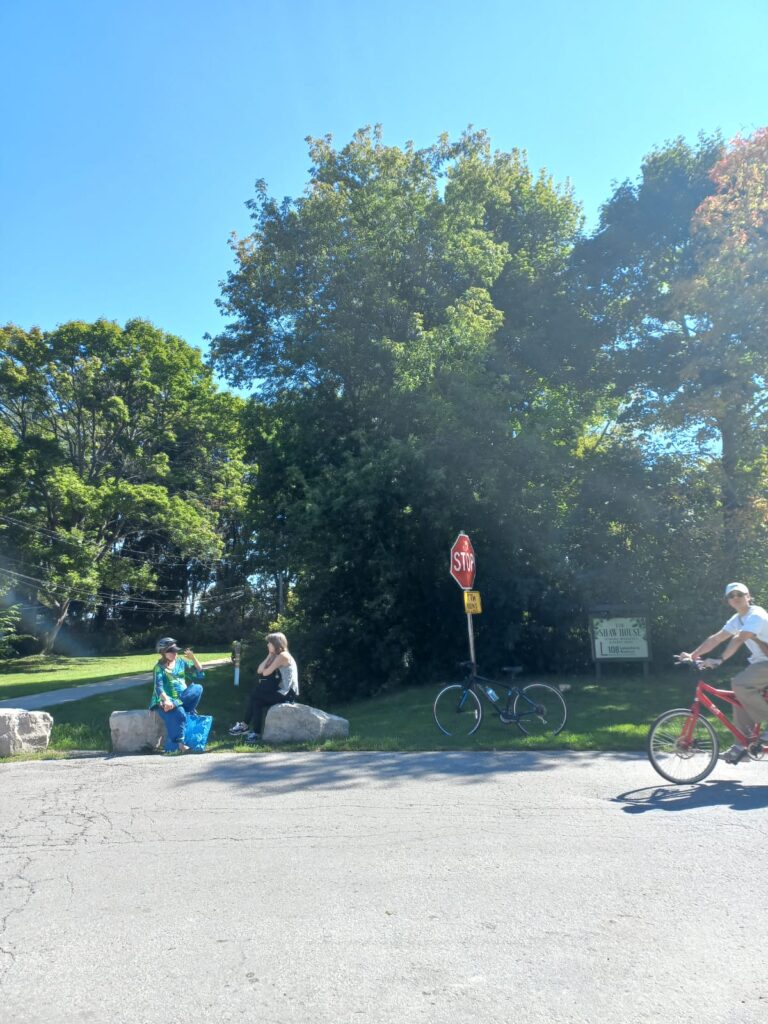
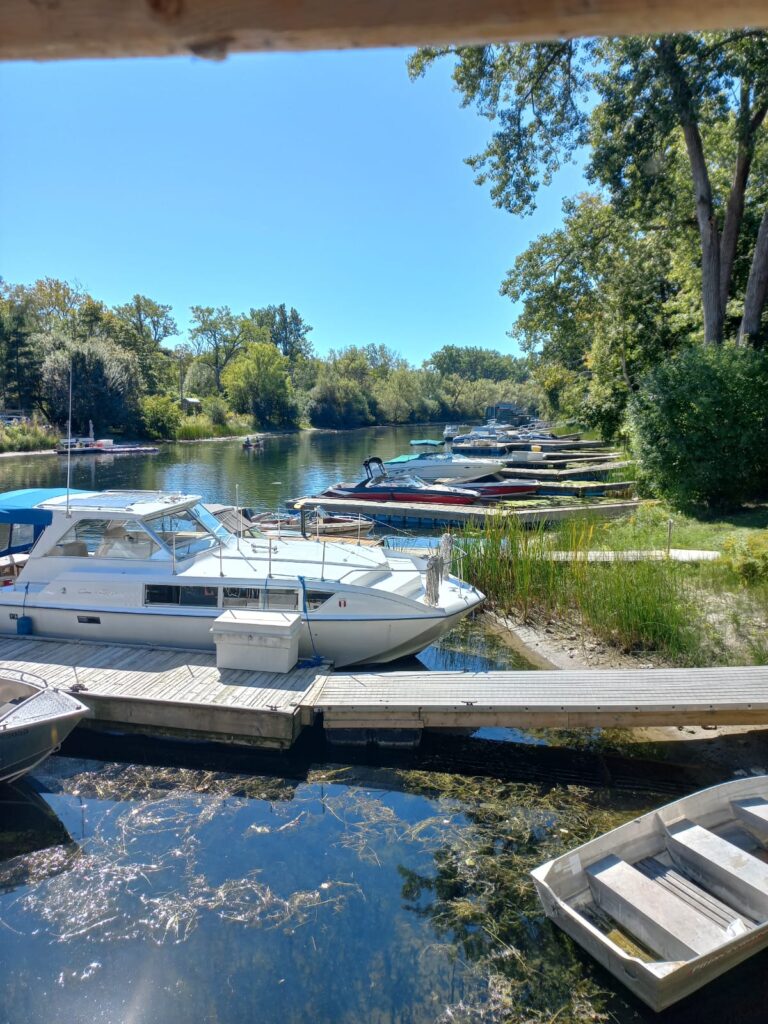
Motor vehicles are not permitted on the islands. Instead,
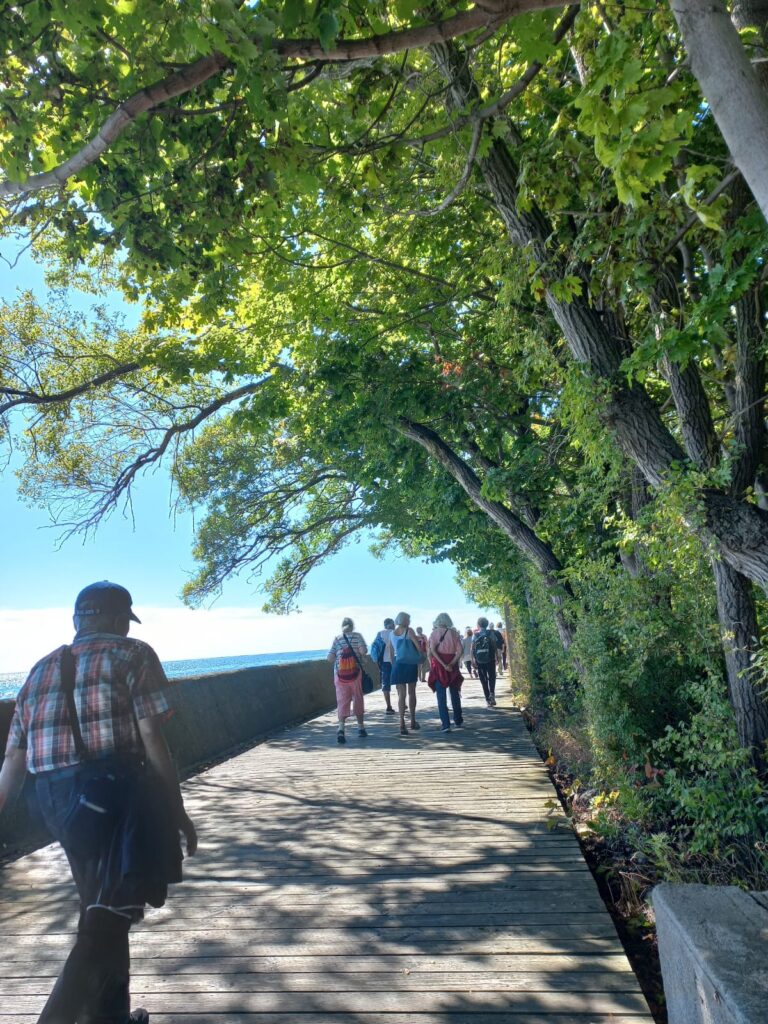
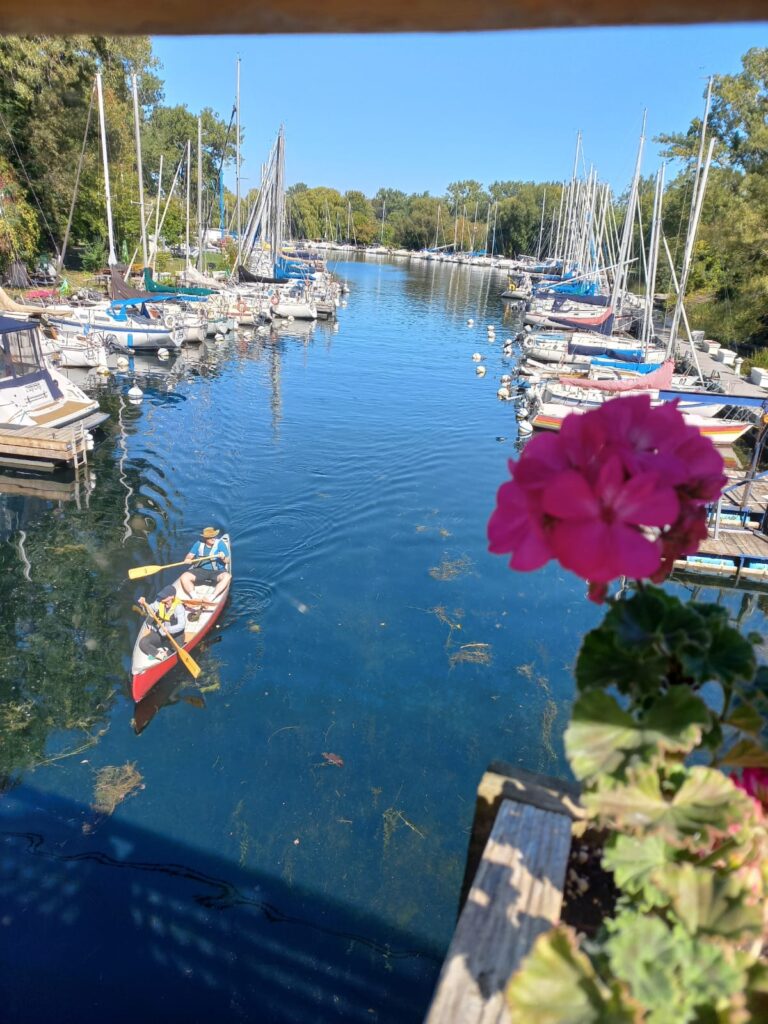
residents and visitors move around by bicycle, on foot, or
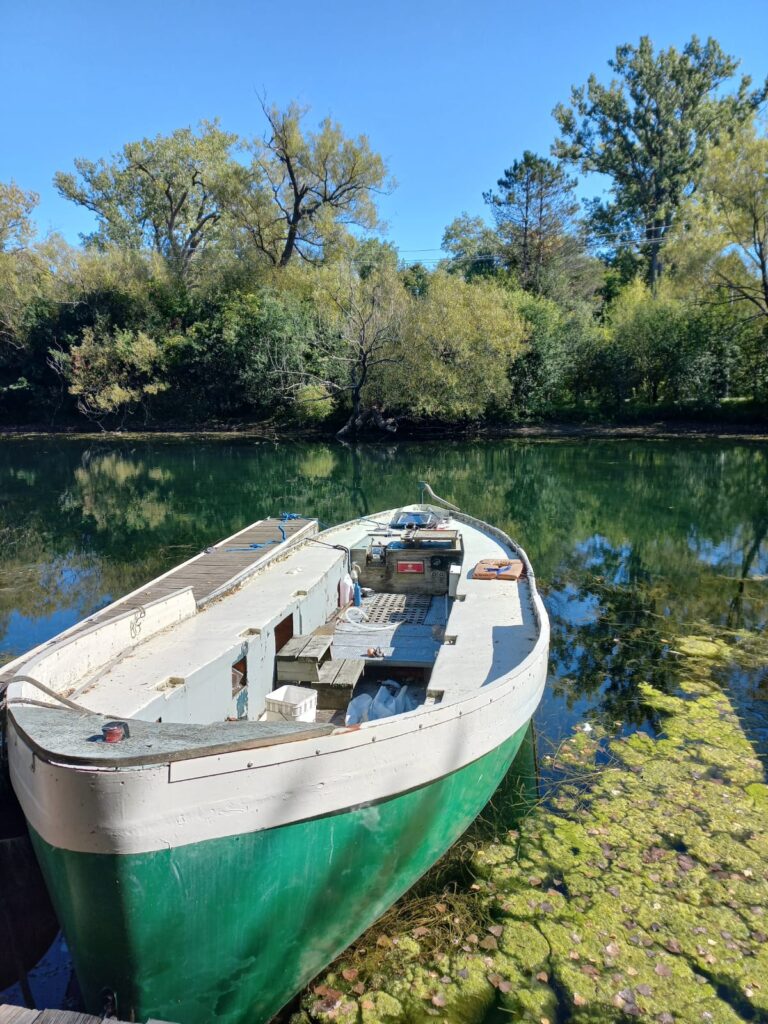
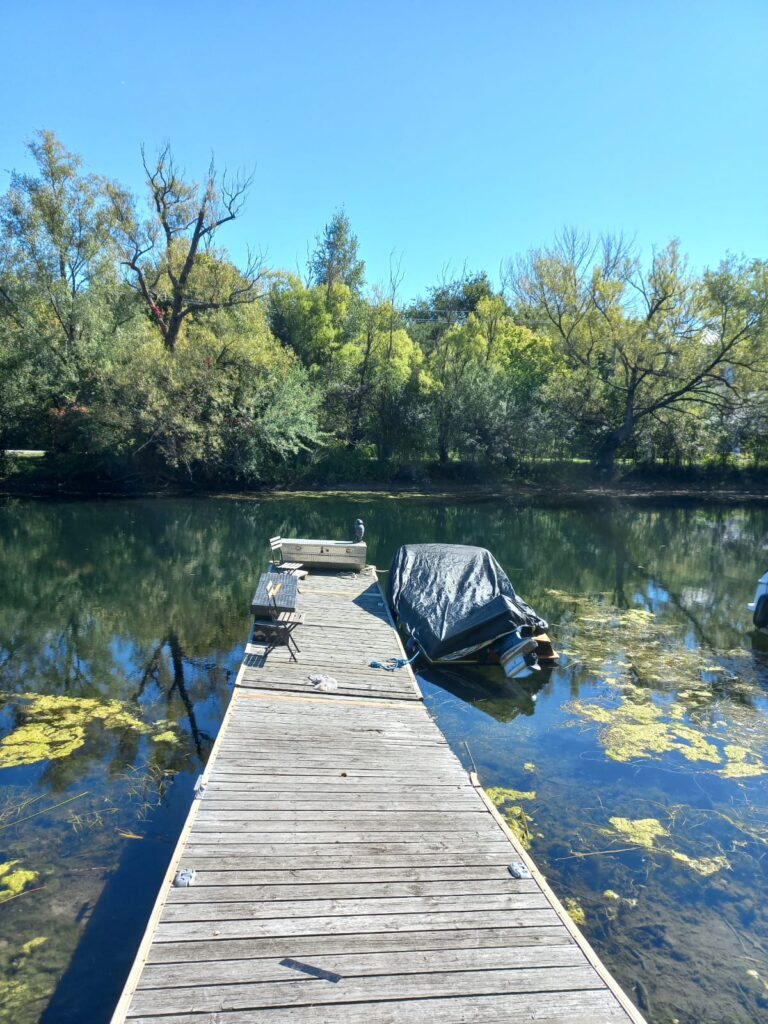
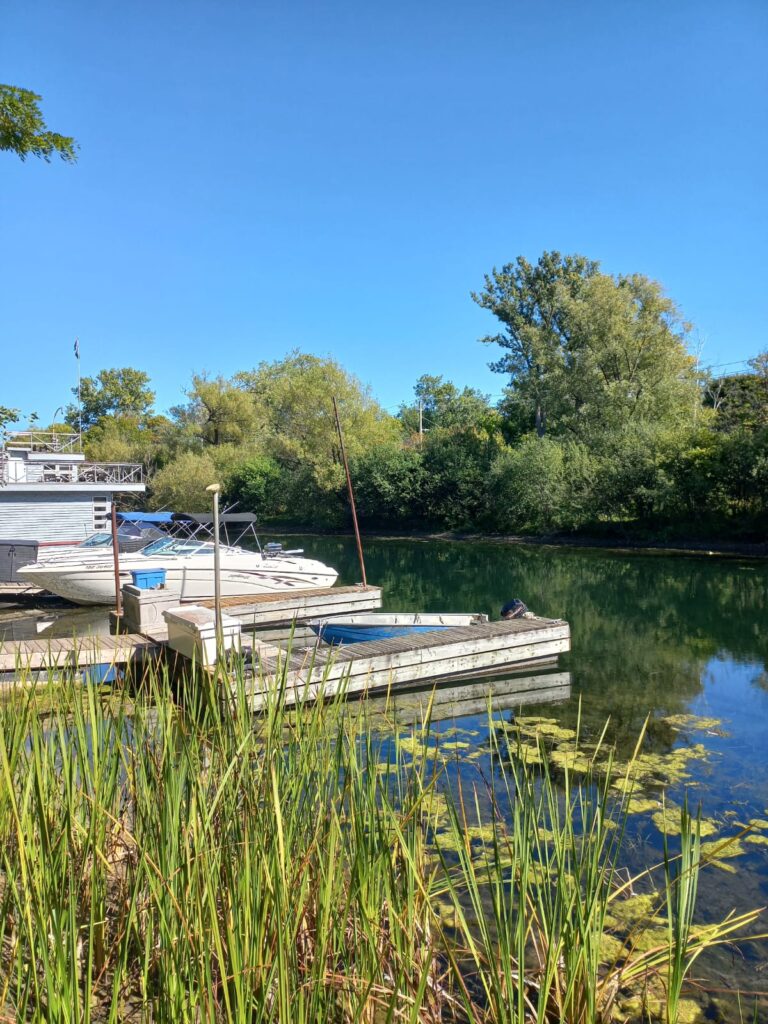
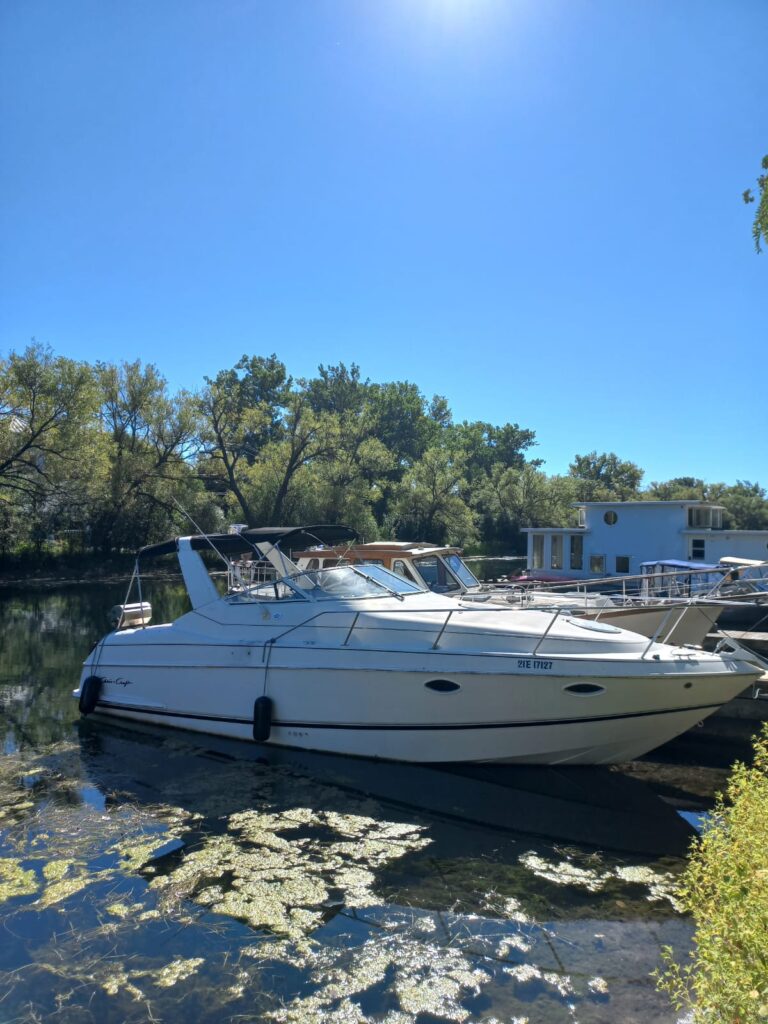
by small watercraft such as canoes and boats.
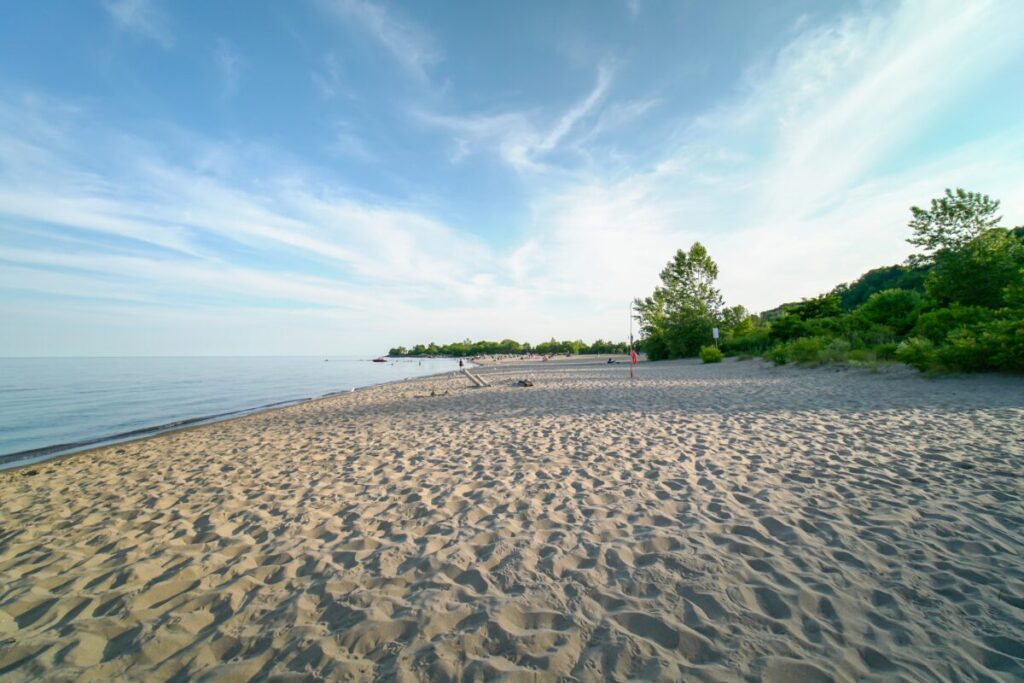
This absence of traffic shapes daily life, creating a calm,
almost village-like atmosphere rarely found so close to a
major city.
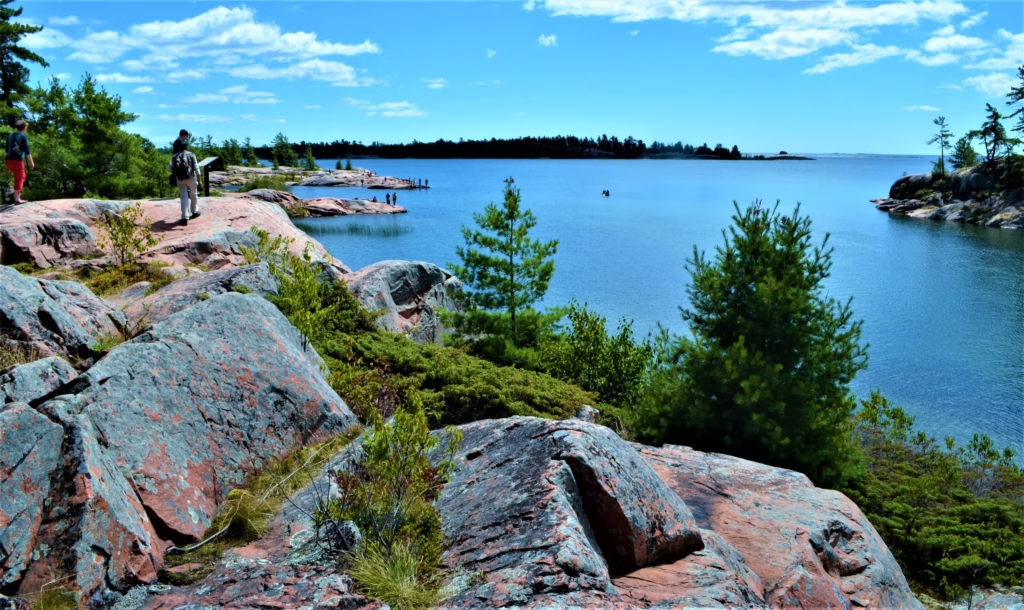
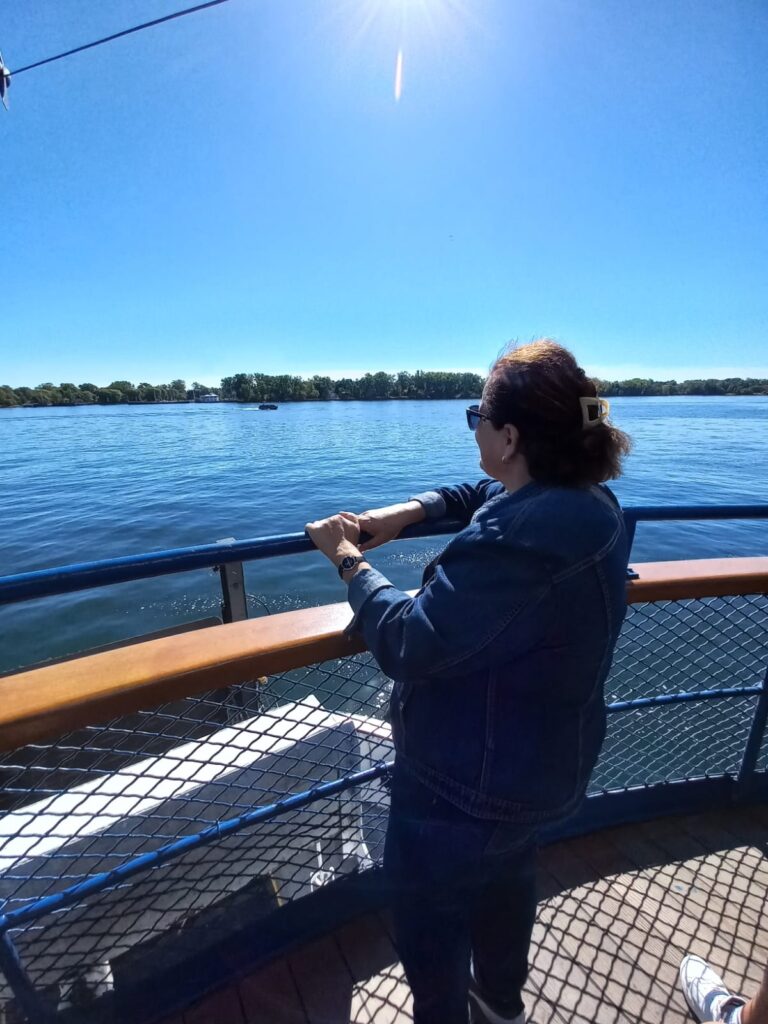
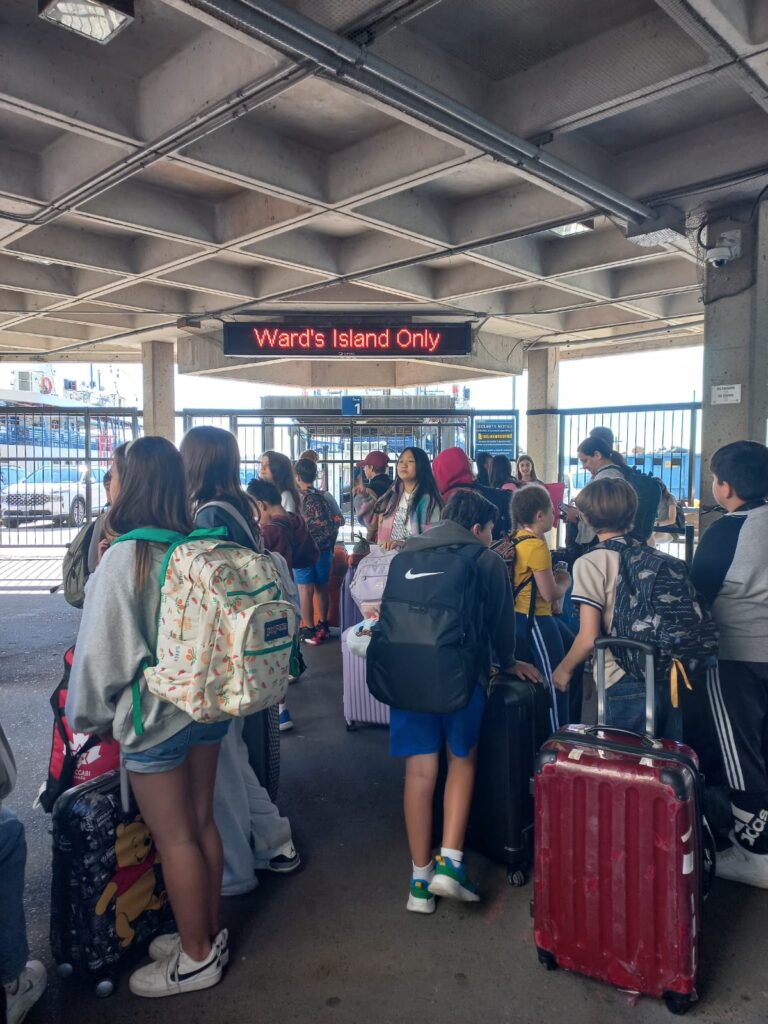
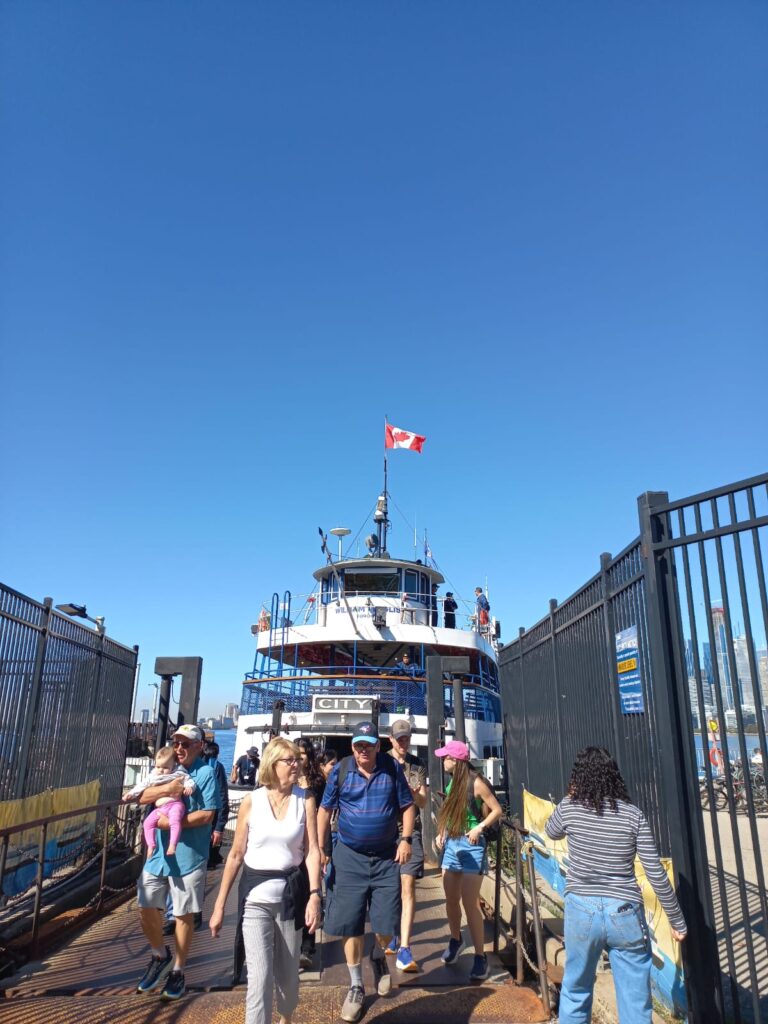
Reaching the islands is simple. Ferries depart regularly
from Toronto’s Harbourfront and take approximately 15
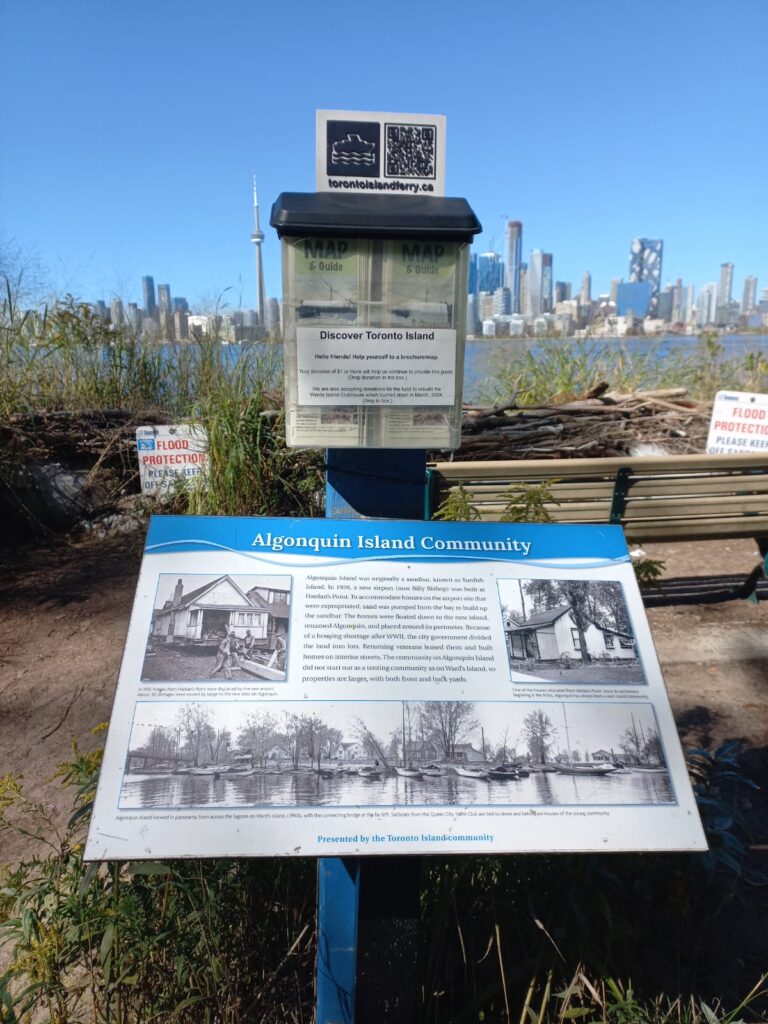
to 20 minutes. The archipelago’s main islands—Centre
Island, Ward’s Island, and Algonquin Island—attract
around 1.2 million visitors each year. Among the
landmarks is the Royal Canadian Yacht Club, established
in 1852, one of Canada’s oldest and most prestigious
sailing institutions.
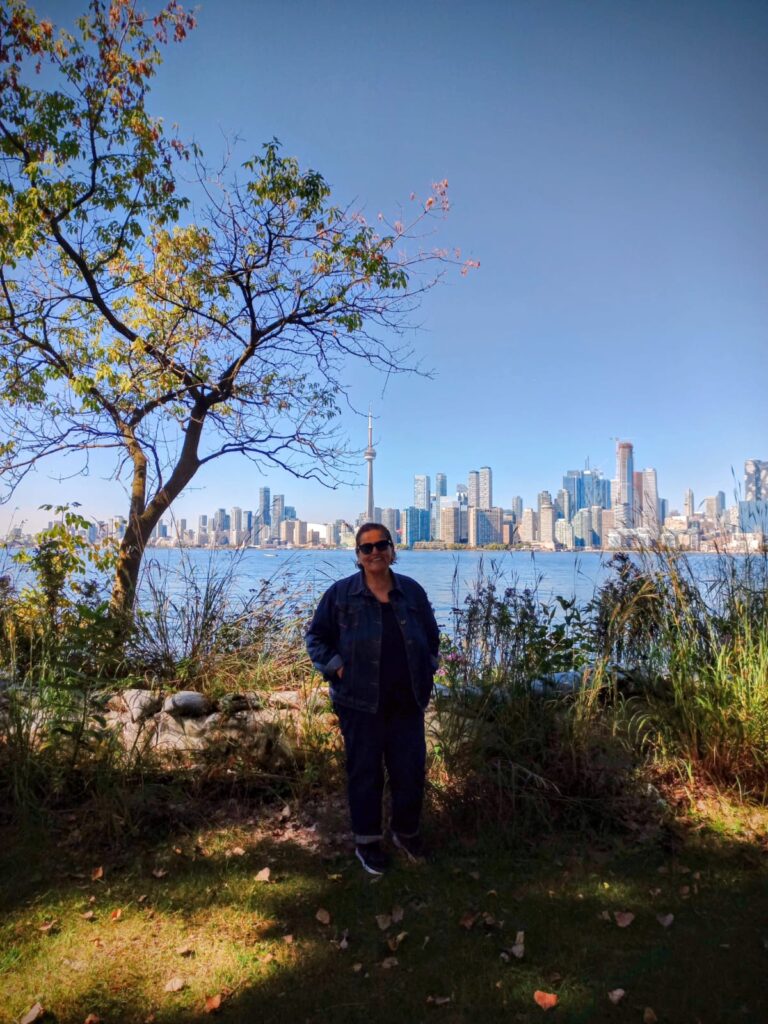

The islands as they exist today were formed in the mid-
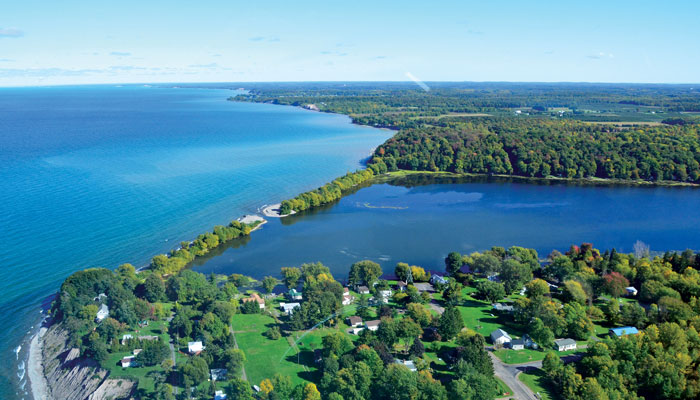
19th century, when a sandbar peninsula was separated
from the mainland by a powerful storm. What remained
evolved into a chain of small islands, later shaped by both
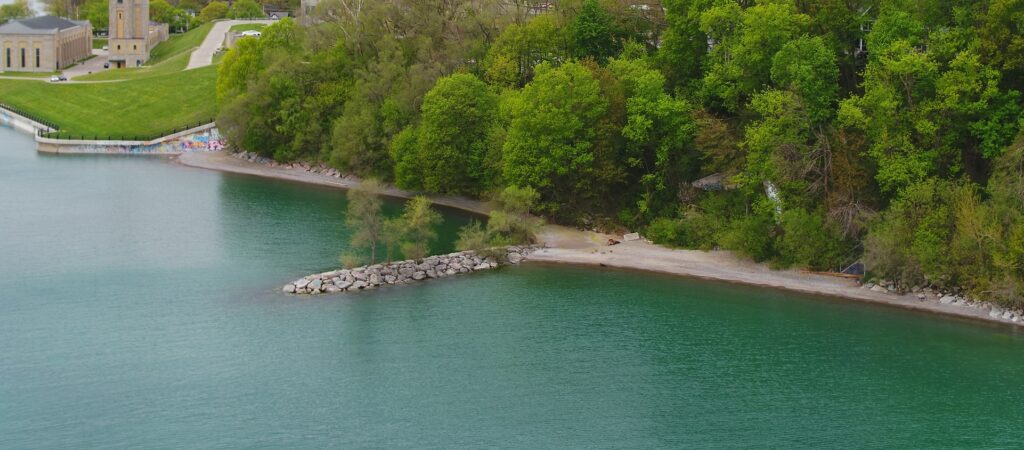
natural processes and human intervention. Protective
breakwaters and connecting bridges were built in the 20th
century to stabilize the shoreline and link the islands
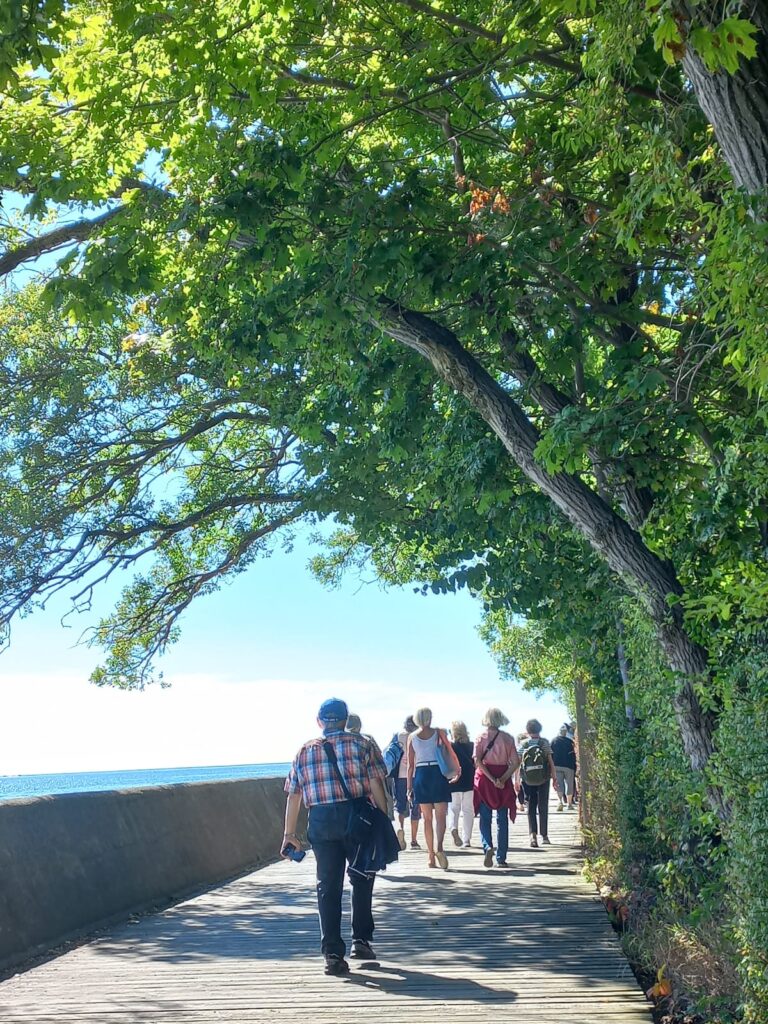
together. Today, a network of paths and footbridges
allows easy movement across the roughly 230-hectare
area, widely regarded as one of North America’s largest
car-free communities.
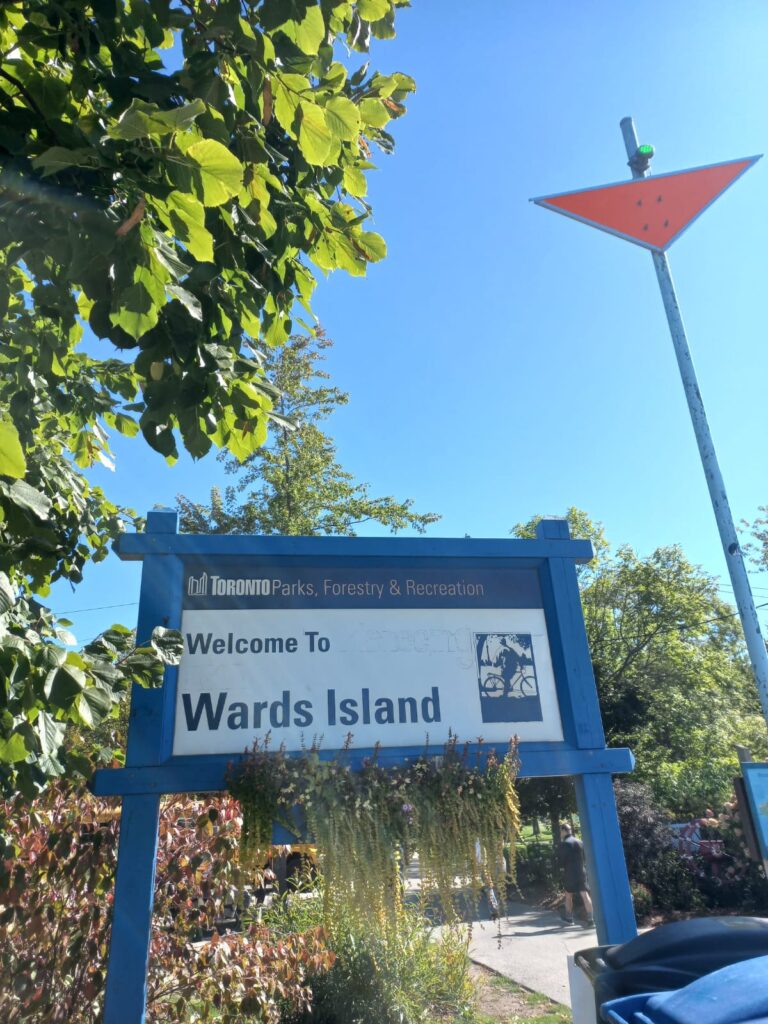
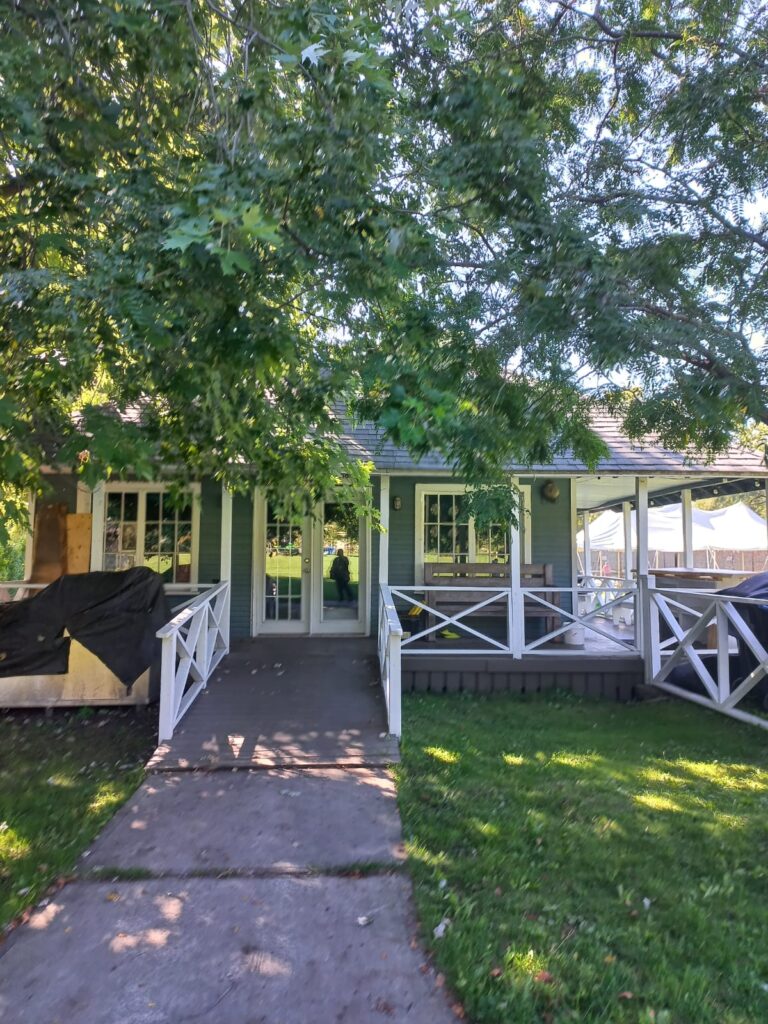
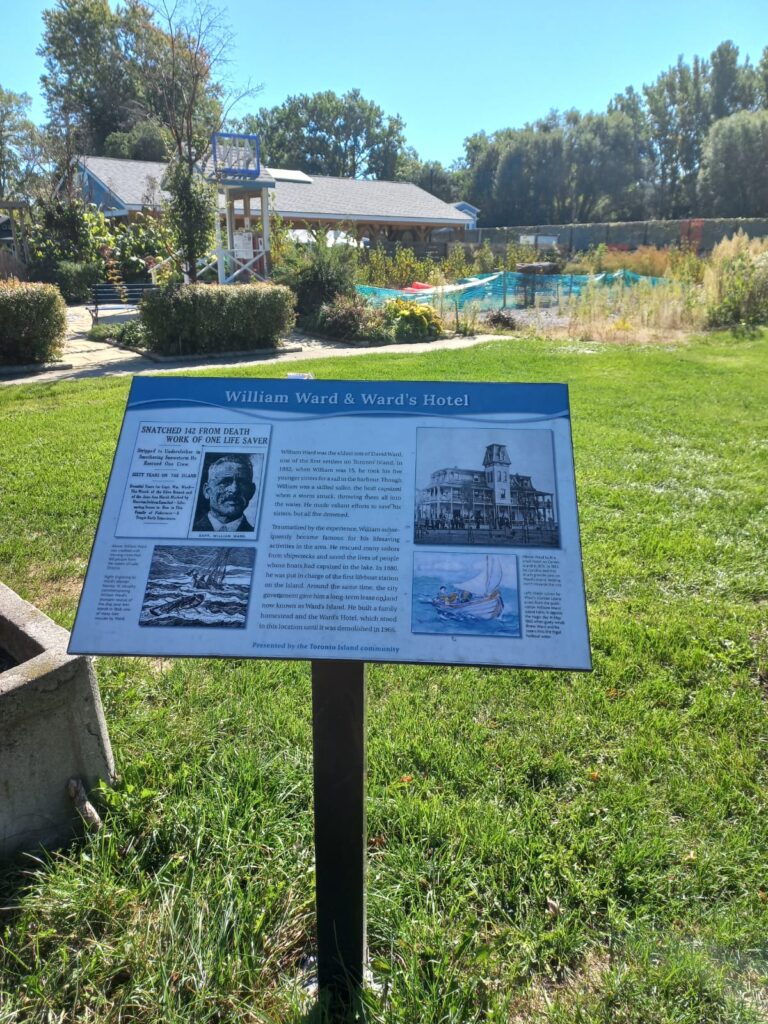
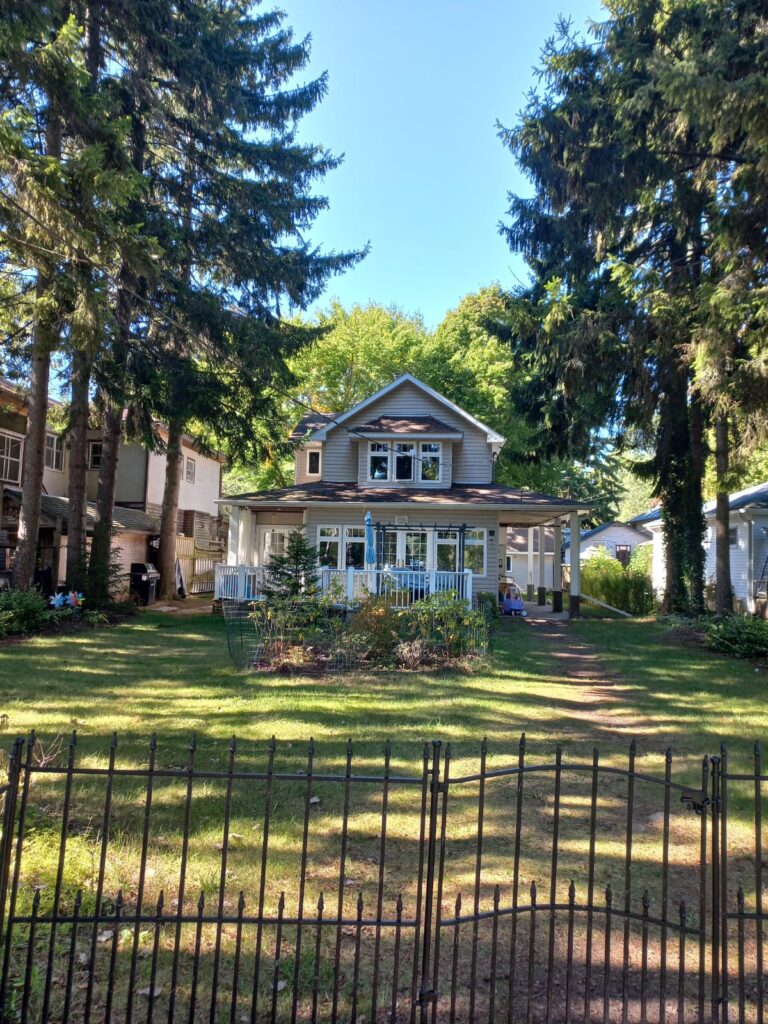
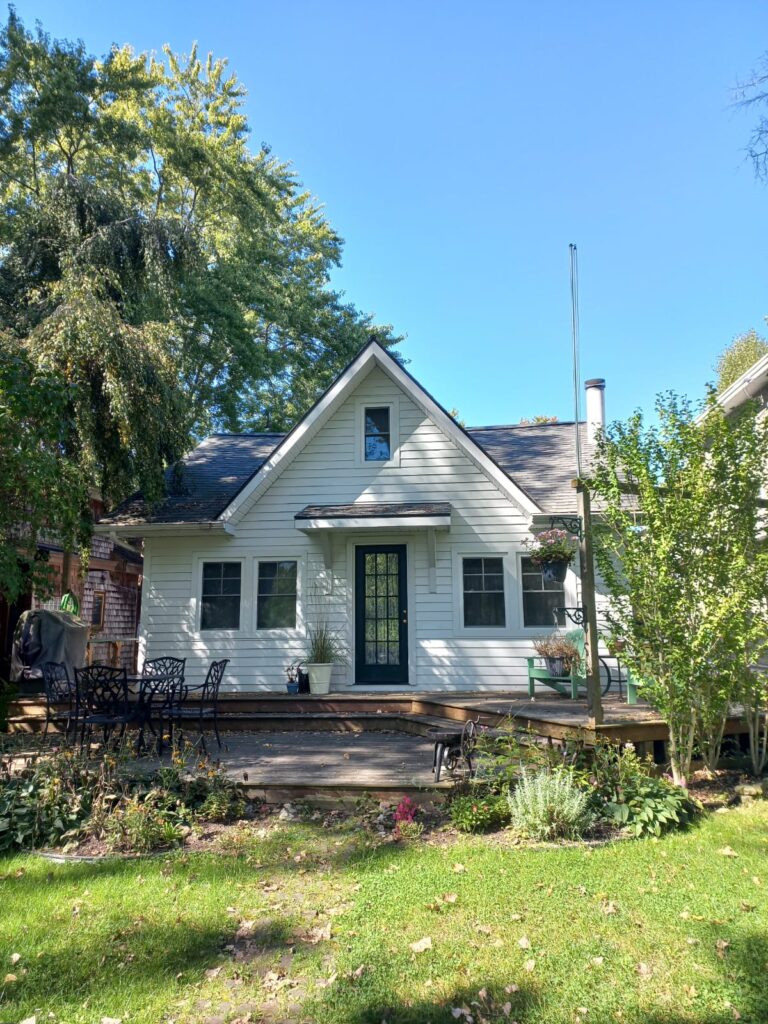
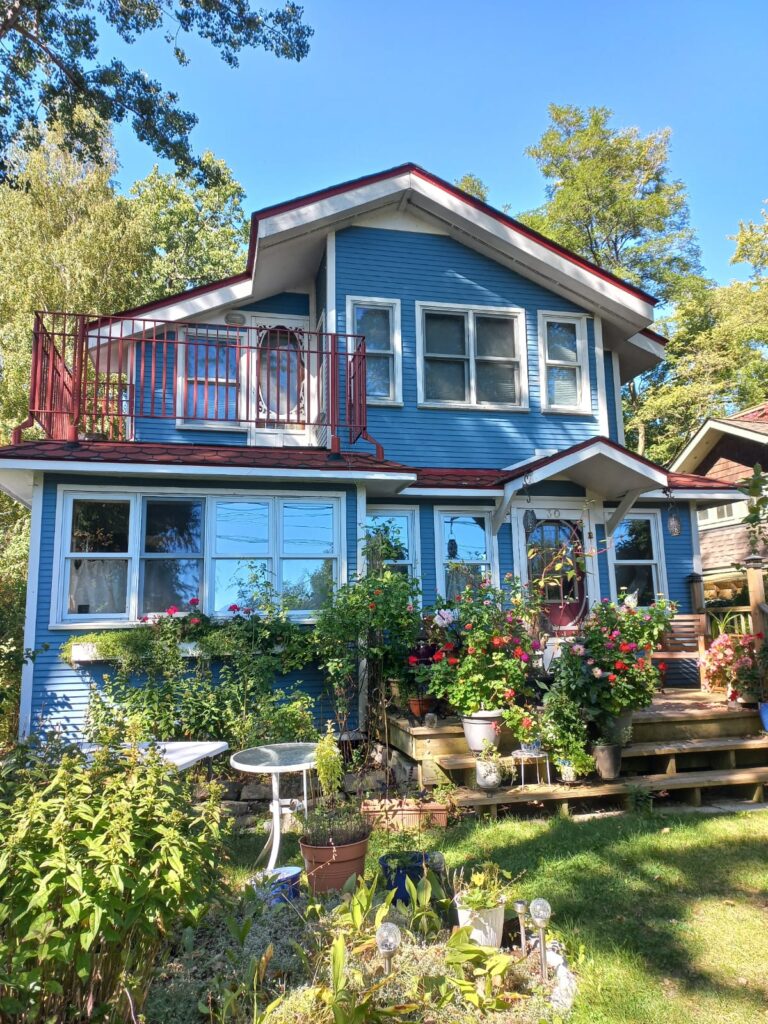
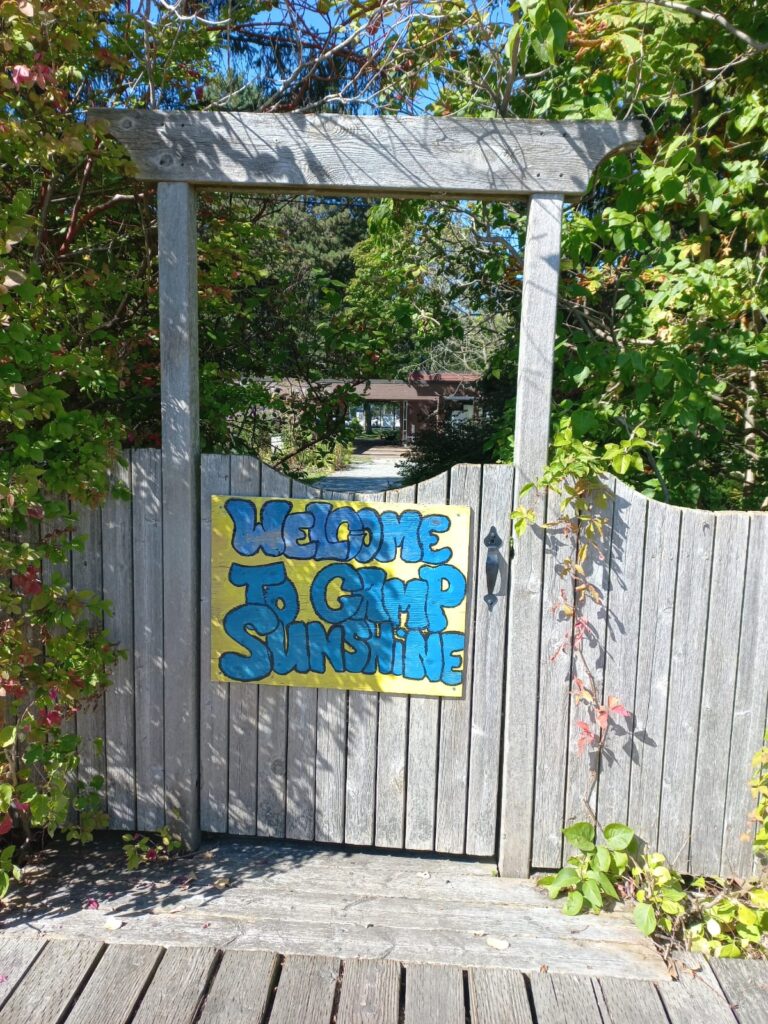
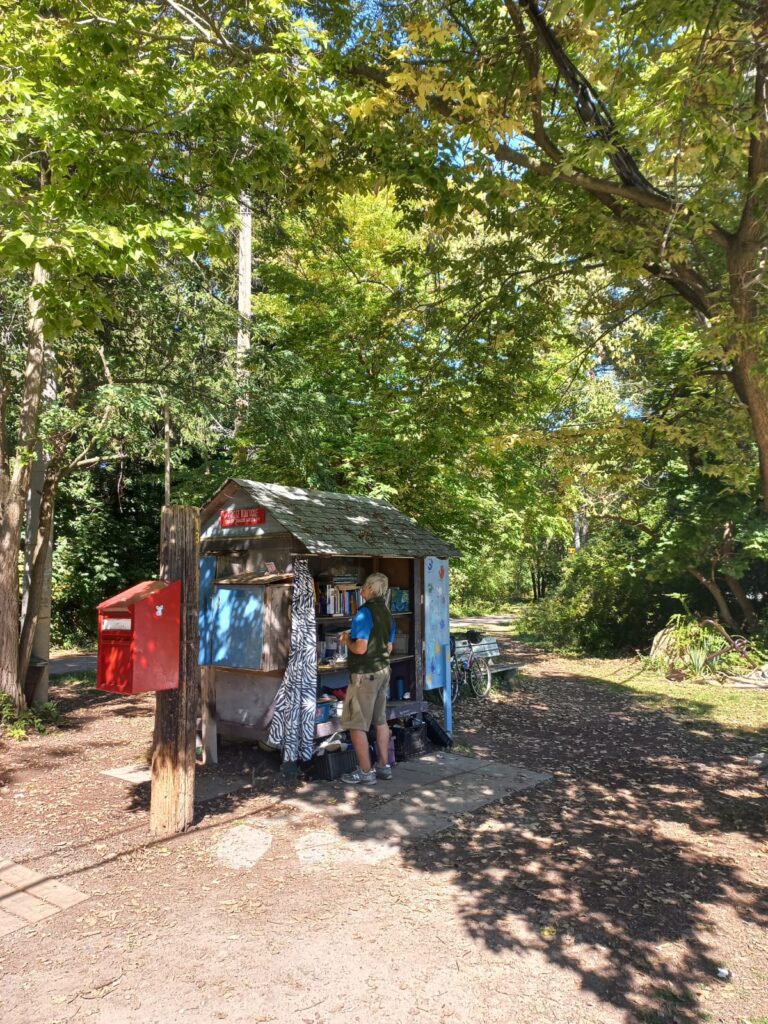
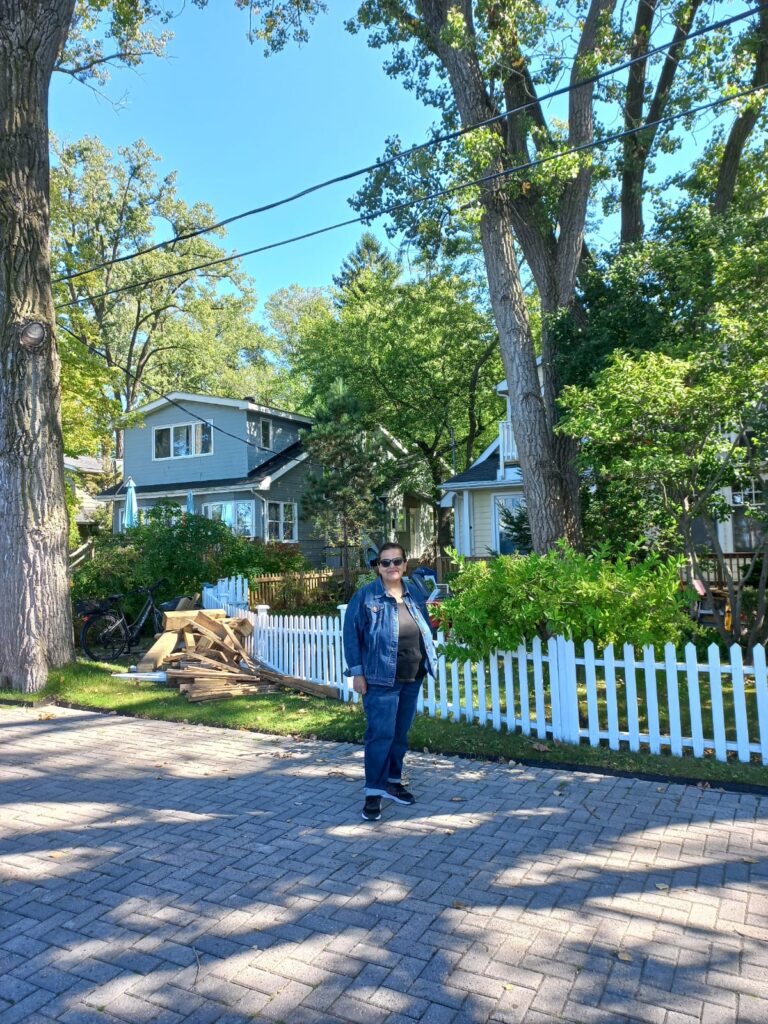
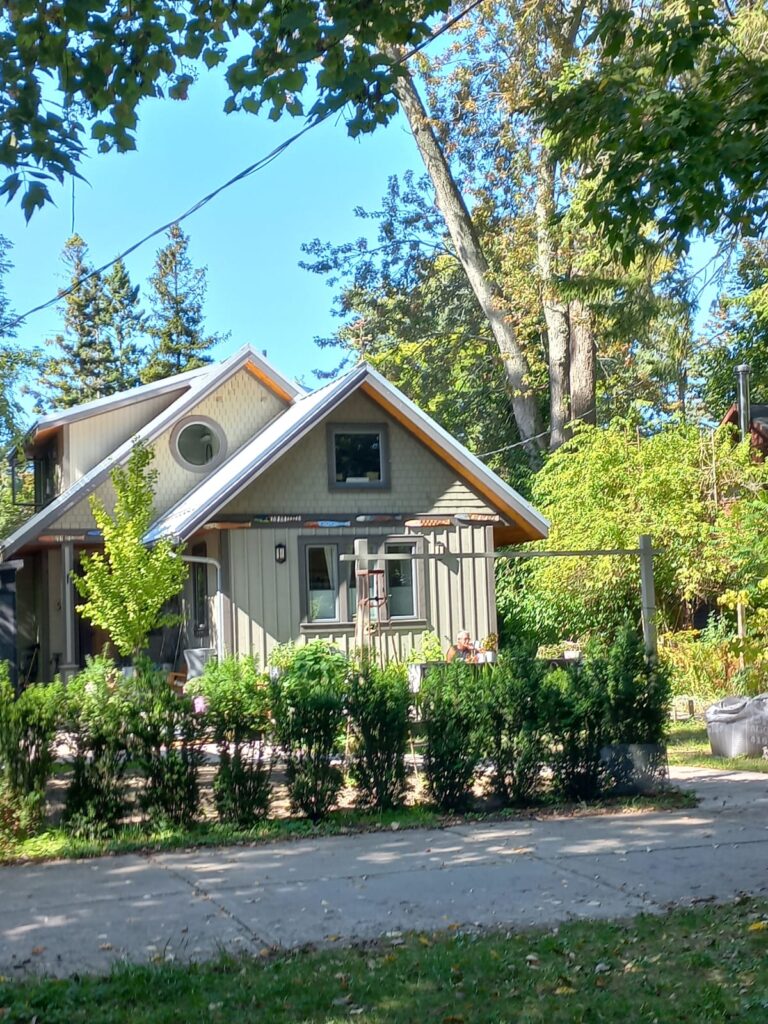
Ward’s Island offers a quieter, more residential feel and
provides visitors with a glimpse into island life. A small
museum and a series of walking trails introduce the
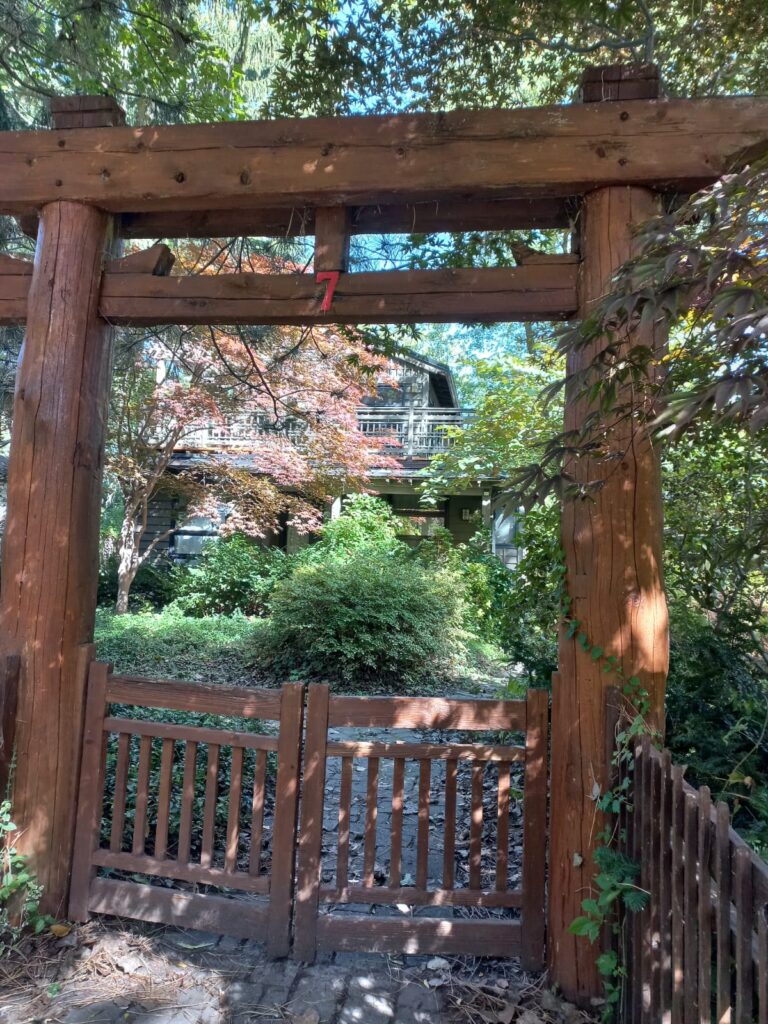
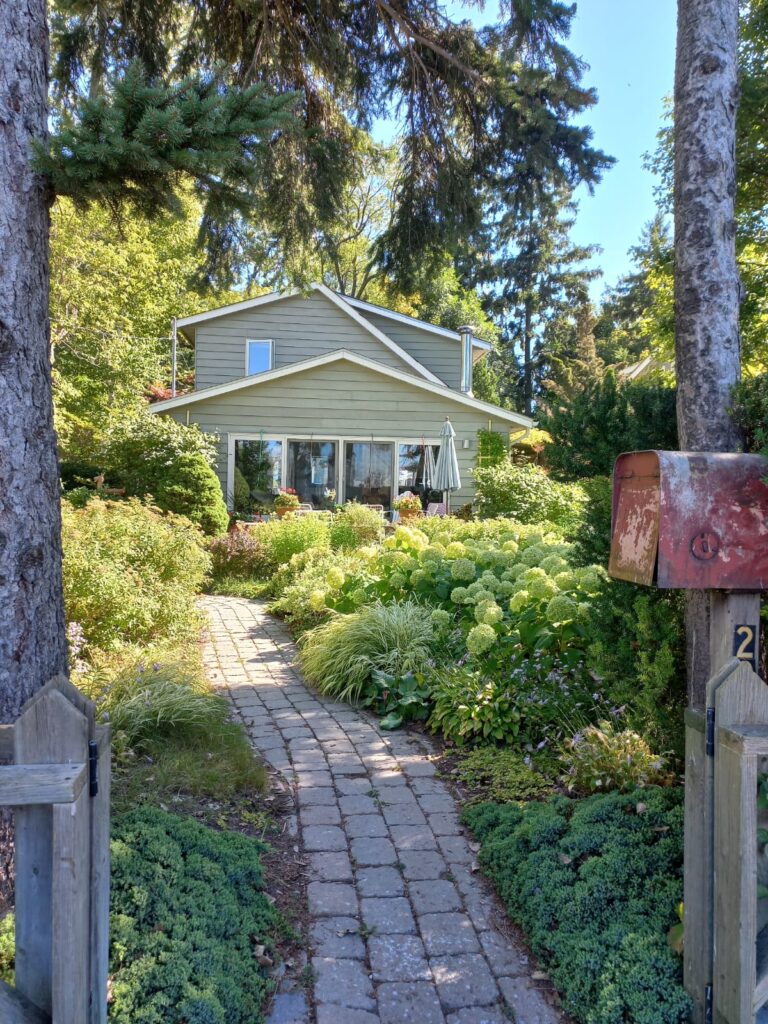
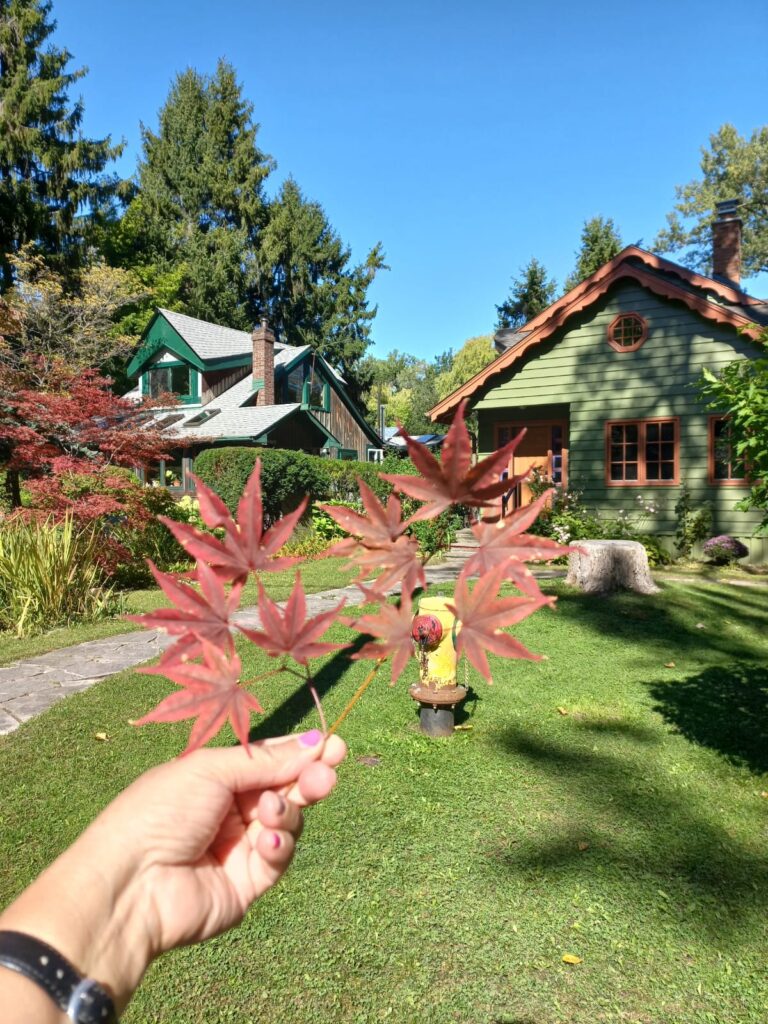
history of the area, while tree-lined paths lead past
charming wooden homes that reflect 19th-century
architectural styles.
The islands were acquired by the City of Toronto in the
late 19th century with the intention of transforming them
into a recreational destination, complete with hotels,
entertainment venues, and summer cottages. Over time,
many of these seasonal dwellings became permanent
homes, giving rise to a stable residential community.
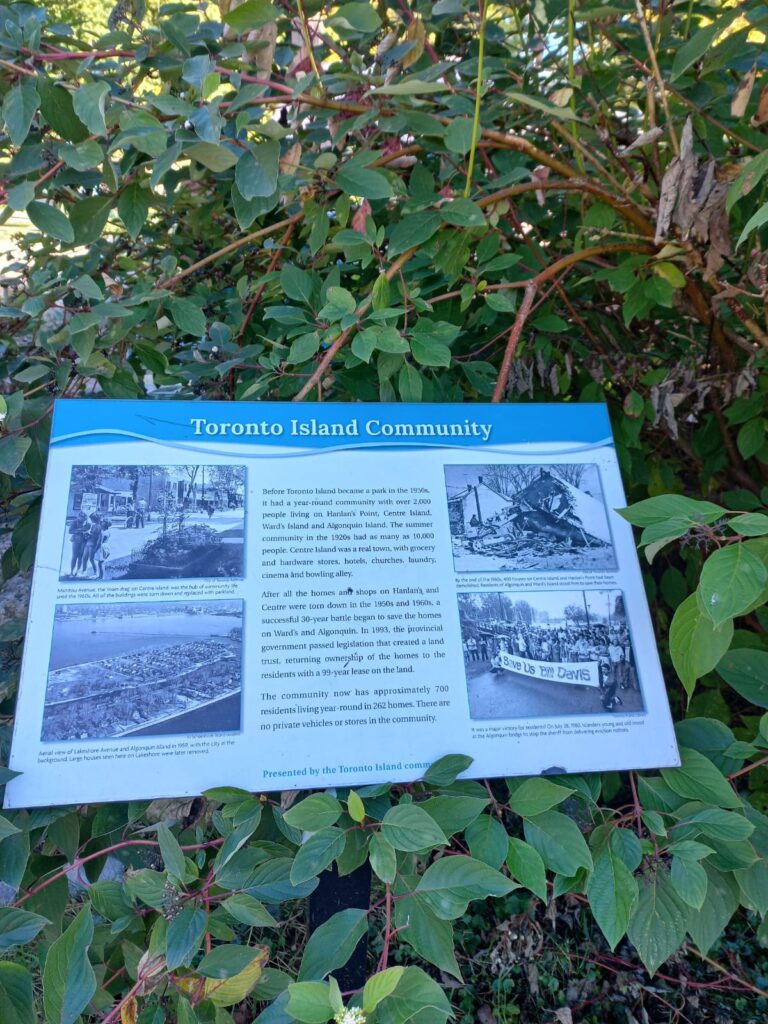
That community, however, has not always been secure. In
the mid-to-late 20th century, city authorities sought to
redevelop the islands as a purely recreational zone. This
led to the demolition and relocation of numerous homes
and triggered a prolonged legal battle with residents. The
dispute was ultimately resolved in 1993, when islanders
secured a renewed 99-year lease agreement, allowing
them to remain.
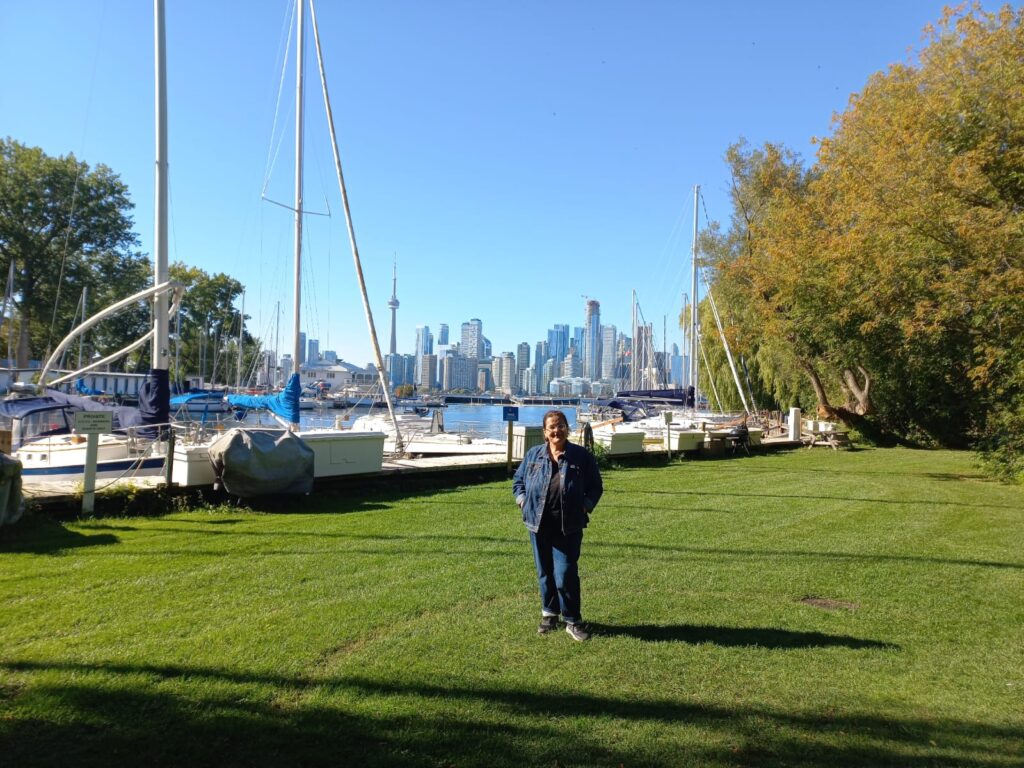
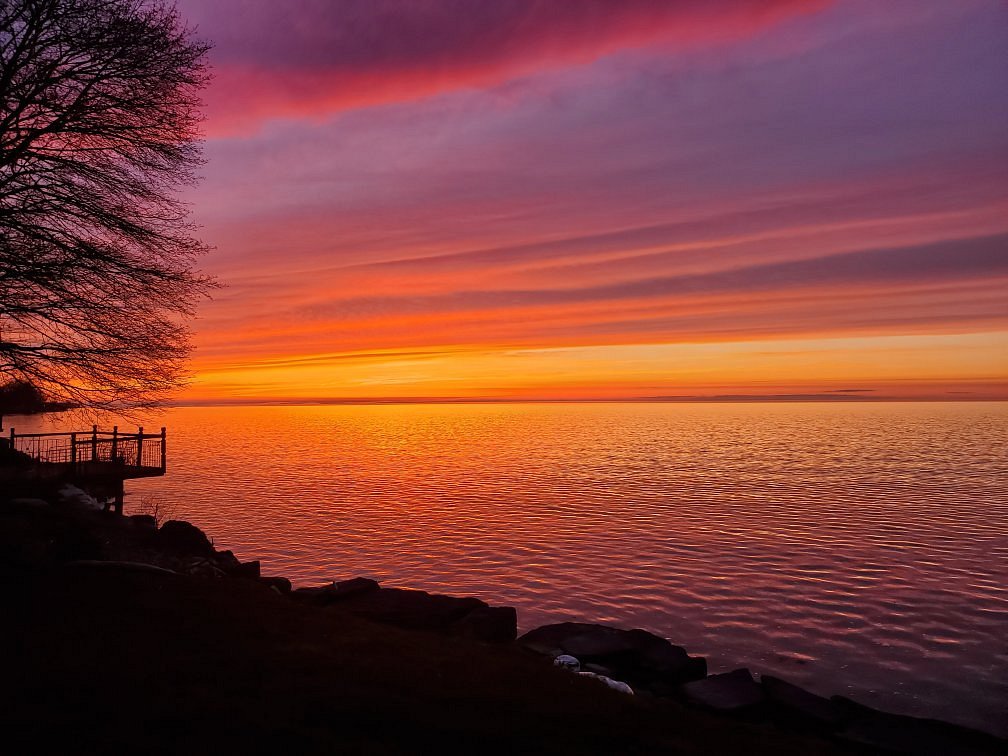
Today, life on the islands follows a rhythm shaped by the
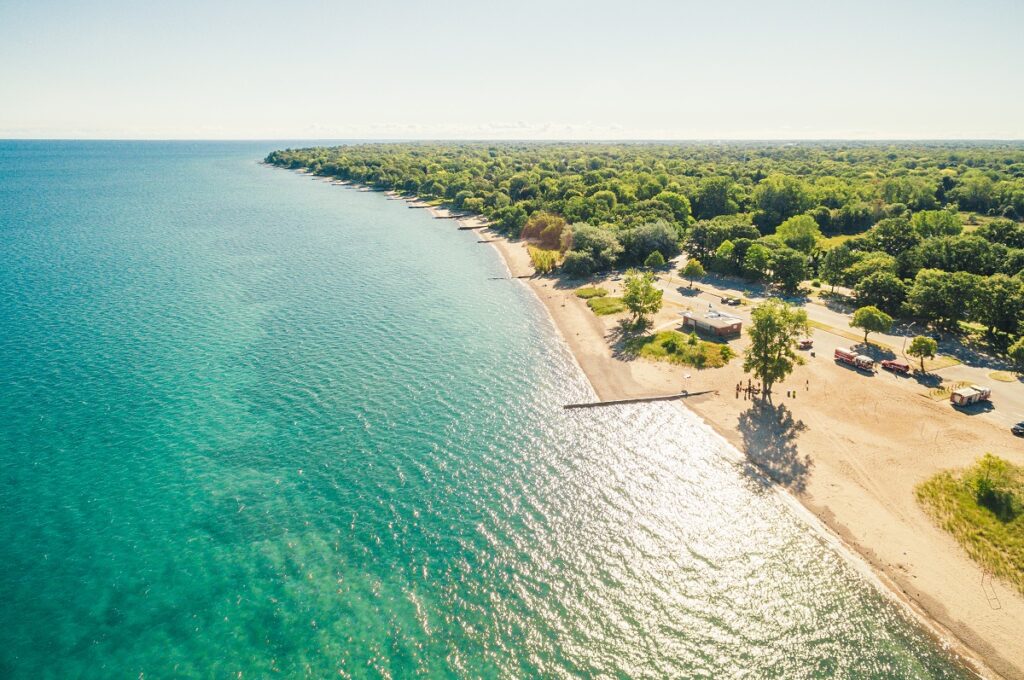
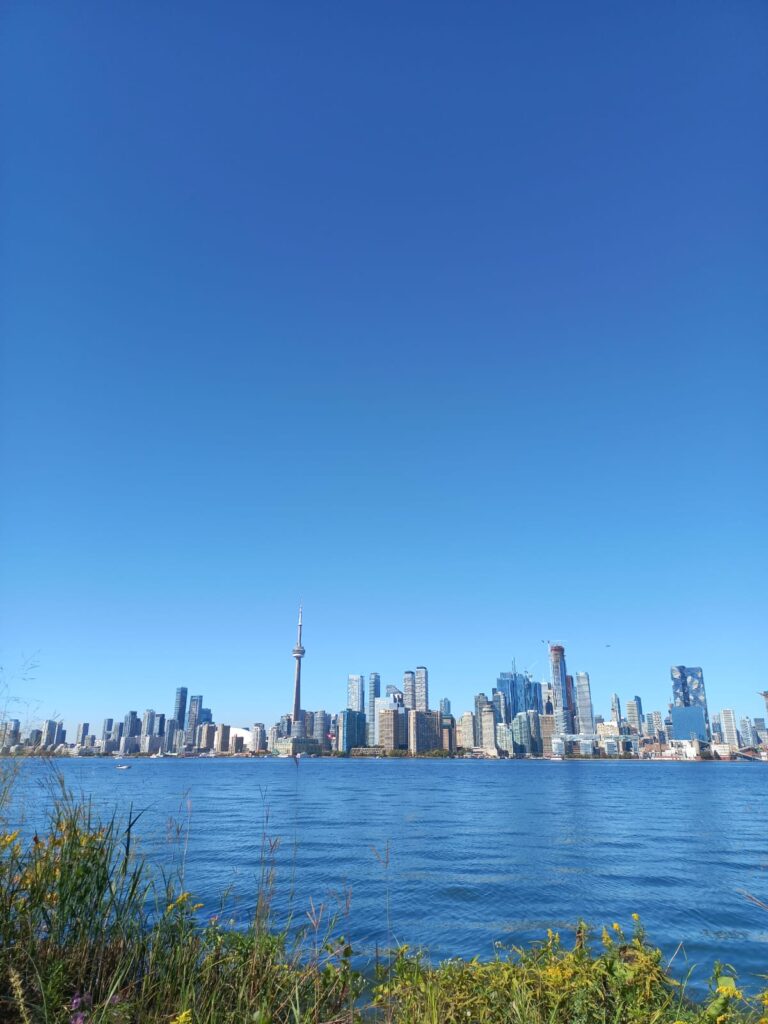
seasons. Spring and summer bring cyclists, picnickers,
and day-trippers drawn by the greenery, beaches, and
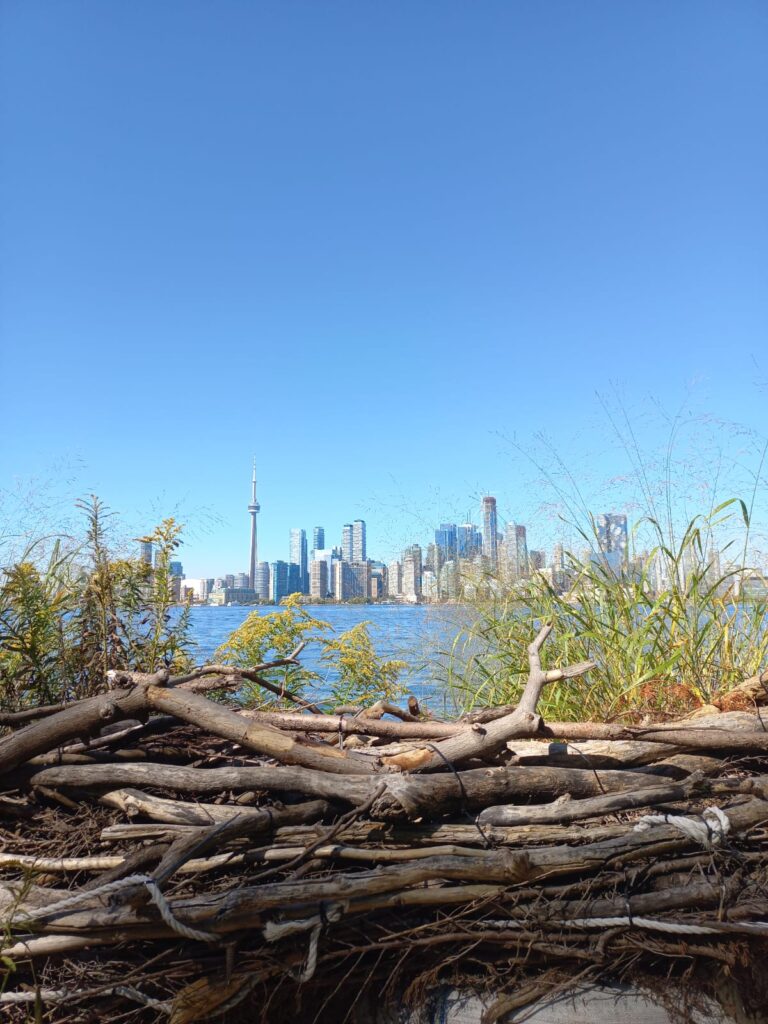
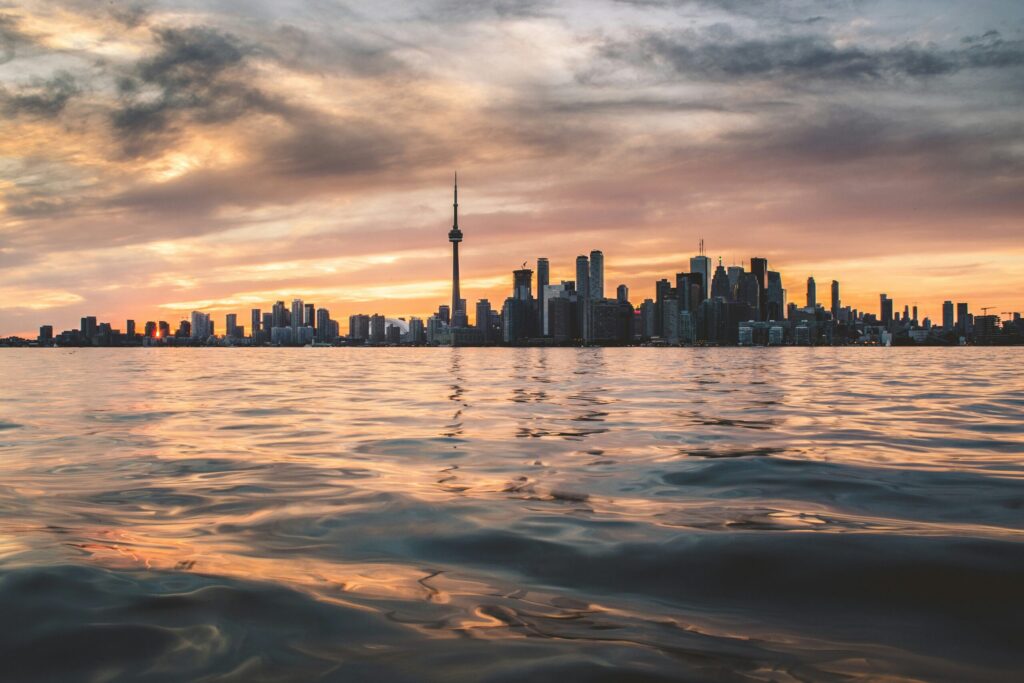
panoramic views of the Toronto skyline. The soundscape
is defined not by engines, but by birds and the gentle
movement of water. In winter, however, the islands grow
quiet, with few visitors and limited activity.

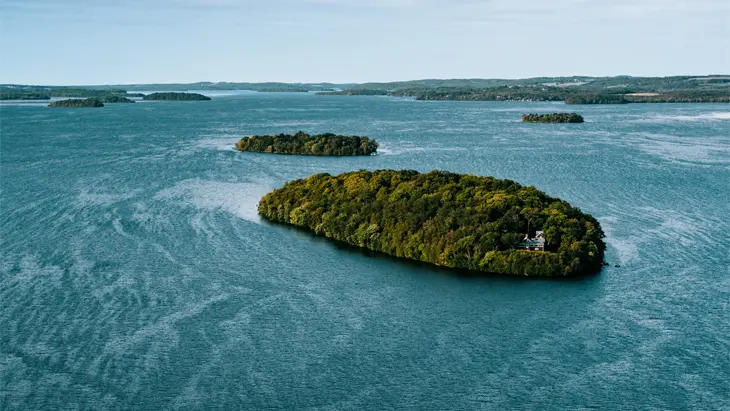
Despite a resident population of roughly 600
people—primarily on Ward’s and Algonquin Islands—the
streets are often nearly empty. There are no grocery or
liquor stores, requiring residents to travel to the mainland
for supplies. Still, the islands maintain essential services,
including a school, childcare facilities, a church, a
medical station, and emergency services. Police patrols
are typically conducted by bicycle or boat.
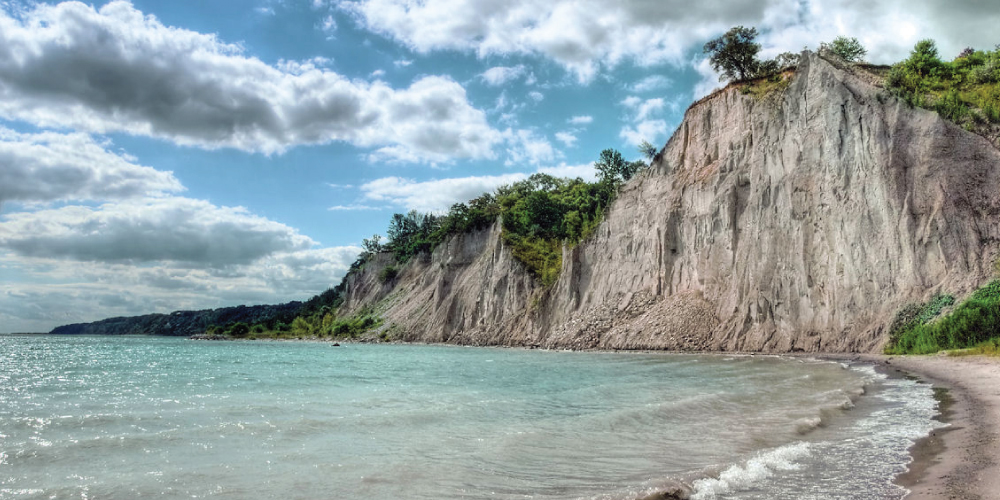
In the more developed areas, visitors will find cafés,
beaches, and a small amusement park. Many buildings
retain their historic wooden character, and prices tend to
be higher than in the city due to the logistical challenges
of transporting goods across the water.
Property ownership on the Toronto Islands is highly
regulated and unusually restrictive. Homes cannot be
freely traded on the open market. Instead, transactions are
overseen by the Toronto Islands Residential Community
Trust. Prospective buyers must enter a lottery-based
waiting list system, paying initial and annual fees to
maintain their place. With only a handful of transactions
each year, purchasing a home can take decades. Residents
are also required to occupy their homes for most of the
year and face strict limitations on renting them out.
As a result, the islands remain not only physically distinct
from the city, but socially and administratively unique as
well.
The contrast becomes most apparent upon return.
Stepping off the ferry into downtown Toronto, visitors are
immediately met with the noise, movement, and density
of urban life—an abrupt shift that underscores just how
rare and peaceful the Toronto Islands truly are.

Tarana Maharramova
Ward’s Island, Toronto