EVOLUTION OF ” MICE ” TURISM IN SPAIN SINCE SIXTH ARTICLE ON THE
EVOLUTION OF ” MICE ” TURISM IN SPAIN SINCE SIXTH ARTICLE ON THE OCTOBER 1986 By José Aleixandre Caballero
We will remember that period 1986-1996 as an exciting one, full of uncertainties and hopes that once again made them important years… they were highly evolutionary and intelligently forward-looking.
It was a time when momentum began to be given to a modern tourism industry, preparing to meet the demands foreseen in the contemporary global market… that we wanted to attract and in line with the changes promoted and taking place in international quality tourism trends… a decade in which Spain always positioned itself and acted, predisposed to qualitative changes and adaptations in order to offer the different MICE source markets the accommodations and services suited to their “modern” needs and demands, beginning a gradual and constant development in the construction of higher-category hotel rooms in the main Spanish capitals.
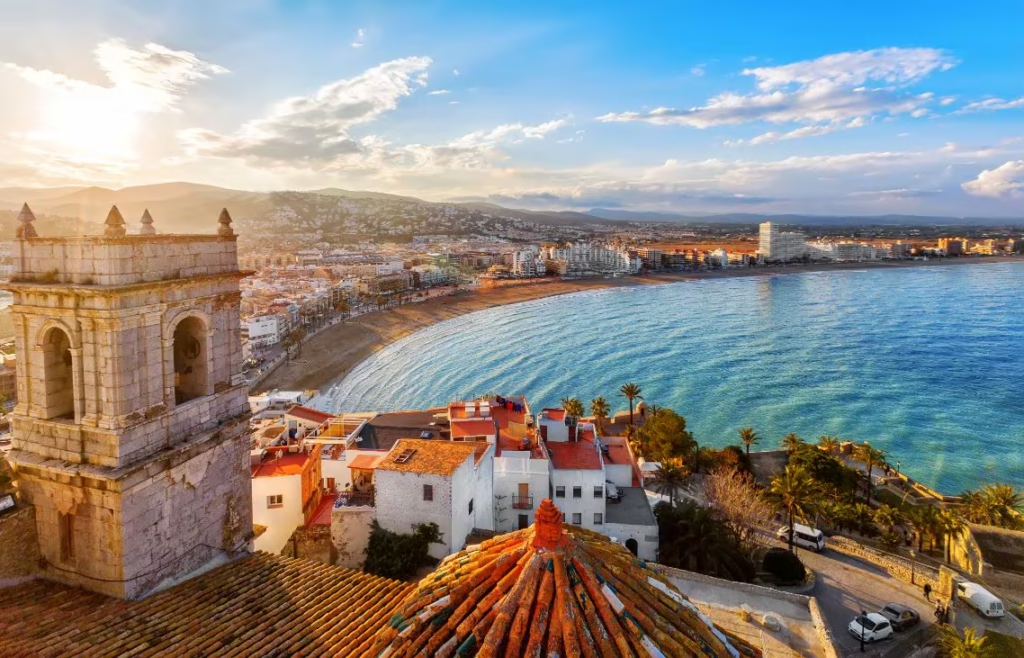
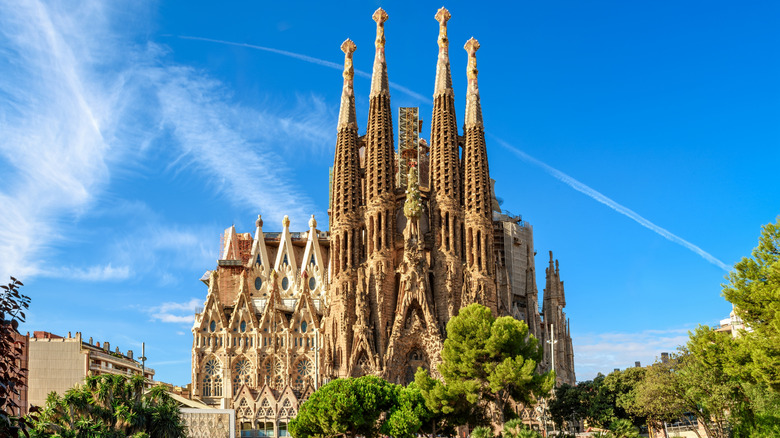
Let us remember how October 17, 1986 became an important date for the Spanish tourism industry… the historic moment when Barcelona was named host city of the 1992 Olympic Games… all of Spain got “moving” to capitalize on and not let slip the great opportunity presented in that very near future… it took advantage of the boost to organize itself and generate, from regional and central governments, synergies to carry out major structural projects while deciding to promote and support those initiatives that would carry out private and civil investments in order to create venues and hotel structures that would provide accommodation and host the important “beginning-of-an-era” events.
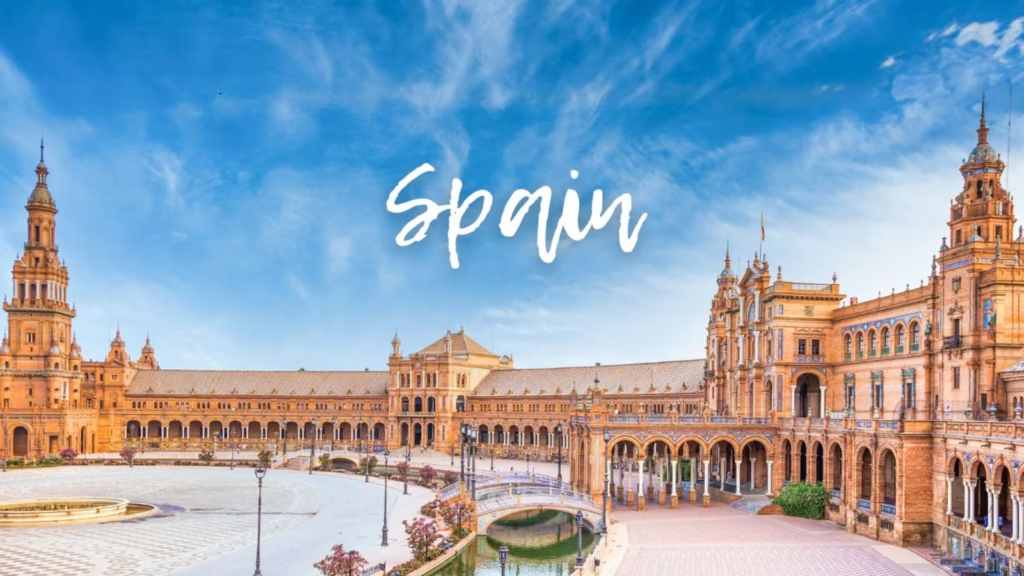
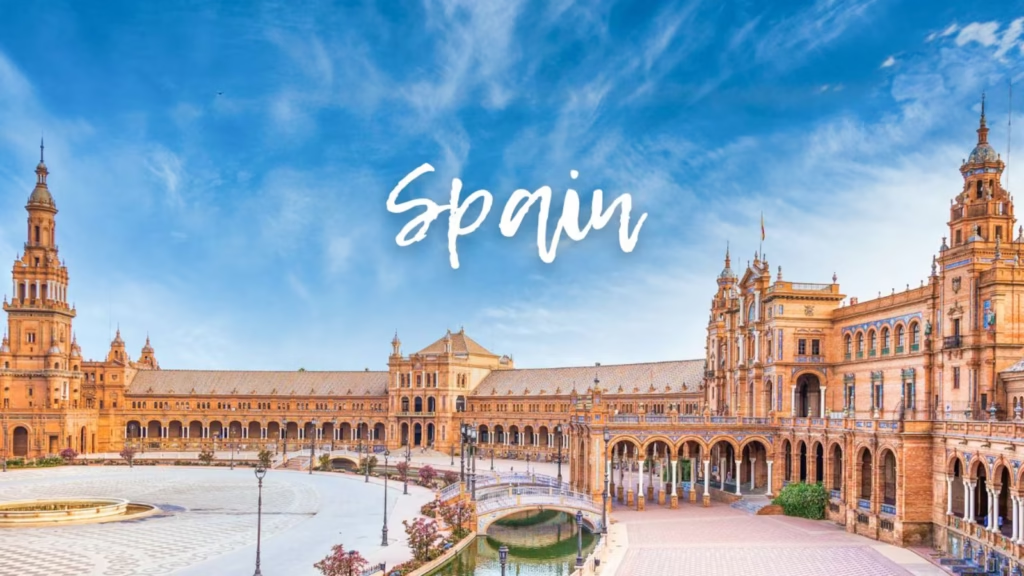
Madrid was designated as the World Capital of Cultures, the Seville Expo, Barcelona host of the ’92 Olympic Games, and Zaragoza together with Valencia named Olympic sub-hosts, etc.
Such an extensive program of sporting and cultural events with worldwide participation, whose stays and activities anticipated a large influx of both domestic and foreign visitors… were more than enough motivation for national and international investor groups to set their sights on Spain… motivated not only by the facilities for obtaining licenses for new hotel, venue, and tourism industry business projects on the occasion of such events… but also with a view to an attractive yet uncertain future of qualitative and MICE tourism (corporate, congresses, incentives, meetings, seminars).
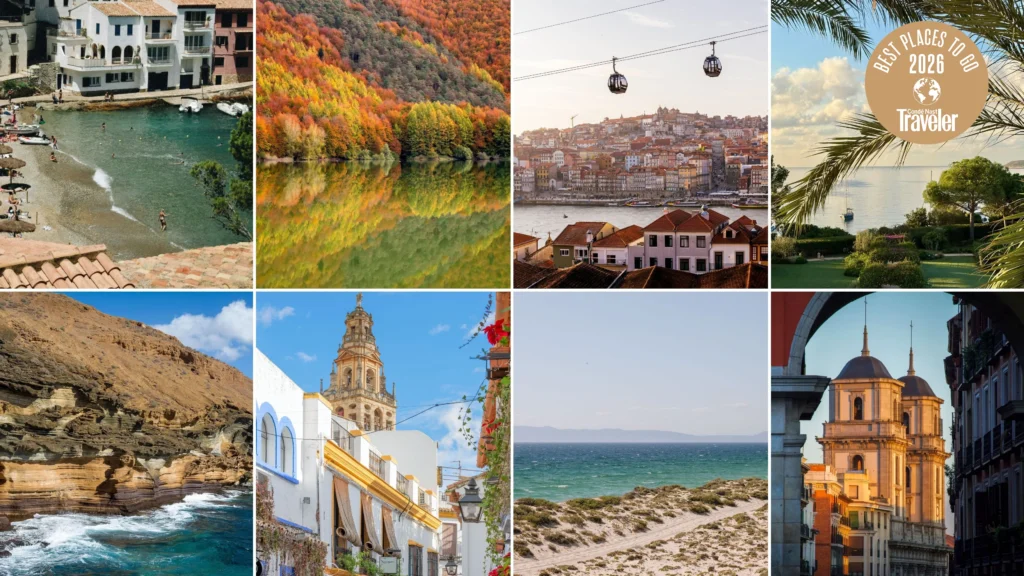
Years of promotion of the country began, driven by central and regional governments, which together with tourism business companies invested significant capital in promoting and capturing new markets.
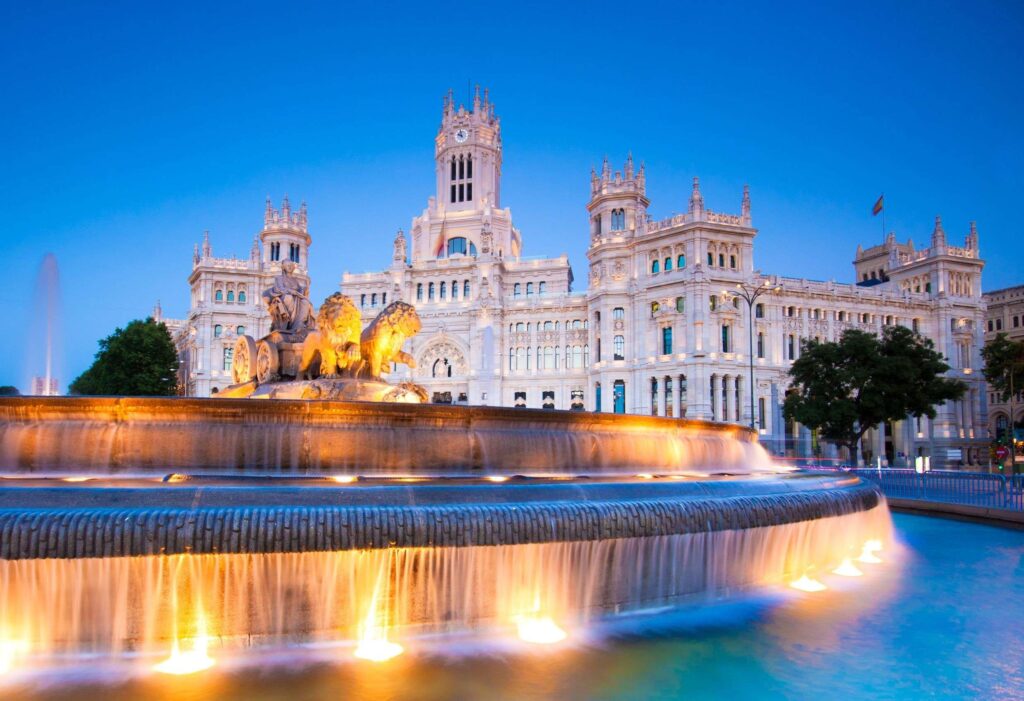
In the hospitality sector, private capital and national and international hotel chains began major investments by acquiring properties and/or starting the construction of new Hotels, Congress Palaces, venues… Expansions were made to trade fair grounds, symbolic buildings were adapted for leisure tourism use in the different cities… the greatest exponent was the expansion of IFEMA in Madrid in ’86, and the active start in obtaining licenses, purchasing land for the construction of large new-build hotels in the different Spanish cities, whose original designs were already conceived with a view to the demands of their future use and operation, equipping them with multiple large multifunctional halls fitted with spaces and services that, with their characteristics, would allow a modern, varied, broad, and extensive offering to be placed on the tourism market, providing most of Spain’s major cities with hotel structures and venues capable of competing with Europe’s most demanding markets.
The constant commercial activities in the form of trips and tourism promotions by the interested cities took shape in the tourism offices and the “Convention Bureaus” that were born as entities representing each City with the purpose of bringing together the offers of their partners in the tourism business world of the sector, such as hotels, travel agencies, restaurants, Congress Palaces, venues, retailers, transport operators, etc. Aggregating in the promotions the representation of all of them, for the joint presentation of offers to the candidacies of congress and large event organizers on behalf of each of their represented cities, with the purpose of promoting and attracting MICE tourism, attending the most important world and European tourism fairs and offering their affiliates the possibility of sharing spaces at affordable prices in a joint stand.
Given such an extensive Spanish supply of hotel rooms, services, and tourism venues, the uncertainty that arises before the “new” future full of hope makes us assess the “threats” posed by local, national, and international competitors with equally excellent offers of accommodation and long-established products and services… which lead us to a deep reflection on our strengths and weaknesses… compared to the years prior to the ’92 Olympics, having experienced since 1986 a growth of more than 200% in hotel rooms, as was the case in Barcelona and its surroundings, where more than 116,000 beds were offered for the Olympics, only in 3-4 and 5-star hotels… giving rise to the question about the real possibilities of success in occupancy after 1992. The action plans in response to these questions were decisive so that both hotel chains and each of the hotels created their own Marketing, Commercial, and Sales departments, whose teams traveled around the world in search of new MICE markets and potential clients, OPCs, event organizers, and large corporations.
José Aleixandre Caballero
Technical Director Consultant of Tourism Companies and Activities

M.Z.I. Dalton Zahir | editor +351938707061