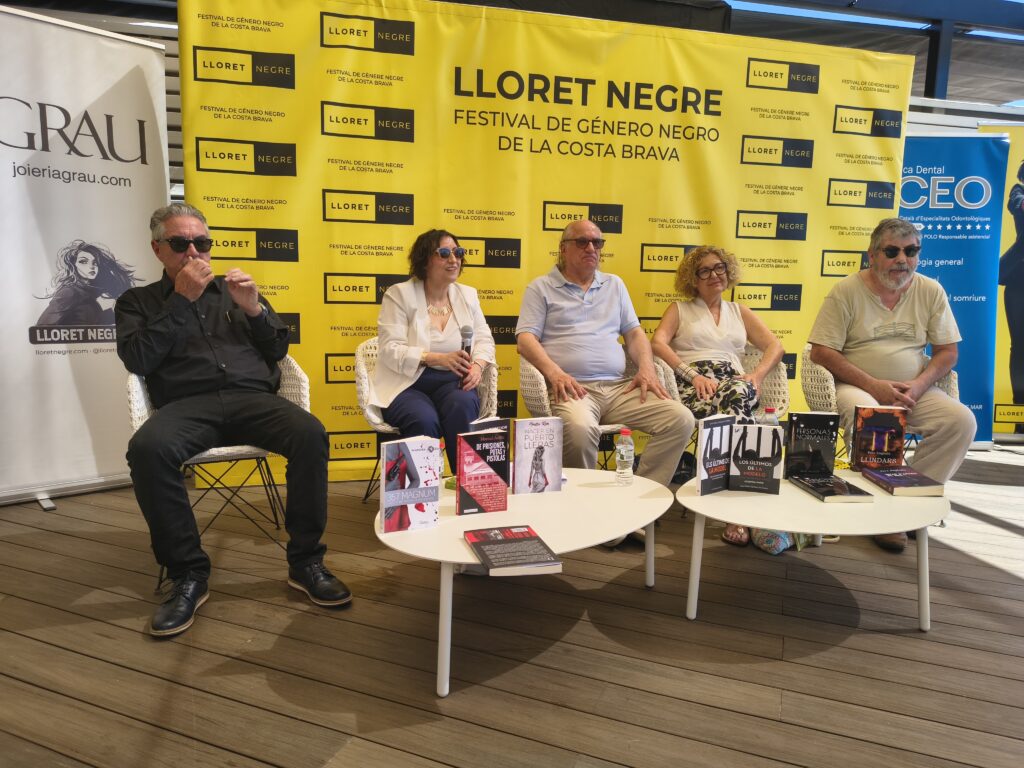
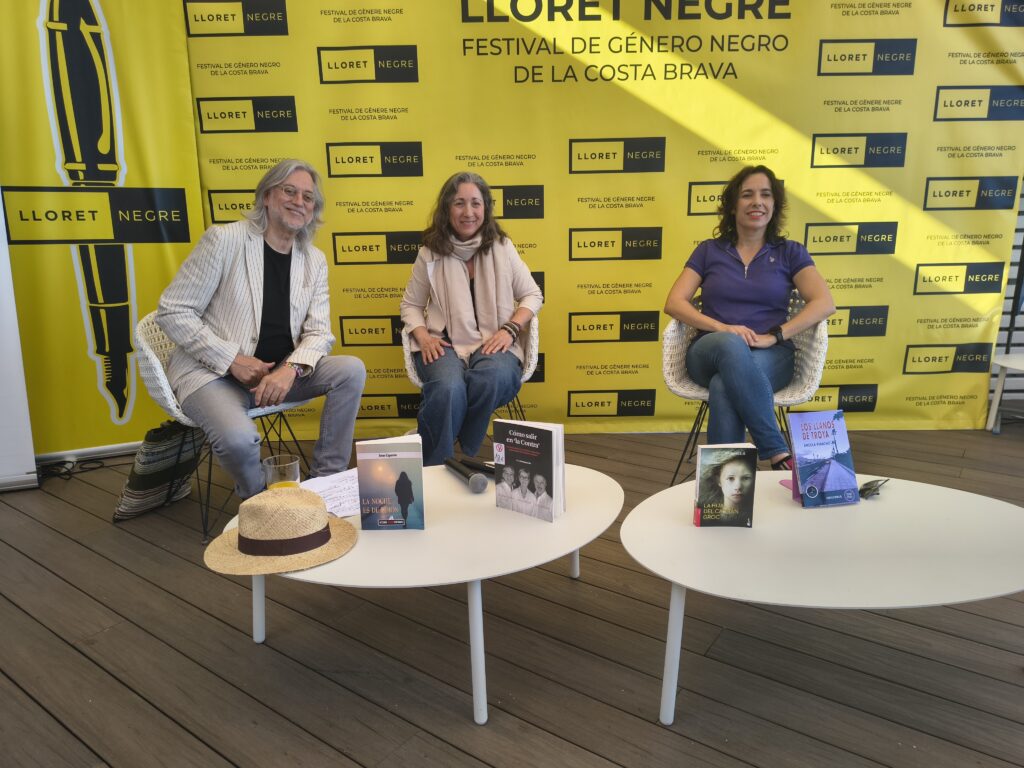
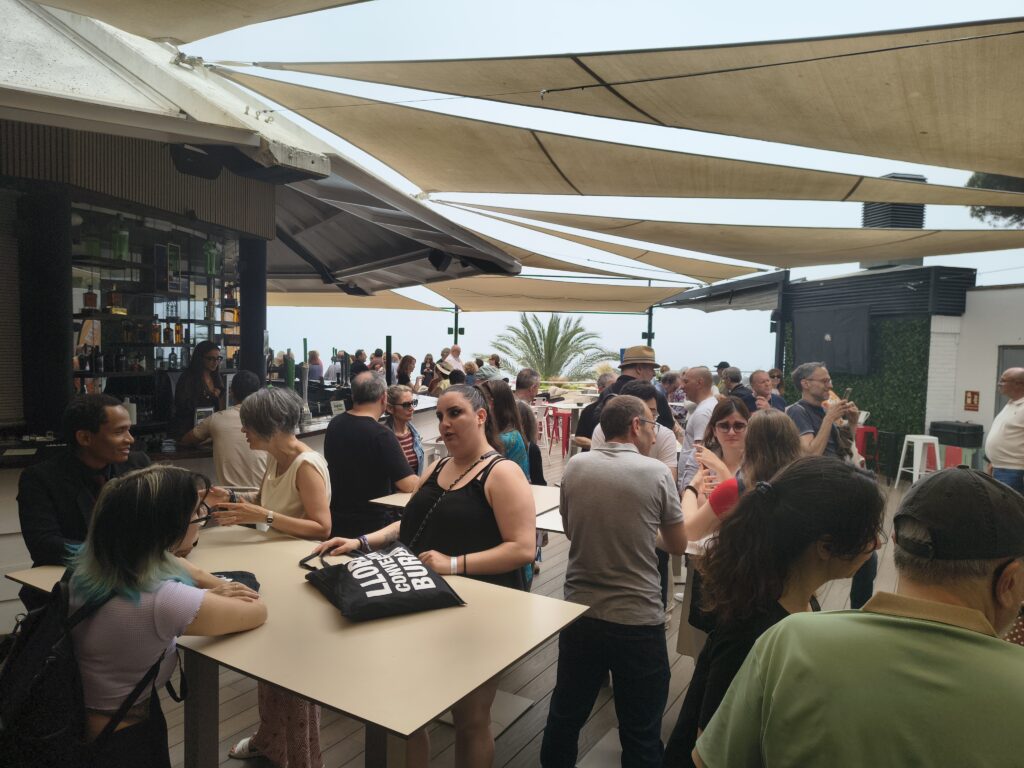
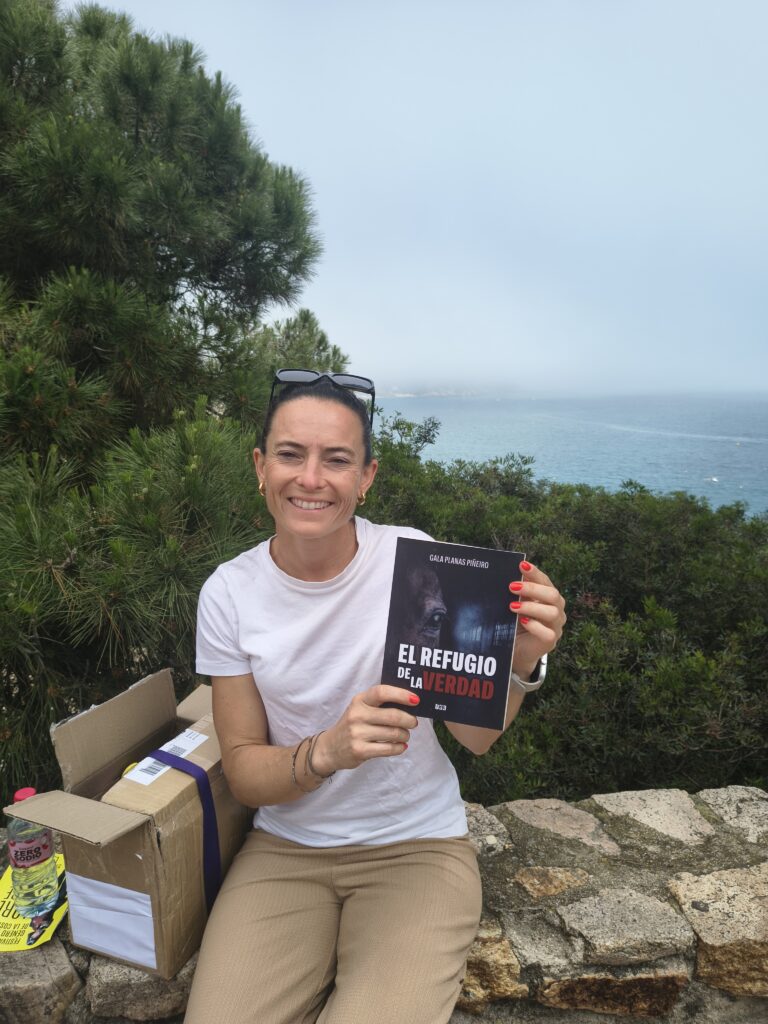
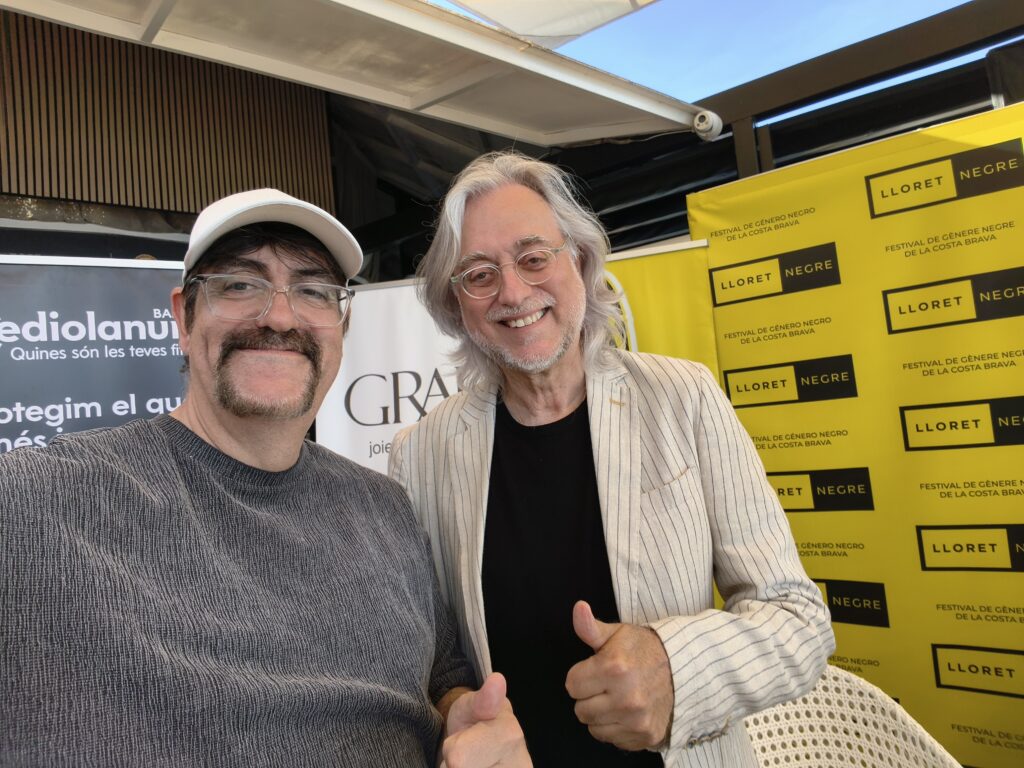
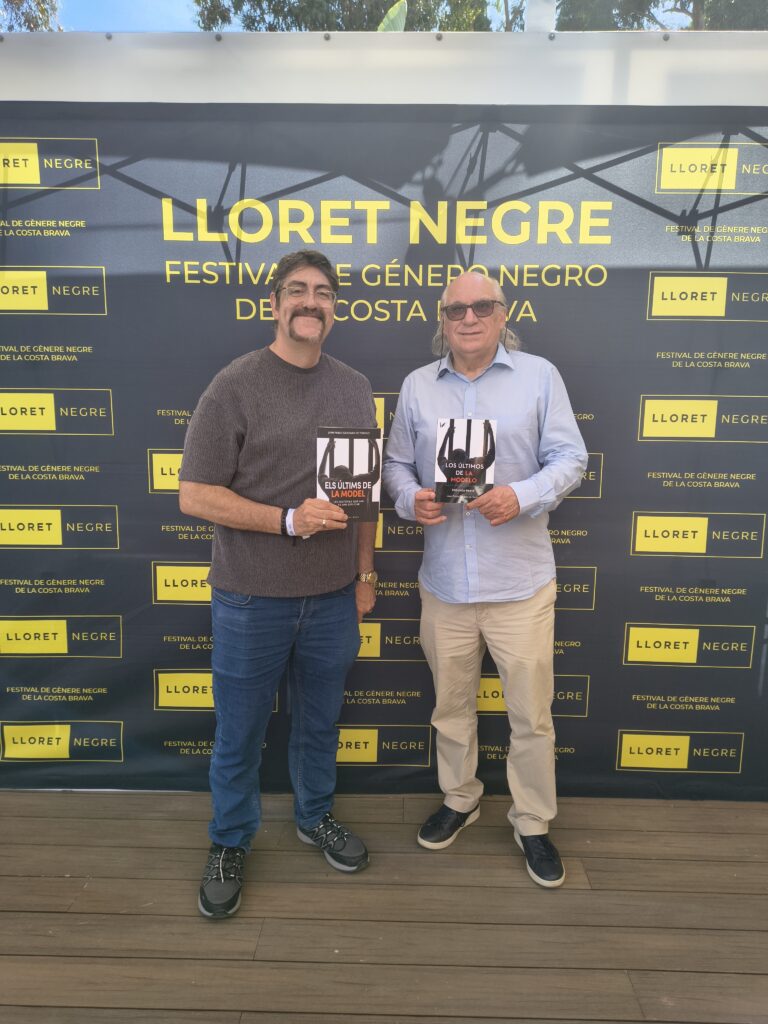
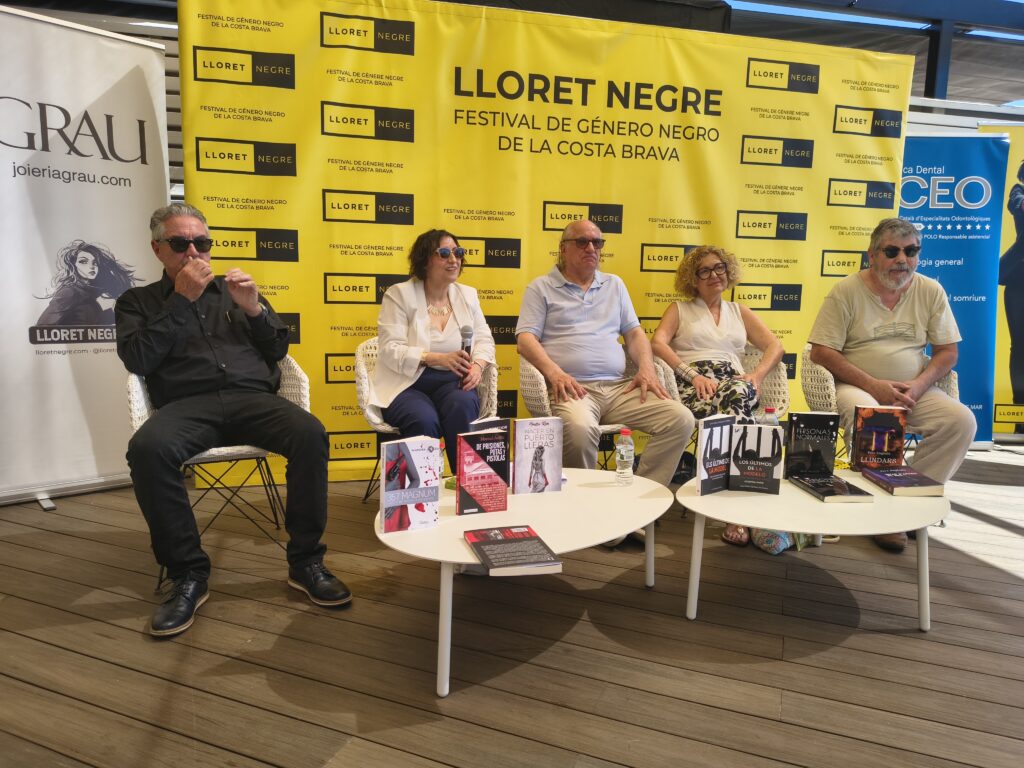
Tony Avilés From Barcelona : festivals are born just to fill calendars. Others appear to remind us that culture can still be an act of resistance. Lloret Negre undoubtedly belongs to this second category.
While public discourse degrades amidst instant slogans, empty headlines, and disposable controversies, more than seventy writers, journalists, musicians, and creators are descending upon Lloret de Mar this weekend to champion something far more uncomfortable and, for that very reason, more necessary: critical thinking.
It is no coincidence that the noir genre is experiencing one of its most vital moments. Noir has always been society’s least complacent mirror. Where other genres entertain, this one interrogates. Where some apply makeup, the noir genre reveals. Corruption, power, ambition, manipulation, violence, fear… literary crime is, at its core, a sophisticated moral autopsy of our time.
This is why it is especially significant that names such as Marta Robles, Víctor Amela, Carmen Posadas, or Vanessa Montfort are converging at a festival that has ceased to be a simple literary gathering to become a cultural phenomenon with an identity of its own. Because Lloret Negre does not just convene authors; it convenes perspectives.
In a Spain where too many cultural events are limited to repeating bureaucratic, subsidized formulas and predictable speeches, the festival directed by Angelique Pfitzner and her magnific team has achieved something much more difficult: building a community. A conversation. An emotional territory where readers and creators still meet face-to-face, without algorithms in the way. And that has enormous value.
It is revealing that, in the midst of the hyper-connectivity era, what is most attractive is precisely the physical experience of listening, debating, and sharing stories. Perhaps because human beings still need stories to understand chaos. Perhaps because we keep looking, in noir novels, for answers that politics no longer offers.
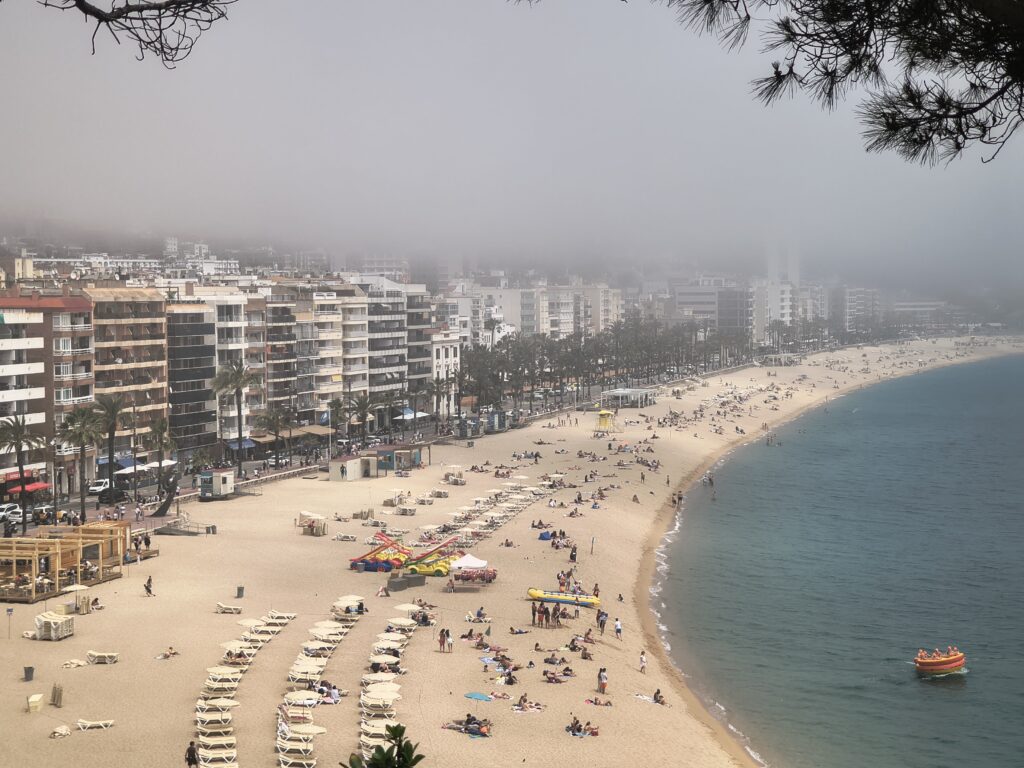
Lloret de Mar—too often reduced to an easy tourist cliché—thus finds a powerful opportunity to redefine its public narrative. For a few days, the town ceases to be merely a vacation destination and becomes the Mediterranean capital of literary crime, cultural reflection, and narrative intelligence. And it is worth emphasizing: that is no small feat.
In times of structural frivolity, gathering more than seventy voices around books constitutes almost an act of counter-culture. Perhaps that is why Lloret Negre is growing. Because it understands something essential: the public is not tired of culture; it is tired of empty culture.
And the noir genre—when well-written—is never empty. It is a way of looking at power. Of questioning appearances. Of being suspicious of official versions. Exactly what every democratic society needs to preserve.
This weekend, amidst roundtables, presentations, and literary conversations, Lloret Negre will demonstrate once again that culture remains one of the last places where it is still possible to think with freedom.
Lloret Negre 2026: Featured Activities
Friday, May 22
Official opening of the festival
Literary discussion panels
”The Art of Storytelling” encounter
”When Life Writes the Story” conversation
Book presentations
Book signings
Saturday, May 23
Café Noir sessions
Cross-interrogations between authors
”Código 60″ live podcast
Talks on crime and espionage
Noir-themed gastronomy
Live music
Encounters between readers and writers
Sunday, May 24
”The Criminal Mind” lecture
Psychological secrets of crime and investigation
Closing panels
Final conversations with guest authors
Festival closing activities
Festival Venues
Casal de l’Obrera
Restaurant Atics tents, with views of the Mediterranean