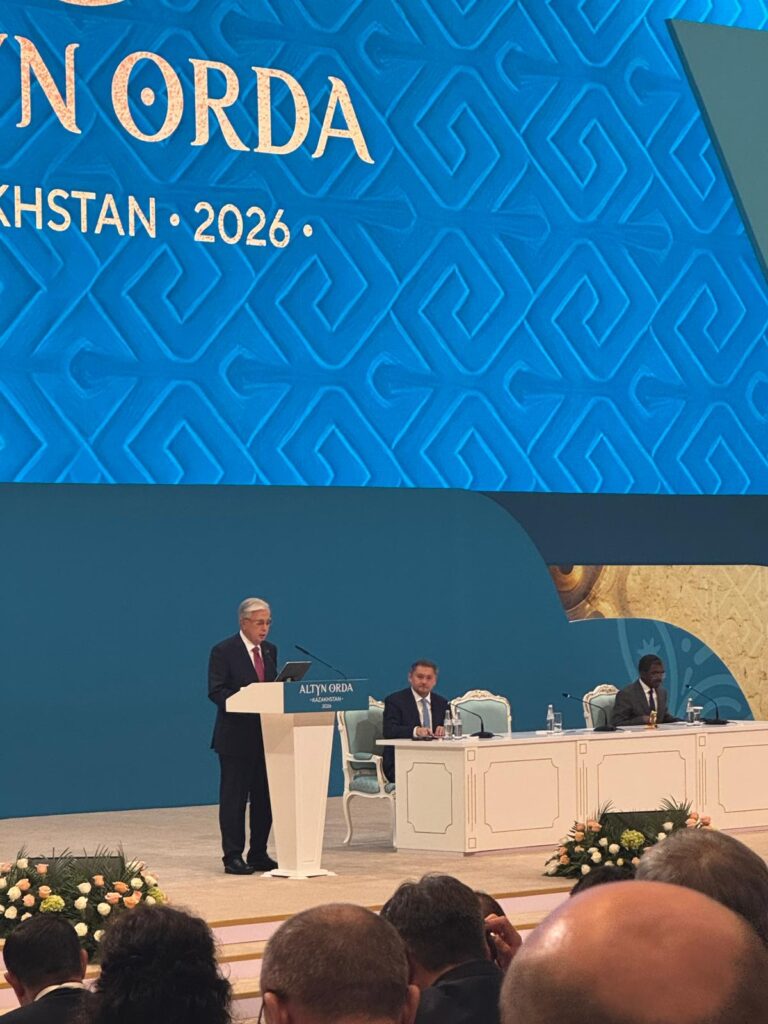
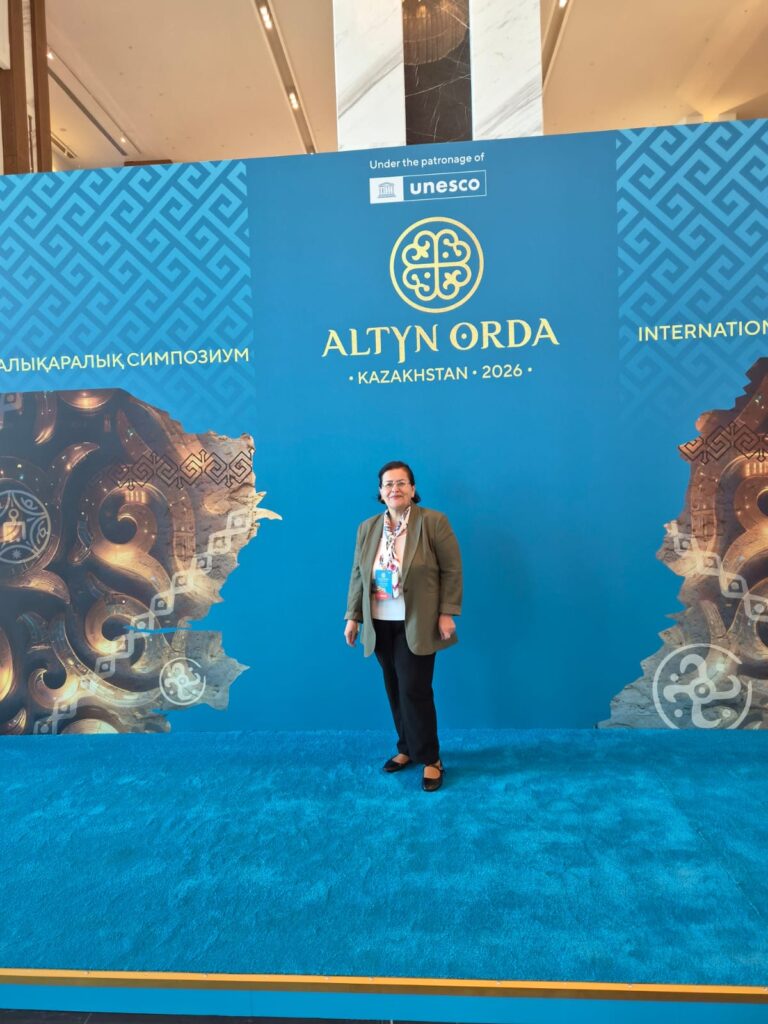
Tarana Maharramova : An international symposium dedicated to the “Golden Horde” (Altın Orda) has officially started in Astana, the capital of Kazakhstan, on May 18–21, 2026.
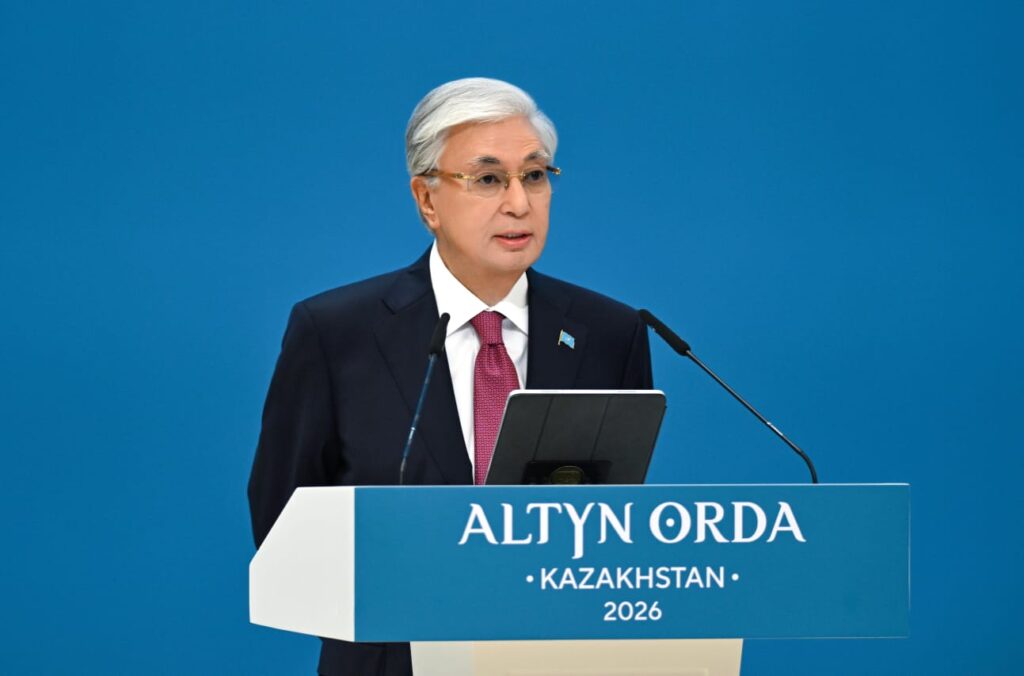
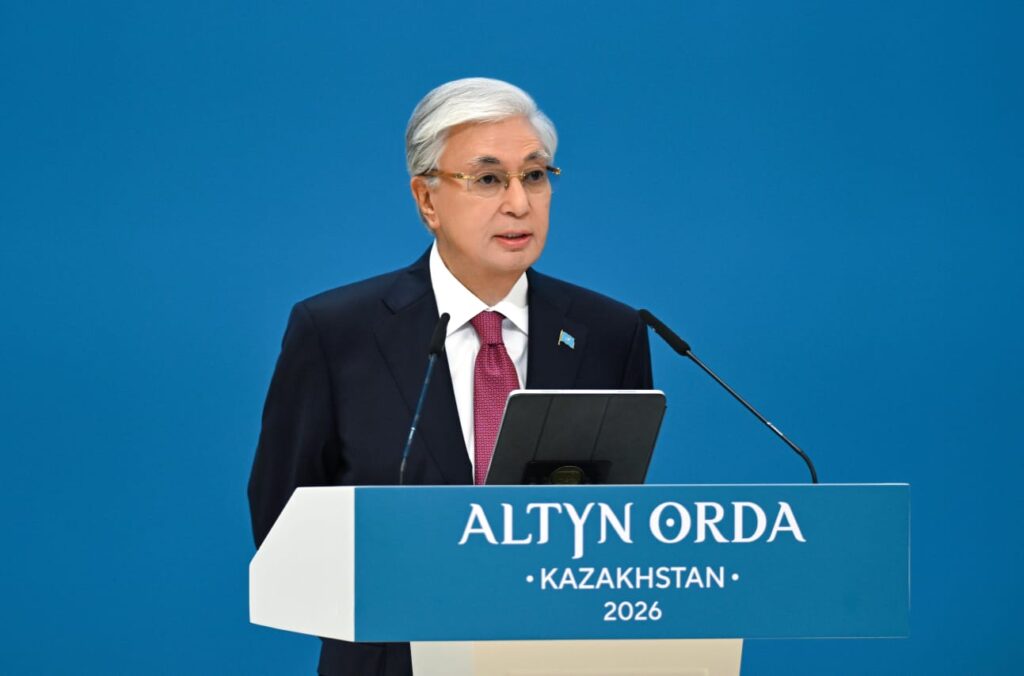
Speaking at the opening ceremony, President of Kazakhstan Kassym-Jomart Tokayev stated that the legacy of the Golden Horde (Ulus of Jochi) is an integral part of the historical, cultural, and political landscape of the entire Eurasian region. He emphasized that a global approach to this heritage should be developed, and that the perception of the Golden Horde in the international arena should be closely associated with Kazakhstan. Tokayev also noted that systematic work is being carried out in this direction: “Research on the Golden Horde heritage has already gone beyond the framework of a single country and now involves many nations.” Director of the UNESCO World Heritage Centre, Lazare Eloundou Assomo, also addressed the event. He подчеркнул that UNESCO will continue to support the preservation, research, and international promotion of the Golden Horde heritage.
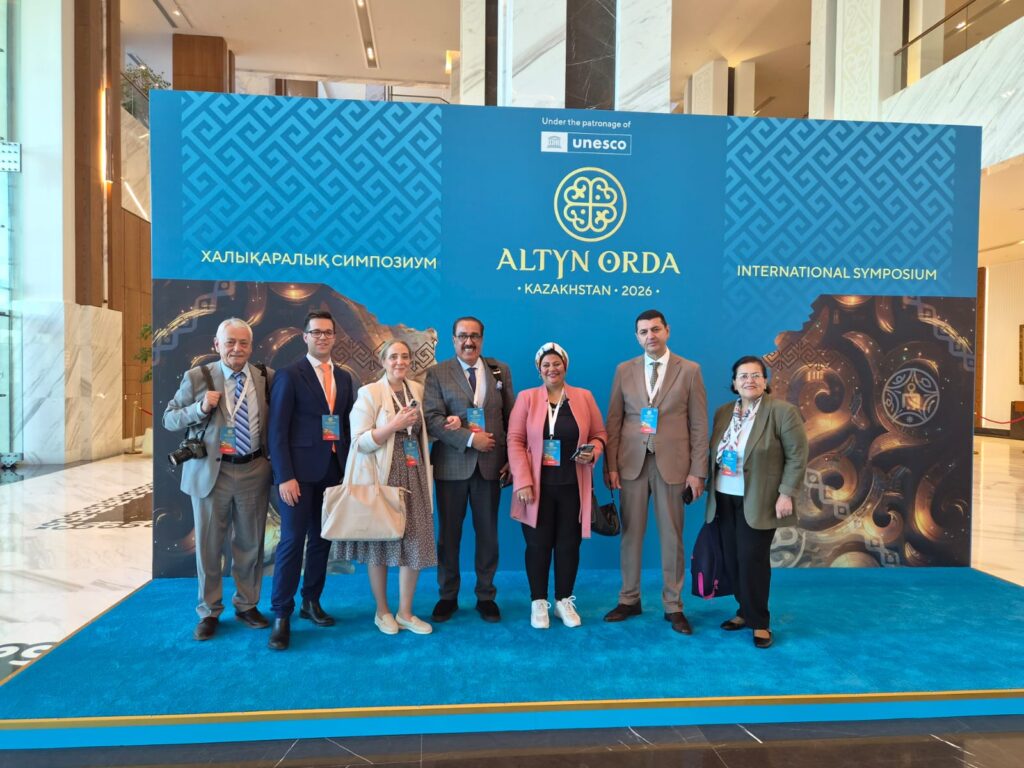
It should be noted that more than 300 scholars, historians, and researchers from over 20 countries are participating in the symposium.
During the event, various panel discussions will be held focusing on the history, archaeology, culture, and identity of the Golden Horde.
Astana hosts exhibition dedicated to the Golden Horde heritage
On May 19, an international symposium titled “The Golden Horde as a Model of Steppe Civilization: History, Archaeology, Culture and Identity” opened in Astana with the participation of the President of Kazakhstan, Kassym-Jomart Tokayev.
The forum, held on May 19–20 under the auspices of UNESCO, has brought together leading scholars, experts and representatives of the international academic community from various countries. The symposium aims to position Kazakhstan as a leading international center for the study of the Golden Horde heritage and to promote comprehensive research into the historical role of the Ulus of Jochi in shaping civilizational processes across Central Eurasia.
As part of the event, a thematic exhibition dedicated to the Golden Horde as a model of steppe civilization has been presented. The exhibition features archaeological finds, written sources and cultural artifacts, covering key themes such as governance and statehood, military affairs, culture, and the interaction between steppe and urban civilizations.
A special highlight is an interactive map showcasing 70 historical and archaeological sites, 17 of which are presented with detailed descriptions, aerial imagery and 3D visualizations. Among the central exhibits is the handwritten scroll “Shezhire of Khans,” containing genealogical records of rulers and historical figures. The exhibition also includes the Catalan Atlas, genealogical trees, coins, diplomatic correspondence and other rare artifacts. The exposition is based on materials from major archaeological sites in Kazakhstan, including the ancient cities of Saraishyk, Syganak and Barshynkent.